
What Is Comprehensive Auto Insurance and Do You Need It?
Comprehensive auto insurance protects your vehicle from non-collision damage like theft, hail, and animal strikes. Learn how this coverage works and if it’s a smart financial choice for you.

By Freya Collins
You have collision coverage for accidents and liability for injuries, but what protects your car from a falling tree branch, a hailstorm, or a break-in? This is where comprehensive auto insurance comes into play. Often misunderstood as “full coverage,” comprehensive is a specific, crucial component of a robust auto insurance policy that covers damages not caused by a collision with another vehicle. Understanding its scope, limitations, and value is key to making informed decisions about your financial protection on the road.
Defining Comprehensive Auto Insurance Coverage
Comprehensive auto insurance, sometimes called “other than collision” coverage, is designed to repair or replace your vehicle when it is damaged by events largely outside of your control. Unlike collision insurance, which covers impacts with another car or object, comprehensive handles a wide array of unpredictable perils. It is a first-party coverage, meaning it pays for damage to your own vehicle, subject to your chosen deductible. The core purpose is to shield you from significant financial loss stemming from incidents that are often unavoidable and unrelated to your driving skill. For new drivers building their first policy, understanding the distinction between comprehensive, collision, and liability is a fundamental step, as detailed in our guide to smart coverage for new drivers.
What Does Comprehensive Insurance Actually Cover?
The list of covered events under a comprehensive policy is broad, focusing on acts of nature, vandalism, and theft. It is vital to review your specific policy language, as minor variations exist between insurers. Generally, you can expect coverage for the following categories of incidents.
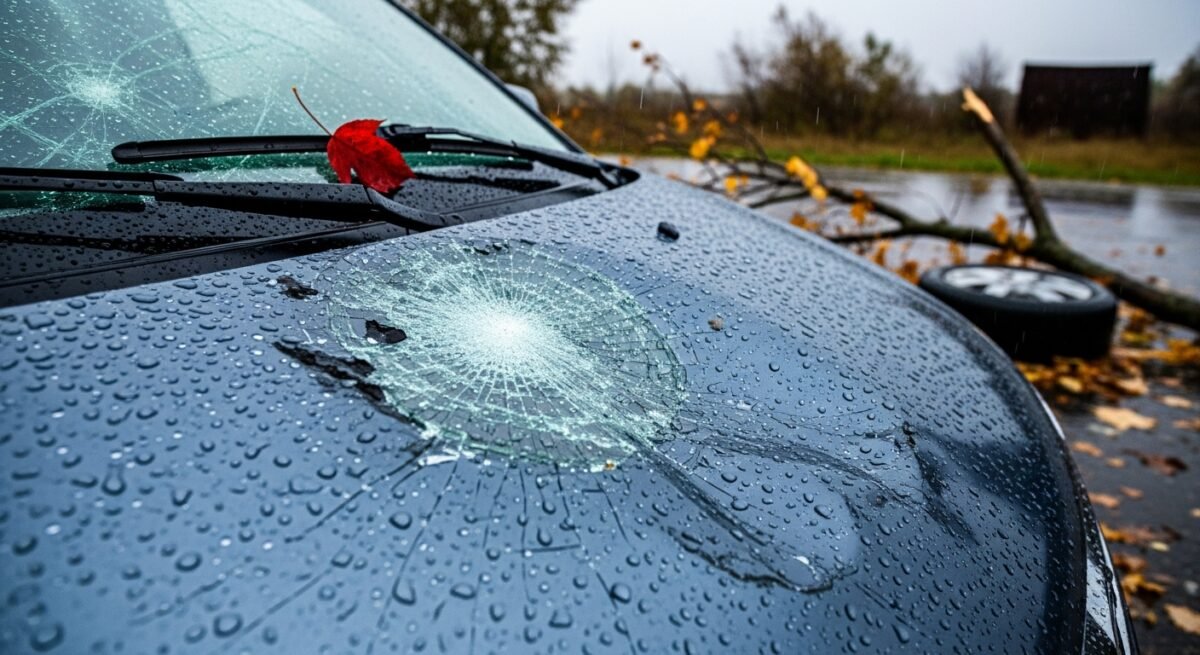
Natural disasters and weather events form a major part of comprehensive claims. This includes damage from hail, which can dent every panel on a car, floods that can total an engine, hurricanes, tornadoes, earthquakes, and wildfires. Falling objects are another common cause, such as a tree or large branch collapsing onto your parked car during a storm, or debris falling from an overpass.
Theft and vandalism are also central to comprehensive coverage. If your car is stolen and not recovered, comprehensive insurance will typically pay you the vehicle’s actual cash value (minus your deductible). If it is recovered but damaged, comprehensive covers the repair costs. Vandalism, including keyed paint, smashed windows, or slashed tires, is also covered under this portion of your policy.
Other miscellaneous but important perils include contact with animals. Striking a deer, elk, or other large animal is one of the most frequent comprehensive claims. It also covers damage from riots or civil commotions, and explosions. Notably, it does not cover mechanical breakdowns or wear and tear, which are considered maintenance issues.
The Critical Role of Deductibles and Actual Cash Value
Two concepts are paramount when evaluating a comprehensive claim payout: the deductible and actual cash value. Your deductible is the amount you agree to pay out-of-pocket before your insurance coverage kicks in. Comprehensive deductibles are often chosen separately from collision deductibles and typically range from $100 to $1,000 or more. Selecting a higher deductible lowers your premium (the cost of the policy) but increases your financial responsibility if you file a claim.
Actual Cash Value (ACV) is the method used to determine what your vehicle was worth at the moment before it was damaged or stolen. It is not the replacement cost for a new car, nor is it the amount you originally paid. ACV factors in the vehicle’s make, model, year, mileage, condition, and depreciation. In the event of a total loss, the insurer will pay the ACV minus your deductible. This is why understanding your car’s current market value is essential when deciding whether to carry comprehensive coverage on older vehicles.
Comprehensive vs. Collision: Knowing the Difference
Confusion between comprehensive and collision coverage is common. A simple way to distinguish them is by the cause of damage. Collision insurance applies when your vehicle is in motion and hits, or is hit by, another vehicle or object (like a guardrail, tree, or pothole). It covers the repair of your car regardless of who is at fault in the accident.
Comprehensive, again, is for “other than collision” events that typically occur while the vehicle is parked or during non-collision incidents on the road (like an animal strike). If you drive into a flooded road and hydrolock your engine, that’s comprehensive. If you skid on ice and hit a tree, that’s collision. Some scenarios can be ambiguous, which is why having both coverages provides the most complete protection for your own vehicle. For a deeper dive into how these coverages fit into a complete policy, especially for residents of specific states, our complete guide to Pennsylvania coverage offers a detailed breakdown.
When Is Comprehensive Coverage Required or Recommended?
Comprehensive insurance is not mandated by state law, unlike liability coverage. However, it is almost always required by lenders and leasing companies if you have a car loan or lease. The financial institution has a vested interest in the vehicle’s value and will require you to carry both comprehensive and collision coverage, often with maximum deductible limits, until the loan is paid off.
For vehicle owners who have paid off their loans, the decision becomes financial and personal. Consider carrying comprehensive coverage if:
- Your vehicle is relatively new or has a high market value.
- You could not easily afford a major repair or replacement out-of-pocket.
- You live in an area prone to specific risks like hail, flooding, wildfires, or high rates of theft and vandalism.
- The annual premium cost is low relative to the vehicle’s value.
You might consider dropping comprehensive coverage if your car’s value is low, typically when the annual premium plus your deductible approaches 10% or more of the car’s ACV. On an older car worth $3,000, paying $400 a year for comprehensive with a $1,000 deductible may not be a cost-effective financial decision.
Filing a Comprehensive Auto Insurance Claim
The process for filing a comprehensive claim is generally straightforward but requires prompt action. First, ensure safety and document the scene. If your car was vandalized or stolen, file a police report immediately, as you will need the report number for your insurance claim. Take clear, wide-angle and close-up photos of all damage from multiple angles. Contact your insurance provider or agent as soon as possible to initiate the claim. They will assign an adjuster to assess the damage. You will pay your deductible to the repair shop when the work is completed, and your insurer will pay the remainder directly to the shop. In a total loss scenario, the insurer will calculate the ACV, subtract your deductible, and issue you a settlement check. For a step-by-step roadmap through the claims process and other insurance complexities, new drivers can benefit from navigating the complete roadmap for new drivers.
Frequently Asked Questions
Does comprehensive insurance cover a cracked windshield? Yes, windshield repair or replacement is almost always covered under comprehensive insurance. Many companies even offer zero-deductible glass coverage, meaning you pay nothing out-of-pocket for a windshield repair.
Will a comprehensive claim raise my rates? It can, but typically not as severely as an at-fault collision claim. Since comprehensive claims are for events largely outside your control, insurers may view them less negatively. However, multiple comprehensive claims in a short period can still lead to increased premiums or non-renewal.
Is hitting an animal always comprehensive? Generally, yes. Colliding with an animal like a deer, dog, or bird is covered under comprehensive. The exception might be if you swerve to avoid an animal and hit another object (like a tree), which would then fall under collision coverage.
Does comprehensive cover personal items stolen from my car? No. Comprehensive auto insurance covers damage to the vehicle itself and its permanently installed components. Personal belongings like laptops, bags, or sports equipment stolen from your car are typically covered under your homeowners or renters insurance policy.
Can I get comprehensive coverage by itself? Almost never. Comprehensive coverage is sold as part of a package policy that includes the state-required liability insurance. You cannot purchase comprehensive without at least having the minimum liability coverage on your policy.
For more detailed comparisons and to explore personalized quotes for comprehensive auto insurance.
Ultimately, comprehensive auto insurance is a strategic tool for risk management. It provides peace of mind against the wide array of unpredictable events that can damage or destroy your vehicle. By carefully assessing your vehicle’s value, your financial capacity, and your local risk factors, you can make a reasoned decision on whether this coverage is a necessary part of your financial safety net. Regularly reviewing your policy with your agent ensures your coverage levels and deductibles continue to align with your needs as your vehicle ages and your circumstances change.