
What Factors Affect Auto Insurance Premiums?
See the biggest factors that affect auto insurance premiums, from driving record to credit and coverage choices, and learn how to cut your rate by hundreds.

By Emma Bennett
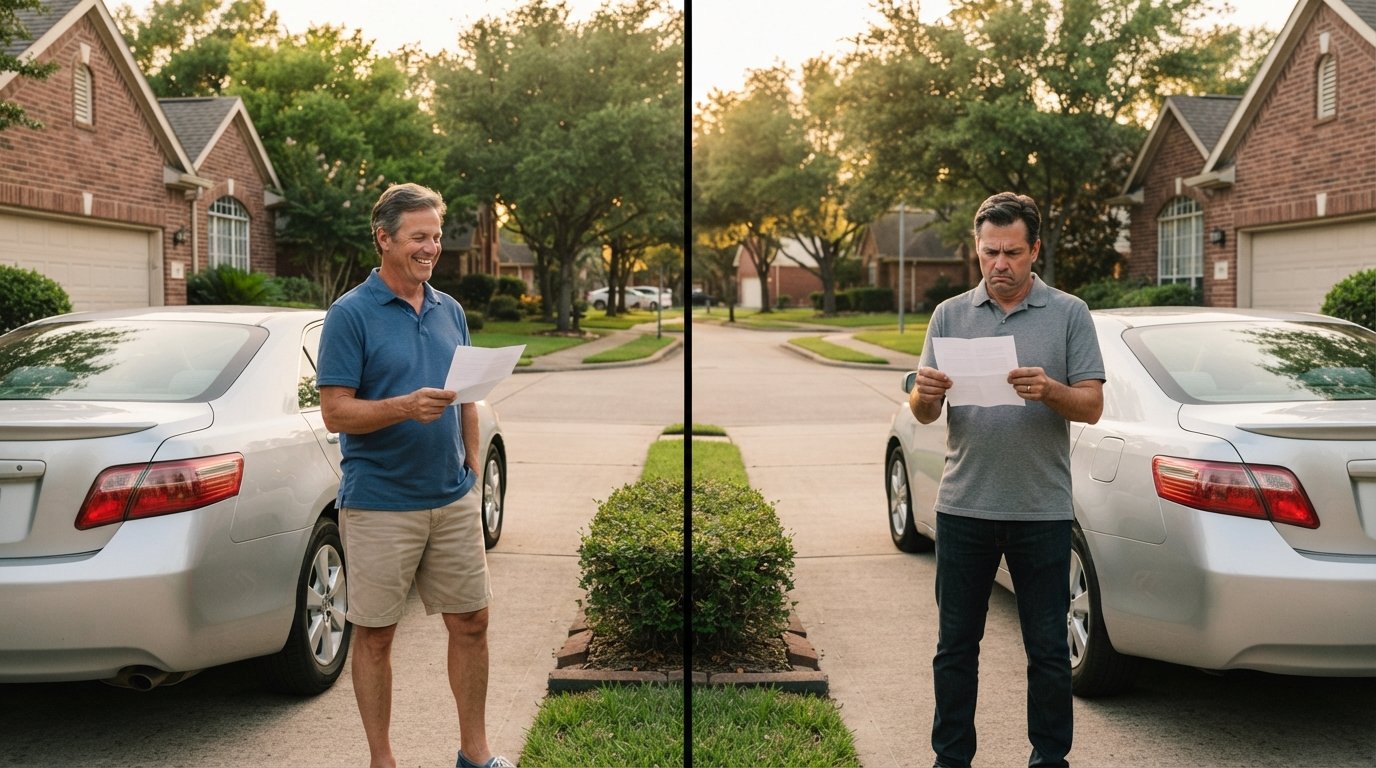
Two drivers living on the same street, driving similar sedans, and holding clean records can still pay wildly different rates for identical coverage. One might pay $95 a month while the neighbor pays $240. That gap is not random, and it is not a punishment. Auto insurance pricing is a math problem, and every driver brings a unique set of numbers to it. Understanding the factors that affect auto insurance premiums turns a confusing bill into something you can actually influence. Whether you are shopping for a first policy, adding a teenage driver, or wondering why your rate jumped after a move, knowing what insurers measure, and why, gives you real leverage.
This guide breaks down every major variable that shapes your premium, from the personal details you cannot change to the discounts you absolutely can. Along the way, you will see how insurers weigh risk, which factors carry the most weight, and where a few smart moves can shave hundreds of dollars off your annual cost.
How Insurers Calculate Risk Before Setting a Rate
Every auto insurance premium starts with a single question: how likely is this driver to file a claim, and how expensive would that claim be? Insurers answer that question using actuarial data, which is essentially decades of crash statistics, theft reports, weather patterns, and repair cost records compressed into pricing models. Your personal profile is then compared against those models, and the result lands somewhere on a risk spectrum from low to high. The higher your position on that spectrum, the more you pay.
What surprises many drivers is that insurers are not just pricing your driving. They are pricing the probability that you, as a statistical profile, will cost them money. That is why a 19-year-old with a perfect record often pays more than a 45-year-old with one minor ticket. The data says young drivers crash more often, and the model trusts the data more than it trusts any individual story. This is also why rates shift when you move, change jobs, or add a vehicle, even if nothing about your driving changed at all.
Insurance is regulated at the state level, so the exact list of approved rating factors varies depending on where you live. Some states prohibit the use of credit scores, gender, or occupation in pricing. Others allow all three. That means two drivers with identical profiles can receive very different quotes simply because they live in different states. Before you compare quotes, it helps to know which factors your state permits insurers to use.
The Personal Factors You Cannot Easily Change
Some of the biggest levers in your premium are baked into who you are. These factors are difficult or impossible to change, but understanding them explains a lot about your rate and helps you set realistic expectations when shopping.
Age and driving experience. Teenagers and drivers under 25 consistently pay the highest premiums because they have the least behind-the-wheel experience and the highest crash rates per mile driven. Rates typically begin dropping around age 25 and reach their lowest point for drivers in their 40s and 50s. Senior drivers may see rates creep back up after 70 as reaction times and vision change, though the increase is usually far smaller than the teen surcharge.
Location and garaging address. Where your car sleeps at night matters enormously. Urban areas with dense traffic, high theft rates, and expensive repair labor cost more to insure than rural areas. Even within a single city, moving a few ZIP codes can change your rate by hundreds of dollars a year. States with high litigation rates and generous injury payouts, such as Florida and Michigan, tend to have higher average premiums across the board.
Gender. In most states, men pay slightly more than women, particularly in their teens, 20s, and early 30s, because statistics show higher rates of severe crashes and moving violations among male drivers in those age brackets. A handful of states, including California, Hawaii, Massachusetts, Montana, and Pennsylvania, do not allow gender to be used in pricing at all.
Marital status. Married drivers statistically file fewer claims than single drivers, so most insurers offer a modest discount to married policyholders. Getting married can lower your premium, and adding a spouse to your policy often reduces the household rate even further.
Driving Record, Claims History, and Credit
If personal factors are the foundation of your premium, your behavior behind the wheel is the frame on top of it. Insurers look hard at how you have actually driven, and they price accordingly.
Your motor vehicle report is one of the most heavily weighted rating factors. A single at-fault accident can raise your premium by 20 to 50 percent, and a DUI can double or even triple it. Speeding tickets, reckless driving convictions, and failure-to-yield violations all carry surcharges that typically follow you for three to five years. Some insurers offer accident forgiveness programs that absorb the first at-fault claim for loyal customers, which can be worth asking about.
Your claims history works alongside your driving record. Even not-at-fault claims can occasionally affect pricing, because filing frequent claims, regardless of fault, signals to insurers that you are a higher-maintenance policyholder. Comprehensive claims for things like hailstorms or theft are usually treated more gently than collision claims, but the pattern still matters.
Credit-based insurance scores are used in most states and can be one of the strongest predictors of future claims. Studies consistently show a correlation between lower credit scores and higher claim frequency. If you live in a state that allows credit scoring, improving your credit over time can meaningfully reduce your premium. Here is how the main behavioral factors typically stack up in impact:
- At-fault accident: surcharge of 20 to 50 percent for three to five years
- DUI conviction: surcharge of 50 to 100 percent or more, often requiring SR-22 filing
- Speeding ticket: surcharge of 10 to 25 percent for three years
- Poor credit score: premium increase of 50 to 100 percent in states that allow credit-based pricing
- Gap in coverage: surcharge of 10 to 20 percent for not maintaining continuous insurance
Notice how much weight a DUI or a lapse in coverage carries. Continuous insurance matters more than most drivers realize. Even a one-day gap can trigger a higher rate when you restart a policy, because insurers view uninsured drivers as significantly riskier. If you are switching carriers, time the new policy to start the same day the old one ends.
Vehicle Make, Model, and Safety Features
The car itself is a major pricing input, and not always in the way drivers expect. A brand-new luxury SUV may cost less to insure than a ten-year-old compact if the older car lacks modern safety technology. Insurers care about two things: how much a claim would cost and how likely the vehicle is to be stolen or involved in a serious crash.
Repair costs drive a large share of the calculation. Vehicles with expensive parts, complex electronics, or limited repair networks cost more to fix after a collision, so they cost more to insure. Electric vehicles illustrate this clearly: they often qualify for safety discounts but carry higher premiums because battery replacement and specialized labor are expensive. Sports cars and high-performance vehicles carry surcharges because they are statistically driven faster and crashed harder.
Safety and anti-theft features work in your favor. Automatic emergency braking, lane departure warning, adaptive headlights, and electronic stability control can all reduce your premium. So can a factory alarm, GPS tracking, and garage parking. When you request quotes, mention every safety feature your vehicle has, because these discounts are frequently left on the table simply because the driver never asked.
Coverage Choices You Control
Here is the good news: a large portion of your premium is determined by choices you make, not facts about who you are. Coverage selections are the most direct lever you have over your rate.
Liability limits are the foundation. Every state sets minimum liability requirements, but those minimums are often far too low to protect your assets in a serious accident. Raising your liability limits increases your premium, but usually by a modest amount relative to the protection gained. The real savings come from your deductibles.
A deductible is what you pay out of pocket before insurance covers a claim. Choosing a $1,000 deductible instead of $500 can cut your collision and comprehensive premium by 15 to 30 percent. The trade-off is simple: you accept more risk in exchange for a lower monthly bill. If you have an emergency fund that can absorb the higher deductible, this is often the single easiest way to lower your premium. Dropping optional coverages on older vehicles is another common strategy, though it should be weighed carefully against the vehicle's actual value.
Bundling is another powerful lever. Combining auto and home or renters coverage with one insurer typically saves 5 to 25 percent on both policies. If you rent, you may assume bundling is not available to you, but it is. In our guide on auto insurance for renters and homeowners, we explain how pairing a renters policy with your auto coverage can close gaps in protection while lowering your total premium.
Discounts, Usage, and Mileage
Discounts are where careful shoppers separate themselves from everyone else. Insurers offer dozens of them, and most drivers qualify for more than they claim. Common examples include:
- Multi-policy discount: bundling auto with home, renters, or life insurance
- Multi-vehicle discount: insuring two or more cars on one policy
- Good student discount: for full-time students with a B average or better
- Safe driver or telematics discount: for completing a monitored driving program
- Paid-in-full discount: for paying the full six-month or annual premium upfront
- New car discount: for vehicles with advanced safety technology or a recent purchase
Usage-based programs deserve special attention. Telematics apps and plug-in devices track your actual driving habits, including mileage, braking, cornering, and time of day. Safe, low-mileage drivers can save 10 to 30 percent, while aggressive drivers may see surcharges. If you work from home or drive fewer than 8,000 miles a year, a low-mileage or pay-per-mile policy could beat a traditional one by a wide margin.
Annual mileage is its own rating factor. The more time you spend on the road, the more exposure you have to accidents, so commuting 40 miles each way costs more to insure than driving five minutes to a local job. If your driving habits have changed, tell your insurer. A remote work arrangement that started last year could be quietly costing you money today.
Why Comparison Shopping Is Your Strongest Tool
No single insurer is cheapest for every driver. Each company weighs rating factors differently, which means the carrier that offers your neighbor a great rate may quote you something outrageous. The only reliable way to find your lowest premium is to compare multiple quotes side by side, using the same coverage limits and deductibles so the comparison is fair.
This is exactly where a comparison platform saves real time. Instead of filling out the same long form on a dozen carrier websites, you can enter your details once and let licensed agents bring competing quotes to you. Free auto insurance quotes online give you a clear, side-by-side view of what different carriers would charge for identical coverage, so you can pressure insurers against each other and avoid overpaying. There is no obligation to buy, and the whole process typically takes just a few minutes.
When you compare, focus on three things: the total annual premium, the coverage limits and deductibles, and the insurer's reputation for paying claims. A rock-bottom rate from a company that fights every claim is not a bargain. A slightly higher premium from a carrier with strong service ratings may be the better long-term deal.
Practical Steps to Lower Your Premium
Pulling everything together, here is a simple framework you can act on this week. Start by reviewing your current declarations page to see exactly what you are paying for and which discounts are already applied. Then work through the factors you can control:
- Raise your deductible to $1,000 if your emergency fund can handle it.
- Ask about every discount you might qualify for, including good student, low mileage, and paid-in-full.
- Bundle auto with home or renters coverage to unlock multi-policy savings.
- Improve your credit score if your state allows credit-based pricing.
- Compare quotes from at least three to five carriers before renewing.
Run through this list once a year, ideally a month before your policy renews, when you still have time to switch. Small adjustments compound: a higher deductible here, a bundled policy there, and a telematics discount on top can easily cut your annual premium by 20 to 40 percent without sacrificing meaningful protection.
Auto insurance does not have to be a black box. The factors that affect auto insurance premiums are finite, measurable, and in many cases negotiable. Know which ones you can change, shop your coverage regularly, and let competition work in your favor. A few hours of comparison today can save you hundreds of dollars every year you drive.