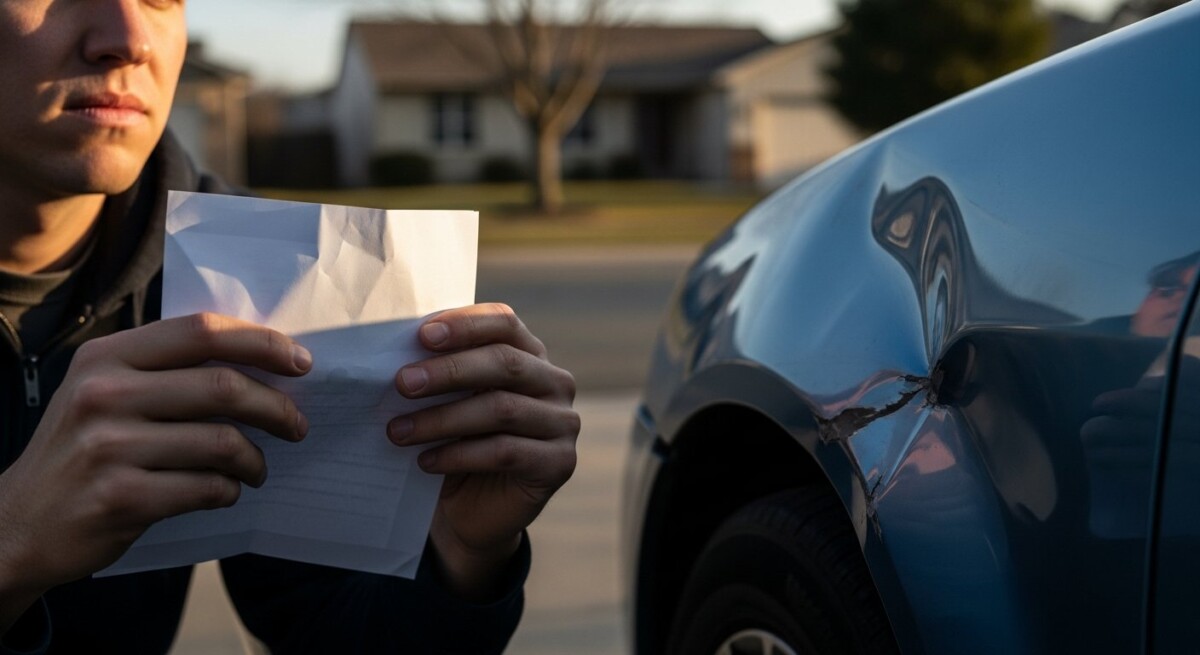
You’ve paid your premiums on time for years, trusting that your auto insurance will be there when you need it most. Then, after an accident, you receive a letter stating your claim has been denied. This moment is frustrating, confusing, and can leave you facing significant financial pressure. The short answer is yes, insurance companies can and do deny auto claims, but they must have a valid, contractual reason to do so. Understanding the common grounds for denial and your rights as a policyholder is the first step in protecting yourself, whether you’re dealing with a fender bender or a major collision. This knowledge is crucial not just for reacting to a denial, but for preventing one from happening in the first place.
Valid Reasons for Auto Insurance Claim Denial
Insurance is a legal contract bound by the terms outlined in your policy. A claim denial is not arbitrary, it is the insurer’s assertion that a condition of that contract was not met. The most frequent reasons for denial stem from policyholder actions or inactions that violate these agreed-upon terms. By far, the most common cause for a denied claim is a lapse in coverage due to non-payment. If your premium is overdue, your insurer typically sends cancellation notices before terminating the policy. Driving without active coverage is illegal in most states and leaves you fully liable for all damages. Another prevalent issue is misrepresentation on your application or during the claims process. This includes providing false information about who the primary drivers are, where the car is garaged, or the vehicle’s primary use. For instance, using a personal vehicle for commercial delivery without the proper endorsement is a material misrepresentation that can void coverage.
Exclusions written directly into your policy are another major category. Most standard policies exclude coverage for intentional damage, using your car for illegal activities, or racing. Furthermore, if you are found to be driving under the influence of drugs or alcohol at the time of the accident, the insurer will almost certainly deny the claim for liability and collision coverage, though they may still be required to pay for injuries to others depending on state law. Understanding your policy’s exclusions is as important as knowing its coverages. For a broader look at reliable providers, you can review our analysis of the best auto insurance companies you can trust in 2026 to see how top carriers structure their policies.
The Critical Role of Policy Provisions and Deadlines
Beyond clear-cut violations, many denials occur due to technical failures to comply with policy conditions. These provisions are not suggestions, they are contractual obligations. Two of the most important are the duty to report accidents in a timely manner and the duty to cooperate with the investigation. Policies require you to notify the company “promptly” or “as soon as practicable” after an accident. While this doesn’t mean minutes later, waiting weeks or months can jeopardize your claim, as it hinders the insurer’s ability to gather evidence, interview witnesses, and assess the scene. The duty to cooperate means you must provide a recorded statement, submit relevant documents like police reports and medical bills, and possibly appear for an examination under oath if requested. Refusing to participate can be grounds for denial.
Another technical pitfall involves the statute of limitations. Every state sets a legal deadline, often two to three years from the date of the accident, by which you must file a lawsuit against the at-fault party if a settlement cannot be reached. If this deadline passes, you lose your right to seek compensation entirely, and the insurer will deny any subsequent claim. It’s also vital to understand the specifics of your coverage selections. If you opted for liability-only insurance and are at fault in an accident, your policy will not pay for repairs to your own vehicle. This isn’t a denial, it’s simply a lack of coverage. Similarly, if you lack uninsured motorist coverage and are hit by a driver with no insurance, you cannot claim those benefits. Comparing options from the best car and auto insurance providers can help you make informed choices about the coverage limits and endorsements you truly need.
Steps to Take If Your Auto Claim Is Denied
Receiving a denial letter is not the end of the road. You have several avenues to challenge the decision. Your first and most important action is to carefully read the denial letter. It is required by law to state the specific reason for the denial, citing the exact policy language or exclusion upon which they are relying. Do not assume the insurer is correct. Review your policy document against the stated reason. Sometimes, errors occur, or the adjuster may have misinterpreted the facts. Gather all related documents: the denial letter, your full policy, the police report, photos from the scene, repair estimates, and all correspondence with the insurance company.
Your next step is to formally appeal the decision. Start by contacting the claims adjuster or their supervisor to discuss the denial. A polite but firm conversation can sometimes resolve misunderstandings. If that fails, file a written appeal with the insurance company’s internal appeals department, providing a clear point-by-point rebuttal with supporting evidence. During this process, meticulous documentation is key. Keep a log of every phone call, including the date, time, name of the person you spoke with, and a summary of the conversation. Send all important communications via email or certified mail to create a paper trail. If the internal appeal is unsuccessful, you can escalate the matter to your state’s department of insurance. This government agency regulates insurers and can investigate consumer complaints. Filing a complaint with them often prompts a swift re-evaluation by the insurance company.
If all administrative options are exhausted, consulting with an attorney experienced in insurance bad faith litigation may be necessary. They can assess whether the insurer acted in bad faith by denying your claim without a reasonable basis. Remember, seeking local expertise can be invaluable, as laws vary significantly by state. For example, drivers seeking clarification on regional regulations might benefit from resources like our page on auto insurance Georgia for state-specific guidance.
How to Prevent an Auto Claim Denial
Proactive measures are your best defense against a claim denial. Prevention starts with being an informed policyholder. Thoroughly read your policy, including the declarations page, insuring agreement, exclusions, and conditions. Don’t just file it away. Ask your agent to explain anything you don’t understand. Be scrupulously honest on your application and when reporting any changes, such as a new driver in the household or a change in your commute distance. Pay your premiums on time, and if you are facing financial hardship, contact your insurer immediately to discuss options rather than letting the policy lapse.
In the immediate aftermath of an accident, your actions set the stage for the entire claims process. Follow a clear protocol to protect your interests.
- Ensure Safety and Report: Check for injuries, move to a safe location if possible, and call 911. A police report provides an official, third-party account of the incident, which is invaluable evidence.
- Document Everything: Use your phone to take extensive photos and videos of the scene, all vehicles involved (including license plates), visible damage, skid marks, traffic signs, and weather conditions.
- Exchange Information: Get the names, addresses, phone numbers, insurance details, and driver’s license numbers of all involved drivers and witnesses.
- Notify Your Insurer Promptly: Contact your insurance company to initiate the claim process as soon as you are able, even from the scene if necessary. Provide factual statements but avoid speculating about fault or the extent of injuries.
- Seek Medical Attention: Some injuries manifest hours or days later. A medical evaluation creates a record linking your injuries to the accident.
Following these steps creates a strong foundation for your claim. For drivers in major metropolitan areas, understanding local dynamics is also helpful. Resources like our overview of auto insurance Houston can offer insights into navigating claims in busy urban environments.
Frequently Asked Questions
Can my claim be denied if I was partially at fault?
It depends on your state’s fault system. In “comparative negligence” states, you can still recover damages reduced by your percentage of fault. In “contributory negligence” states, being even 1% at fault can bar recovery. Your own collision coverage, however, should still apply to your vehicle repairs minus your deductible, regardless of fault.
What if the other driver’s insurance denies my claim?
You will need to pursue the claim through your own insurance if you have collision or uninsured/underinsured motorist coverage. Your company will pay you and then may subrogate (seek reimbursement) from the other driver’s insurer. If you lack such coverage, you may need to file a lawsuit directly against the at-fault driver.
How long does an insurance company have to deny a claim?
State laws vary, but insurers are generally required to acknowledge a claim quickly (often within 15 days) and then reach a decision within a “reasonable” time, typically 30-45 days. They must provide written notice if an investigation will extend beyond a certain period.
Will a denied claim make my rates go up?
A denied claim itself should not cause a rate increase, as no payout was made. However, the incident (e.g., the accident or ticket) that led to the claim will likely be recorded on your driving record and could affect your risk profile at renewal.
Navigating the aftermath of an accident is stressful, and a claim denial adds a significant layer of complexity. However, by understanding the legitimate reasons an insurer can deny a claim, meticulously following policy requirements, and knowing your recourse options, you are empowered to advocate effectively for the coverage you purchased. Insurance is a promise of protection, and holding companies accountable to their contractual obligations ensures that promise is kept. Stay informed, document diligently, and do not hesitate to seek external assistance from your state’s regulatory body or legal counsel when a denial seems unjust.