
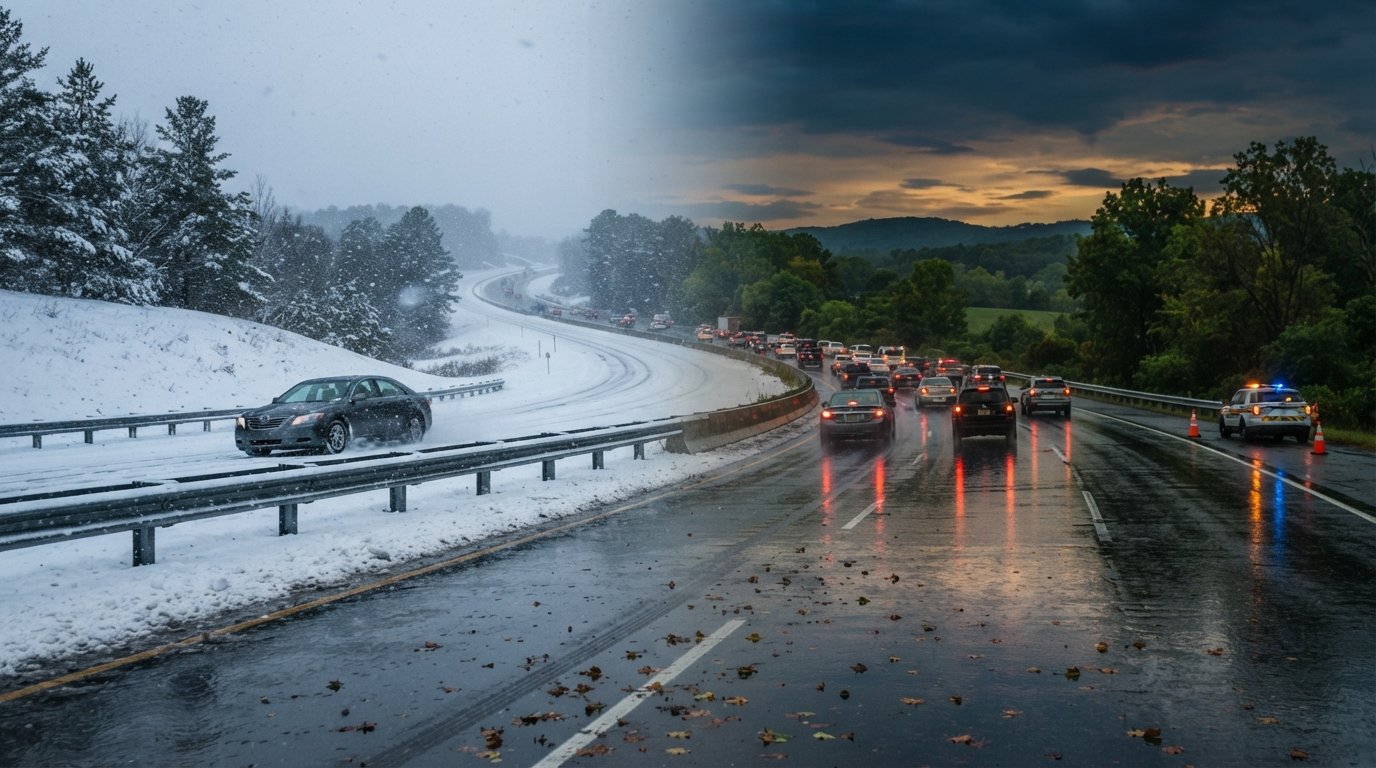
Seasonal Driving Risks and Insurance Claim Trends
Seasonal driving risks and insurance claim trends explained, plus tips to cut winter and summer crash costs. Call 8332147506 for personalized quote help.

By Miles Corbett
Every season rewrites the rules of the road, and your insurance company notices. When winter ice, spring storms, summer traffic, or fall glare change how people drive, they also change how often drivers file claims, what those claims cost, and how much insurers pay out. Understanding the connection between seasonal driving risks and insurance claim trends helps you anticipate danger before it appears in your rearview mirror, and it helps you avoid the surprise bills that follow a crash. Whether you drive a sedan, a pickup, a motorcycle, or a commercial van, the calendar quietly shapes your odds of a collision. The good news is that this pattern is predictable, and predictable risks can be managed.
Why Seasons Change Crash Risk and Claim Frequency
Weather is the most obvious seasonal variable, but it is not the only one. Daylight hours, school schedules, holiday travel, road maintenance, and even wildlife movement all shift with the calendar. Each factor nudges driver behavior in a different direction. In December, darkness falls before the evening commute, so millions of drivers spend more time behind the wheel in low visibility. In July, vacation traffic floods highways with drivers who are unfamiliar with local roads. Insurers track these shifts closely because they directly influence how many claims arrive each month.
Claim frequency, which is the number of claims filed, tends to rise in winter for collision and weather-related damage. Claim severity, which is the average cost per claim, often climbs in summer because higher speeds and heavier traffic produce more expensive crashes. That distinction matters. A season can produce fewer claims that cost more, or more claims that cost less, and each pattern affects premiums differently. When you request quotes, insurers weigh both frequency and severity for your region, your vehicle, and your driving history. If you want to see how those factors translate into real numbers, free auto insurance quotes online let you compare offers from multiple carriers without any obligation.
Regional differences add another layer. A Minnesota winter looks nothing like a Phoenix winter, and a Florida summer brings afternoon thunderstorms that a California summer rarely delivers. National averages are useful for context, but your local climate and traffic density matter far more. That is why two drivers with identical records can pay very different rates simply because they live in different states or even different ZIP codes.
Winter: Ice, Darkness, and the Highest Claim Volumes
Winter consistently generates the largest volume of weather-related auto claims in most of the United States. Snow, sleet, freezing rain, and black ice reduce traction and stretch stopping distances, sometimes doubling or tripling them. Shorter days mean more commuting in darkness, and cold temperatures can weaken batteries, stiffen tires, and fog windshields at the worst possible moments. Collisions with parked cars, guardrails, and other vehicles spike during the first major storm of the season, when drivers have not yet adjusted their habits.
Comprehensive claims also rise in winter, though for different reasons. Falling branches, hail in some regions, and animal strikes contribute to damage that falls outside collision coverage. If you are unsure how these coverage types differ, our guide on auto insurance for renters and homeowners bundle and save explains how bundling can close coverage gaps while lowering your total premium.
To reduce winter risk, focus on preparation rather than reaction. A few habits make a measurable difference:
- Install winter tires or all-weather tires with adequate tread depth before the first freeze.
- Keep an emergency kit with blankets, a flashlight, jumper cables, and sand or kitty litter for traction.
- Clear snow and ice from all windows, mirrors, and lights before driving, not just the windshield.
- Increase following distance and brake earlier and more gently on slippery surfaces.
- Check your battery, wipers, and antifreeze in late fall, before temperatures drop.
These steps lower your chance of filing a claim, and they also protect you if another driver slides into you. Documenting conditions with photos after a winter crash can strengthen your claim, especially when fault is disputed.
Spring: Storms, Potholes, and Rising Comprehensive Claims
Spring thaws bring relief from ice but introduce new hazards. Potholes open as pavement expands and contracts, and hitting one can damage tires, wheels, and suspension components. Severe thunderstorms, hail, and tornadoes sweep across the Midwest and South, producing some of the year's most expensive comprehensive claims. Heavy rain also creates hydroplaning risk, particularly in the first hour of a storm when oil and dust have not yet washed off the road.
Wildlife activity increases in spring as animals move toward food and mating grounds. Deer strikes, in particular, peak in spring and again in fall. These claims usually fall under comprehensive coverage, which many drivers overlook until they need it. If your policy has a high comprehensive deductible, a single deer strike could cost you more out of pocket than expected. Reviewing your deductible before spring arrives is a small step that prevents a large surprise.
Spring is also a smart time to reassess your coverage. If you stored a vehicle or motorcycle over the winter, confirm that it is fully insured before you ride or drive again. Policies that were reduced for seasonal storage may need to be restored to full coverage, and gaps in coverage can complicate claims if an accident happens during the transition.
Summer: Peak Traffic, Peak Severity
Summer produces the highest mileage of any season. Road trips, vacations, and teen drivers out of school all add vehicles to the road. More miles mean more exposure, and more exposure means more opportunities for collisions. While winter claims are often tied to weather, summer claims are tied to volume and speed. Highway crashes at 70 miles per hour cost far more than parking lot fenders in January, which is why summer claim severity tends to climb even when frequency holds steady.
Heat adds its own problems. Asphalt can soften and buckle, tires can blow out, and engines can overheat, leaving drivers stranded. Construction zones multiply, creating narrow lanes, sudden stops, and frustrated drivers. Rental cars add another wrinkle: vacationers driving unfamiliar vehicles in unfamiliar cities are statistically more likely to have an accident, and their personal auto policy may or may not extend coverage to the rental.
Before a summer road trip, take a few preventive steps:
- Check tire pressure and tread, including the spare.
- Verify that your policy covers rental vehicles or add that coverage temporarily.
- Review your roadside assistance benefits, since summer breakdowns are common.
- Plan travel times to avoid peak congestion and reduce fatigue.
- Confirm that all drivers on the trip, including family members, are listed on the policy.
These steps reduce risk, and they also make the claims process smoother if something goes wrong. Insurers ask detailed questions after a crash, and having documentation ready speeds up the resolution.
Fall: Glare, Leaves, and Back-to-School Traffic
Fall is a transitional season that catches many drivers off guard. Sunrise and sunset align with commute times, creating glare that temporarily blinds drivers on east-west roads. Wet leaves coat pavement and reduce traction as effectively as ice in some conditions. School buses, crossing guards, and student pedestrians return to neighborhoods, raising the risk of low-speed but serious accidents.
Deer activity peaks again in fall, especially during mating season and around daylight saving time changes when driving patterns shift abruptly. The hour after the clocks change is one of the most dangerous of the year, because drivers are suddenly commuting in darkness they have not experienced in months. Adjusting your schedule, using high beams when safe, and scanning roadsides for movement can reduce the odds of a wildlife collision.
Fall is also the ideal time to review your policy before winter arrives. Premiums, deductibles, and coverage limits can all be adjusted now, before the season that generates the most claims. If you bundle auto with renters or homeowners coverage, you may qualify for discounts that offset winter rate increases. Comparing quotes in fall gives you time to switch carriers before the first storm, rather than scrambling after a claim.
How Seasonal Claim Trends Affect Your Premium
Insurers do not adjust your rate every time it snows, but they do build seasonal patterns into the rates they file with state regulators. If you live in a region with severe winters, your base rate already reflects the higher probability of collision and comprehensive claims. If you live in a hail-prone state, you pay for that risk whether or not a storm hits your neighborhood this year. Understanding this helps you interpret your premium and identify which discounts are actually available to you.
Telematics programs, which track driving behavior through a smartphone app or plug-in device, can partially offset seasonal risk. Safe drivers who avoid hard braking and late-night driving often earn discounts, even in high-risk regions. Usage-based policies are not right for everyone, but they reward the habits that reduce seasonal claims. If you drive less in winter or work from home, a low-mileage discount may be available. If you have a teen driver, a student discount may apply during the school year.
Deductibles deserve special attention. Raising your deductible lowers your premium, but it also raises your out-of-pocket cost after a claim. In a season with frequent small claims, a high deductible can mean paying for repairs yourself. In a season with rare but severe claims, a high deductible may be a reasonable trade-off. The right choice depends on your emergency fund and your tolerance for risk.
Practical Steps to Lower Seasonal Risk and Claim Costs
Managing seasonal driving risks and insurance claim trends is mostly about preparation. Drivers who plan ahead file fewer claims, and when they do file, they recover faster and with less friction. The following framework works for most households, regardless of where you live or what you drive.
Start with a seasonal vehicle inspection. Before winter and before summer, check tires, brakes, battery, wipers, lights, and fluids. A mechanic can catch problems that are easy to miss in a driveway inspection. Next, review your policy annually, ideally in fall, and compare it against at least three other quotes. Rates change, discounts appear and disappear, and a policy that was competitive two years ago may no longer be. Finally, document everything. Keep photos of your vehicle, records of maintenance, and a copy of your policy in a place you can access after an accident.
If you are unsure which coverage fits your situation, speaking with a licensed agent can clarify your options. NewAutoInsurance.com connects drivers with licensed agents who can provide personalized quotes, and there is no obligation to buy. The site is an independent educational resource, not an insurance carrier or broker, and some agent promotions are paid advertising. That transparency matters when you are comparing offers, because you want information you can trust, not a sales pitch disguised as advice.
Seasonal driving risks and insurance claim trends will keep shifting as weather patterns change and traffic evolves. What does not change is the value of preparation. Check your tires before the first storm, review your coverage before the season that generates the most claims, and compare quotes before renewal. Those habits protect your wallet, your vehicle, and the people who share the road with you. If you want to see how your current policy stacks up, start with a fresh set of quotes and let the numbers guide your decision.