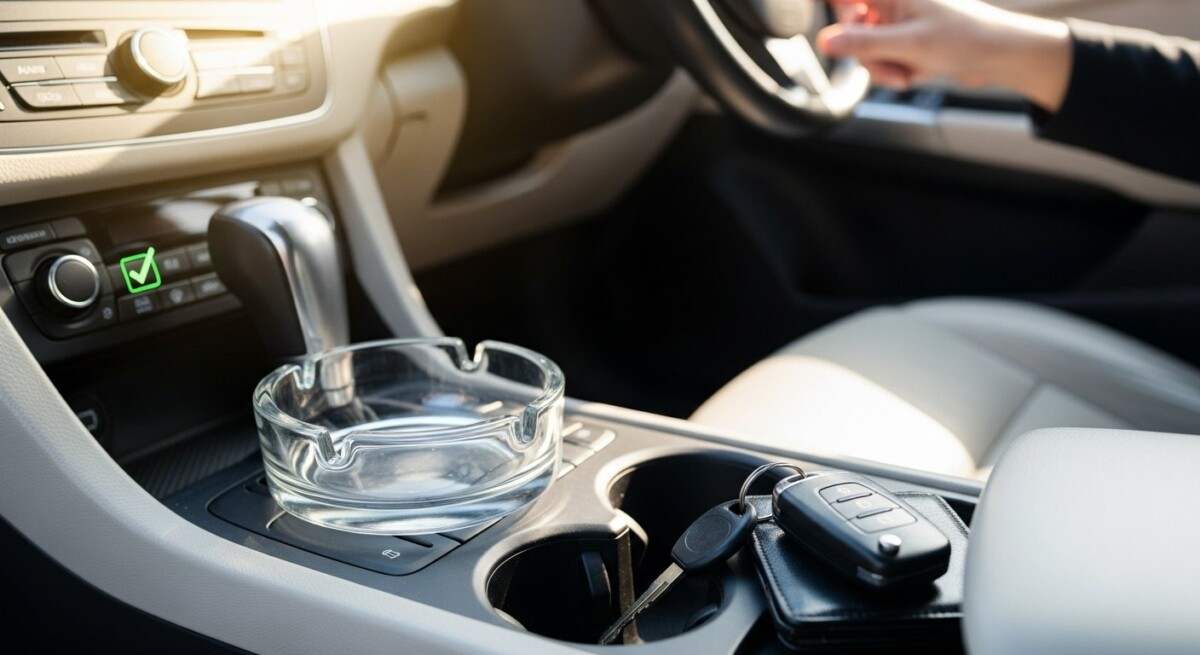
If you have never picked up a cigarette or you successfully quit years ago, your healthy habit might do more than improve your lungs. It could also lower your car insurance premium. Many drivers do not realize that major insurers offer meaningful savings for those who do not use tobacco. In fact, non-smoker discounts are one of the easiest ways to reduce your rate without changing coverage levels. This article explains how these discounts work, how much you can save, and what steps you can take to make sure you are getting the credit you deserve.
How Non-Smoker Discounts Work in Auto Insurance
Insurance companies assess risk based on statistical data. Studies show that smokers are more likely to file claims than non-smokers. The reasons go beyond health issues. Smoking inside a vehicle increases the risk of fire damage, burns, and ash-related interior damage. It also creates a distraction while driving. Because insurers see smokers as higher risk, they charge them higher premiums. Non-smokers, by contrast, represent a lower risk pool, so carriers reward them with a discount.
The discount is not always automatic. Some insurers require you to sign a declaration stating you do not use tobacco products. Others may ask for a nicotine test or a medical history check. The exact amount varies by company and state, but savings typically range from 5% to 15% of your total premium. For a driver paying $1,500 per year, that could mean $75 to $225 in annual savings. Over a few years, the total adds up significantly.
It is important to note that the definition of smoker can vary. Some insurers only ask about cigarette smoking. Others include vaping, chewing tobacco, cigars, and even nicotine patches or gum. If you use any nicotine product, you may not qualify for the discount. Always read the fine print or ask your agent directly about what qualifies you as a non-smoker.
Who Qualifies for Non-Smoker Discounts
Qualifying is generally straightforward if you do not use tobacco. However, there are nuances that can affect eligibility. Here are the key factors insurers consider:
- Current non-smoker status: You must confirm that you do not currently smoke or use any tobacco or nicotine products. Some insurers require a 12-month smoke-free period before granting the discount.
- Household members: If a spouse or other household member smokes in the car, the insurer may still classify you as a smoker risk. Some carriers extend the discount only if no one in the household uses tobacco.
- Vehicle use: If you use your car for work and passengers smoke in it, that could void the discount. For personal use, you have more control over who smokes inside.
If you are unsure about your eligibility, the best approach is to ask your insurer directly. You can also check your policy documents for any tobacco-related language. In many cases, simply stating your non-smoker status on the application is enough to get the discount. However, if you are caught providing false information, the insurer could deny a future claim or even cancel your policy.
For drivers who have recently quit, it is worth waiting the required smoke-free period before applying. Some companies offer a partial discount after six months and the full discount after one year. Keep records of your quit date and any cessation program participation to support your application if needed.
How to Find and Apply Non-Smoker Discounts
Finding the right discount starts with shopping around. Not all insurers offer non-smoker discounts, and among those that do, the savings amounts vary. Use a comparison tool or contact multiple agents to ask specifically about tobacco-free discounts. When you get quotes, make sure you answer the health and lifestyle questions accurately. Lying on an application can lead to serious consequences later.
Once you find a policy with a non-smoker discount, the application process is simple. You will typically answer a yes-or-no question about tobacco use. Some insurers ask for additional documentation, such as a signed affidavit or a copy of a nicotine-free test result. If you are applying online, look for a checkbox or dropdown that asks about smoking status. Check that box honestly to activate the discount.
If you already have a policy and believe you qualify for a non-smoker discount, call your insurer and ask to have it added. Provide proof if necessary. Many companies will apply the discount retroactively to the start of your current term. This is one of the easiest ways to lower your premium without switching carriers. For more strategies on finding the best rates, read our guide on 10 Expert Tips for Getting the Best Deal on Auto Insurance.
Other Discounts That Pair Well With Non-Smoker Savings
Non-smoker discounts work best when combined with other savings opportunities. Insurers offer many ways to reduce your premium, and stacking them can lead to substantial reductions. Consider bundling your auto insurance with a homeowners or renters policy. Many companies give a multi-policy discount of 10% to 25%.
You can also take advantage of safe driver discounts, good student discounts for young drivers, and low-mileage discounts for those who drive less than the average annual mileage. If you have a clean driving record, ask about accident-free or claims-free discounts. Some insurers offer discounts for completing a defensive driving course or for using telematics devices that track safe driving habits.
Another strong pairing is with credit-based insurance scores. In most states, insurers use credit history to set rates. Maintaining good credit can lower your premium significantly, and when combined with a non-smoker discount, the savings multiply. For a deeper look at how different factors affect your rate, see our article on 5 Factors That Directly Affect Your Auto Insurance Rates.
Common Misconceptions About Non-Smoker Discounts
Some drivers assume that non-smoker discounts are only for health or life insurance. That is not true. Auto insurers have used tobacco status as a rating factor for decades. Another misconception is that the discount is small or not worth the effort. In reality, a 10% discount on a $1,200 annual premium saves you $120 per year. Over five years, that is $600. It is well worth a phone call or a few minutes on an application.
Some people also believe that if they only smoke occasionally or outside the car, they still qualify. Most insurers define a smoker as anyone who uses tobacco products at all, regardless of frequency or location. Occasional smokers are typically treated the same as daily smokers. If you smoke even once a month, you may not be eligible. Be honest about your habits to avoid policy issues.
Finally, some drivers think that vaping or using e-cigarettes is not considered smoking. Many insurers now classify vaping as tobacco use because it involves nicotine. Check with your provider to see how they treat e-cigarettes. The rules are changing quickly as more people switch to vaping.
How Non-Smoker Discounts Fit Into Your Overall Insurance Strategy
Reducing your auto insurance premium is not about one single discount. It is about building a profile that insurers view as low-risk. Being a non-smoker is a strong signal of responsibility and lower claim likelihood. Combine that with a clean driving record, good credit, and safe driving habits, and you become a highly desirable customer. Insurers compete for low-risk drivers by offering better rates and more perks.
To maximize your savings, review your policy every six to twelve months. Life changes such as quitting smoking, moving to a safer neighborhood, or reducing your annual mileage can all lower your rate. Set a reminder to shop around at renewal time. Even if you love your current insurer, a competitor may offer a better deal. Use that quote to negotiate with your current carrier. Many companies will match or beat a competitor’s offer to keep your business.
For drivers with less-than-perfect credit or a previous accident, non-smoker discounts become even more valuable. They provide a way to lower the premium without waiting for negative factors to age off your record. If you have bad credit, explore our guide on 5 Best Auto Insurance for Bad Credit Drivers in 2026 to see how non-smoker status can help offset higher base rates.
Frequently Asked Questions
Do all auto insurance companies offer non-smoker discounts?
No, not all carriers offer this discount. However, many of the largest national insurers do include it as a rating factor. When comparing quotes, ask each company whether they provide a discount for non-smokers and how much it is worth.
Can I get the discount if I use nicotine gum or patches?
It depends on the insurer. Some classify any nicotine use as smoking, while others only consider combustible tobacco. Check with your agent to see how your specific product is treated.
Will my rate increase if I start smoking after getting the discount?
Yes. If you begin using tobacco, you must inform your insurer. Your rate will likely increase at renewal. Failing to report the change could be considered misrepresentation and may affect claims.
How do I prove I am a non-smoker?
Most insurers accept your signed statement on the application. Some may request a nicotine test or a medical record. If you are applying after quitting, a note from your doctor confirming your smoke-free status can help.
Can I get the discount if my spouse smokes but I do not?
Some insurers offer the discount only if no one in the household uses tobacco. Others base it on the named insured’s status. Ask your agent how the policy handles mixed households.
For more detailed information about lowering your monthly payments, visit our resource on 1st Auto Insurance: Lower Your Monthly Payments Now. It covers additional strategies to reduce your premium beyond non-smoker discounts.
Being a non-smoker is a simple, often overlooked way to save on auto insurance. The discount is easy to claim, requires minimal effort, and can put hundreds of dollars back in your pocket over time. If you have not checked your policy recently, now is the perfect time to call your insurer or compare new quotes. Your healthy lifestyle deserves a reward, and lower car insurance is one of the best ones available.