
Pay As You Go Auto Insurance: A Modern Driver’s Guide
Pay as you go auto insurance can reward safe driving with lower premiums. Call 833-214-7506 to discuss if this modern model is right for you.

By Luca Harrington
Imagine paying for auto insurance based on how you actually drive, not on broad demographic assumptions. This is the core promise of pay as you go auto insurance, a transformative model that links your premium directly to your driving behavior. Also known as usage-based or telematics insurance, this approach uses technology to monitor your driving habits, offering a potential path to significant savings for safe, low-mileage drivers. It represents a fundamental shift from the traditional one-size-fits-all policy, moving toward a more personalized and often fairer pricing system. For many, it’s not just a way to save money, it’s a smarter way to insure a vehicle in an increasingly connected world.
How Pay As You Go Auto Insurance Works
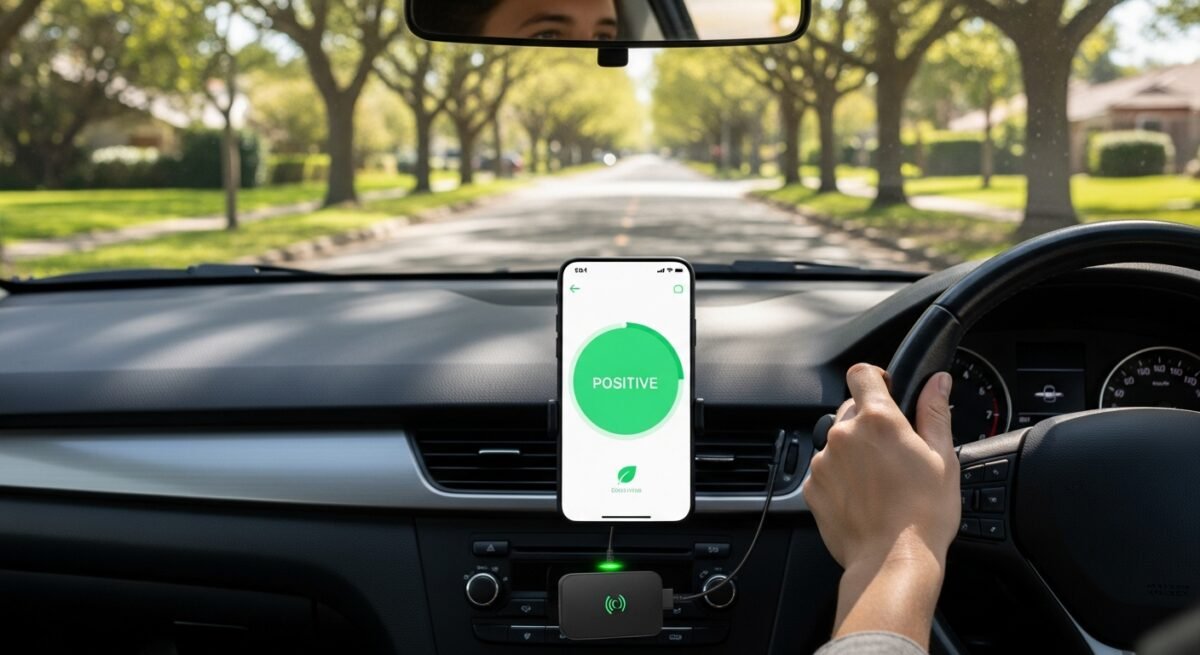
At its heart, pay as you go auto insurance relies on data. Instead of an insurer estimating your risk based on factors like your age, credit score, or ZIP code alone, they gather real-time information about your actual driving. This is typically done through a small telematics device, often called a dongle, that plugs into your car’s onboard diagnostic (OBD-II) port, or through a dedicated smartphone app that uses your phone’s sensors. This technology tracks a variety of metrics that insurers use to build a personalized risk profile. The data collected is then analyzed to determine your premium, which can be adjusted periodically, often every six months or at renewal. This creates a direct feedback loop: your driving behavior directly influences your insurance costs.
The specific driving behaviors monitored are designed to correlate with safety risk. Common metrics include mileage, as less time on the road generally means lower accident probability. Hard braking and rapid acceleration are strong indicators of aggressive driving, which increases risk. The time of day you drive matters, with late-night hours often considered higher risk. Consistent speeding, especially over posted limits, is a major factor. Some programs may also track cornering forces or phone usage while driving. It’s crucial to understand that this isn’t just about tracking where you go, it’s about analyzing how you operate the vehicle. For a deeper look at how these factors influence overall costs, you can explore our analysis on the average cost of auto insurance per month.
Key Benefits and Potential Drawbacks
Adopting a usage-based insurance model comes with a distinct set of advantages that appeal to a growing segment of drivers. The most compelling benefit is the potential for substantial premium savings. Safe, low-mileage drivers can often see discounts of 10% to 30%, and sometimes even more, compared to a standard policy. This model promotes fairness, as you pay for your individual risk rather than subsidizing the risky behavior of others in your demographic group. Many drivers find that the feedback from the app or device makes them more conscious and safer behind the wheel, leading to better habits. Furthermore, it can be an excellent option for those who work from home, are retired, or primarily use public transportation, as their low annual mileage is directly rewarded.
However, this innovative model is not without its considerations. The most significant is the potential for increased premiums. If your driving data indicates risky behavior, your rates can go up, not down. This introduces a privacy concern for some, as you are consenting to have your driving monitored, which can feel intrusive. The technology isn’t perfect, a passenger using your phone could be misinterpreted as distracted driving, or a necessary hard brake to avoid an accident could count against you. Not all driving styles or environments are suited for it, aggressive city driving or frequent night shifts may lead to poor scores. Finally, the initial discount is often just that, an initial offer, and your final price is determined by the data you generate.
Who Is the Ideal Candidate?
Pay as you go insurance isn’t for everyone, but it can be a perfect fit for certain driver profiles. The ideal candidate is a safe, defensive driver with consistent habits. They typically drive lower than average annual miles, perhaps under 10,000 per year. They avoid aggressive maneuvers, maintain steady speeds, and do most of their driving during daylight hours. This model is also highly suitable for infrequent drivers, such as those who use a car only for weekend errands or occasional trips. It can be a great option for new drivers looking to prove their responsibility beyond their age-based risk category, and for seniors who drive less but may face higher traditional premiums due to age.
Getting Started with a Usage-Based Policy
If you’re considering a switch to a pay as you go model, a structured approach will help you find the best program. Start by researching insurers that offer reputable telematics programs. Most major carriers and several newer, tech-focused companies now provide these options. Carefully compare the program structures: some are “discount-only,” meaning your rate can only decrease from the initial quote, while others are “full rating,” meaning your rate can go up or down based on data. Understand exactly what driving factors are measured and how they are weighted in your score. Inquire about data privacy policies, how long data is stored, and who it might be shared with. Finally, get a clear initial quote to understand your baseline before any potential discounts are applied.
Once you enroll, proper setup is key to ensuring accurate tracking. If using a physical device, install it correctly in your OBD-II port, usually found under the dashboard near the steering column. For app-based programs, ensure you grant the necessary permissions and that the app runs consistently in the background. It is critical to review your driving feedback regularly. Most apps provide weekly or monthly reports highlighting your strengths and areas for improvement. Use this as a tool to adjust your habits, like allowing more following distance to reduce hard braking. Be patient during the monitoring period, which is usually at least 90 days, to establish a reliable driving pattern. Remember, the goal is to demonstrate consistent, safe driving over time.
Comparing Providers and Program Structures
The landscape of pay as you go auto insurance is diverse, with different insurers emphasizing different aspects of your driving. Some programs are strictly mileage-based, offering discounts simply for driving less. Others employ complex algorithms that score you on a combination of mileage, braking, acceleration, cornering, phone distraction, and time of day. A few may even offer real-time feedback or coaching within their app. When comparing, look beyond the brand name and examine the specific scoring rubric. A program that heavily penalizes hard braking might not be ideal for someone who drives primarily in dense urban traffic with frequent stop-and-go conditions. Your local driving environment matters, which is why understanding regional nuances, like those detailed in our guide on navigating auto insurance in New York, can provide valuable context.
It is also vital to read the fine print regarding data usage and premium adjustments. Know if your participation is mandatory for the policy or optional. Clarify how often your rate is recalculated, at every renewal or more frequently. Ask what happens if you disconnect the device or close the app, will you be penalized or simply revert to a standard rate? Understand the dispute process if you believe the technology has recorded an event in error. Taking the time to understand these details will prevent surprises and ensure you choose a program that aligns with your driving life and comfort level with data sharing.
Frequently Asked Questions
Will my insurance company know my exact location at all times?
Most insurers state that they are primarily interested in how you drive, not where you go. While GPS data is often used to determine speed relative to posted limits and time-of-day driving, many programs allow you to disable location tracking or only collect trip data in a generalized form. Always review the specific privacy policy of the program you select.
Can my rates go up with a pay as you go plan?
Yes, depending on the program type. In a “full rating” program, your rates can increase based on poor driving data. In a “discount-only” program, your initial rate is the maximum you will pay, and you can only earn discounts from that point. It is essential to know which type you are enrolling in before you sign up.
What if someone else drives my car?
The device or app monitors the vehicle, not the driver. Therefore, any driving done in your car will be reflected in your data. If a friend or family member with risky habits frequently drives your car, it will negatively impact your driving score and potentially your premium.
Is the tracking device difficult to install?
No, installation is typically very simple. The telematics device plugs directly into your car’s OBD-II port, which is standardized and easily accessible in virtually all modern vehicles. App-based programs require no hardware installation at all, just a download and setup on your smartphone.
How much can I realistically save?
Savings vary widely by driver, insurer, and program. Safe, low-mileage drivers often report savings between 10% and 30%. Some drivers, particularly those who drive very little, have seen savings of 40% or more. However, high-mileage or aggressive drivers may see little discount or even a rate increase.
Pay as you go auto insurance is more than a pricing gimmick, it’s a data-driven evolution of the insurance contract. It rewards mindful driving and offers a tangible financial incentive for operating a vehicle safely and sparingly. While it requires a willingness to be monitored and may not suit every driver’s profile or comfort level, it presents a compelling alternative for those seeking to align their insurance costs more closely with their individual behavior. As technology continues to advance, this model is poised to become an even more integrated and personalized part of the automotive landscape.