
Nevada Auto Insurance: Requirements, Costs, and Savings
Understand Nevada’s mandatory coverage and learn strategies to lower your premium. For personalized guidance, call 833-214-7506.

By Theo Blackwe
Driving in Nevada means navigating the glittering Las Vegas Strip, vast desert highways, and bustling city streets. To legally operate a vehicle in the Silver State, you must carry a specific level of auto insurance. Understanding Nevada’s unique insurance landscape is not just about compliance, it’s a critical financial decision that protects you from significant liability in a state with high accident rates. This guide will detail the mandatory coverage, explain factors influencing your premium, and provide actionable strategies to secure adequate protection without overpaying.
Nevada’s Mandatory Auto Insurance Laws
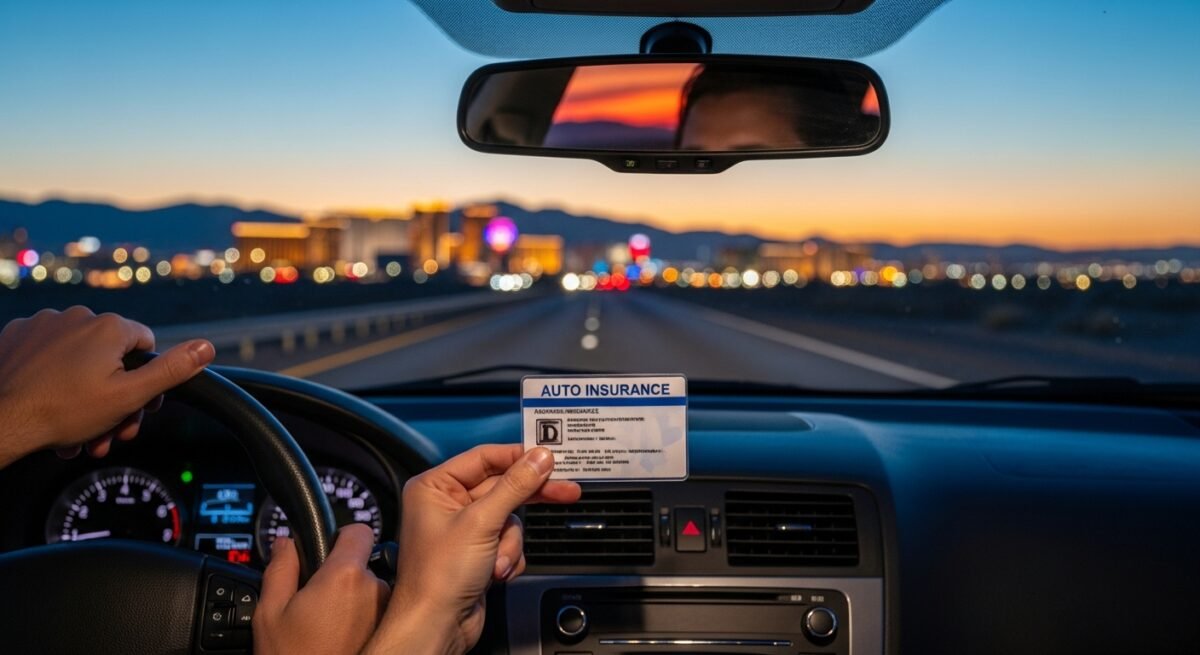
Nevada operates under a tort system, meaning the driver found at fault in an accident is financially responsible for damages. To ensure drivers can meet this responsibility, state law mandates minimum liability coverage limits. You must carry proof of insurance in your vehicle at all times and present it during traffic stops, vehicle registration, or after an accident. Failure to maintain continuous coverage can result in severe penalties, including license and registration suspension and substantial fines. The state uses an electronic insurance verification system to monitor compliance, making it difficult to drive uninsured unnoticed.
The minimum liability coverage required by Nevada law is expressed as 25/50/20. This numerical shorthand breaks down into three specific components. First, $25,000 for bodily injury or death of one person in an accident you cause. Second, $50,000 total for bodily injury or death of two or more people in one accident. Third, $20,000 for property damage per accident, which covers repairs to another person’s vehicle, fence, or other structures. It is vital to understand that these limits are the absolute minimum and often prove insufficient in serious accidents, leaving you personally liable for costs exceeding your policy’s cap.
Why Minimum Coverage Is Often Inadequate
Opting for only the state-mandated minimums is a high-risk financial strategy. Medical costs and vehicle repair expenses can easily surpass $25,000 for a single injured person or $20,000 for property damage, especially with today’s advanced, expensive vehicles. If you are at fault in an accident where damages exceed your policy limits, the other party can seek a court judgment against you for the difference. This could lead to wage garnishment, liens on your property, or depleted savings. Furthermore, Nevada’s minimums do not provide any coverage for your own vehicle’s repairs or your own medical bills after an accident you cause.
To build a robust financial safety net, insurers and financial advisors strongly recommend considering higher liability limits, such as 100/300/100 or more. Additionally, integrating key supplemental coverages is essential for comprehensive protection. Collision coverage pays for damage to your own car from an impact with another vehicle or object, regardless of fault. Comprehensive coverage handles non-collision incidents like theft, vandalism, fire, or hitting an animal. Uninsured/Underinsured Motorist (UM/UIM) coverage is crucial in Nevada, which has a higher-than-average rate of uninsured drivers. This coverage protects you if you’re hit by a driver with no insurance or insufficient limits.
Key Factors That Determine Your Nevada Premium
Nevada auto insurance rates are influenced by a complex algorithm of personal and regional factors. Some variables are within your control, while others are not. Understanding these can help you identify areas for potential savings. Your driving record is the most significant controllable factor. A clean record with no accidents or moving violations signals lower risk to insurers. Conversely, tickets for speeding, DUIs, or at-fault accidents will sharply increase your costs for several years. Your age and driving experience also play a major role, with young, inexperienced drivers facing the highest premiums.
Where you live in Nevada dramatically affects your rate. Urban areas like Las Vegas and Henderson have higher premiums due to dense traffic, greater accident frequency, and higher rates of vehicle theft and vandalism. Rural counties typically see lower rates. Other critical rating factors include your vehicle’s make, model, and year (expensive cars cost more to insure and repair), your annual mileage, and even your credit-based insurance score, which Nevada allows insurers to use. To navigate these variables effectively, especially for new drivers, our resource on finding the best auto insurance for teen drivers offers targeted advice.
Practical Steps to Lower Your Insurance Costs
While some factors are fixed, proactive management can lead to substantial savings on your Nevada auto insurance policy. The single most effective action is to comparison shop. Rates for the same driver and vehicle can vary by hundreds of dollars between different companies. Obtain quotes from at least three to five insurers annually. When you need coverage immediately, perhaps for a new car purchase, understanding the process for securing same day auto insurance can be invaluable. Bundling your auto policy with other insurance products, like homeowners or renters insurance, almost always triggers a multi-policy discount.
You can also lower costs by adjusting your coverage wisely. Consider raising your deductible, which is the amount you pay out-of-pocket before insurance kicks in for comprehensive or collision claims. A higher deductible means a lower premium. However, ensure you can afford the deductible you choose. Maintain a good credit score by paying bills on time, as this improves your insurance score in Nevada. Ask about discounts for which you may qualify, such as those for safe driving, low annual mileage, completing a defensive driving course, having anti-theft devices, or being a good student.
What to Do After a Car Accident in Nevada
Knowing the proper steps to take immediately after a collision is critical for your safety, legal protection, and insurance claim process. First, check for injuries and call 911 if anyone is hurt. Move vehicles to a safe location if possible to avoid further danger. Then, contact local law enforcement to file an official report, which is often required by your insurance company and provides an objective account of the incident. Exchange information with the other driver(s), including names, contact details, insurance company, and policy number. Use your smartphone to take comprehensive photos of the scene, vehicle damage, license plates, and any relevant road conditions or signage.
Notify your insurance company of the accident as soon as possible, even if you are not at fault. Provide them with all the collected information and the police report number. Be honest and factual in your account, but avoid admitting fault or making speculative statements. Your insurer will assign a claims adjuster to investigate the accident, assess damages, and determine liability based on Nevada’s fault laws. If your vehicle is not drivable, ask about towing and rental car coverage under your policy. Keep detailed records of all conversations, emails, and receipts related to the accident.
Frequently Asked Questions About Nevada Auto Insurance
What are the penalties for driving without insurance in Nevada? Penalties are severe and escalate with repeat offenses. For a first offense, you face a fine of at least $250, reinstatement fees, and a license suspension until you provide proof of insurance and pay all fees. A second offense within a five-year period results in a minimum $500 fine, a one-year license suspension, and possible vehicle impoundment.
Is Nevada a no-fault state for auto insurance? No, Nevada is a traditional tort, or “at-fault,” state. The driver who is legally responsible for causing the accident is liable for the resulting damages. This system allows injured parties to sue the at-fault driver for medical expenses, lost wages, and pain and suffering.
How does my credit score affect my Nevada auto insurance rate? Nevada permits insurers to use a credit-based insurance score as a rating factor. Statistical data suggests a correlation between credit history and the likelihood of filing a claim. Maintaining good credit can therefore help you secure lower premiums, while poor credit may lead to higher rates.
Can my insurance be canceled if I file a claim? An insurer generally cannot cancel a policy that has been in force for more than 60 days mid-term unless you fail to pay the premium, commit fraud, or have your driver’s license suspended. However, they may choose not to renew your policy at the end of its term based on your claims history or other risk factors.
What is SR-22 insurance, and when is it required? An SR-22 is not insurance, it is a certificate of financial responsibility filed by your insurance company with the state to prove you carry the required minimum liability coverage. It is typically required after serious violations like a DUI, driving without insurance, or multiple at-fault accidents.
Securing the right Nevada auto insurance policy is a balance between meeting legal mandates and ensuring robust personal financial protection. By moving beyond bare minimums, understanding the rating factors that affect your premium, and actively shopping for discounts, you can obtain coverage that offers peace of mind on every road, from the neon-lit boulevards to the open desert highways. Regularly review your policy and life circumstances to ensure your coverage evolves with your needs.