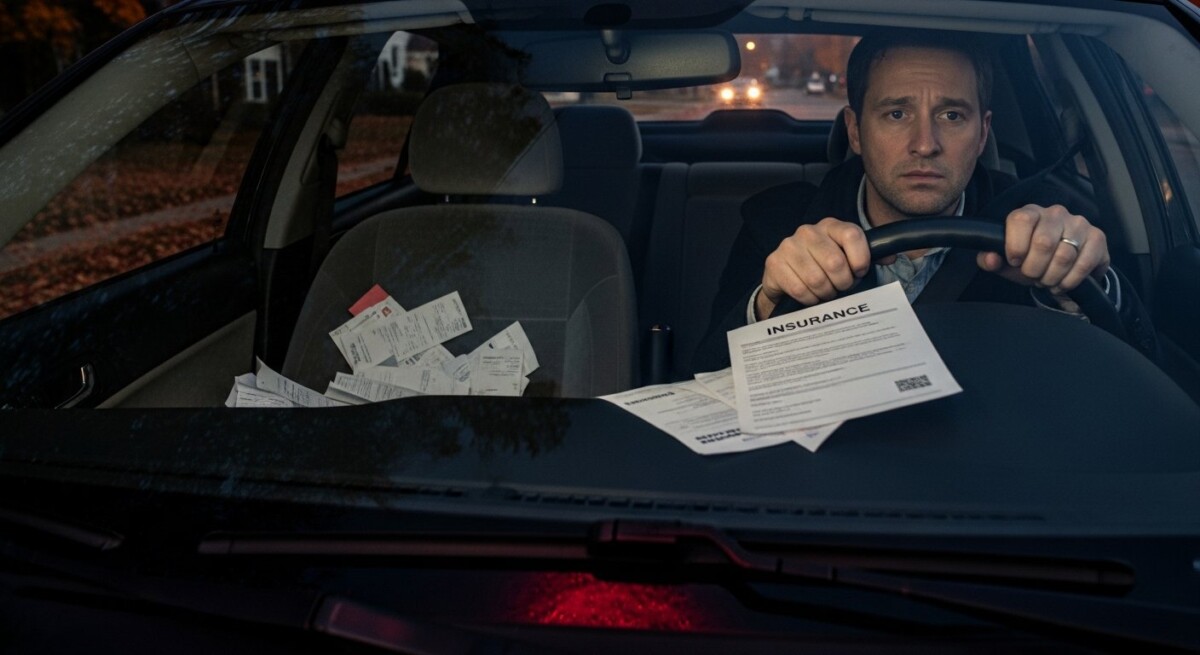
Driving is a necessity for millions of Americans, but for some, the cost of car insurance can feel like a second mortgage. If you have a speeding ticket, a recent accident, or a less-than-perfect credit score, you may have been slapped with the label of a high-risk driver. This classification often leads to significantly higher premiums. Understanding why these rates exist and how to manage them is the first step toward regaining control of your finances. High-risk car insurance rates are not a life sentence; they are a temporary classification that you can overcome with the right strategy and knowledge.
Many drivers assume that being labeled high-risk means they are stuck with exorbitant costs forever. That is simply not true. Insurance companies use risk assessment models to predict the likelihood of a claim. When your driving record or credit history triggers those models, your rates go up. However, insurers also reward improvement. By knowing what factors influence your premiums and how to address them, you can begin to lower your costs. This guide will walk you through the mechanics of high-risk rates, the specific factors that drive them, and actionable steps to find affordable coverage.
What Defines a High-Risk Driver?
Insurance providers categorize drivers into risk tiers based on statistical data. A high-risk driver is someone who, according to actuarial tables, is more likely to file a claim than the average motorist. This classification is not arbitrary; it is based on quantifiable factors. The most common triggers include a history of at-fault accidents, moving violations like speeding tickets, DUIs, or a lapse in coverage. Additionally, being a new driver with limited experience or having a low credit-based insurance score can also place you in this category.
It is important to recognize that each state and each insurance company has its own definition of high-risk. In some states, a single speeding ticket might not move you into the high-risk pool, while in others, it could trigger a surcharge. The duration of being labeled high-risk also varies. Typically, a DUI can affect your rates for three to five years, while a minor accident might only impact you for three years. Understanding your state’s specific regulations and the look-back periods used by insurers is crucial for planning your recovery. For a deeper dive into why your premiums might be elevated, read our analysis on 10 reasons why my car insurance is high.
Key Factors That Influence High-Risk Car Insurance Rates
Insurance companies do not simply guess your premium. They use a complex algorithm that weighs numerous variables. While you cannot change some factors like your age or location, many are within your control. Understanding these variables is the first step to lowering your high-risk car insurance rates. The following list breaks down the most influential factors that insurers consider when assessing risk.
- Driving Record: This is the most significant factor. Accidents, tickets, and DUIs directly correlate with higher premiums. The more recent and severe the infraction, the higher the rate.
- Credit History: In most states, insurers use a credit-based insurance score. A lower credit score is statistically linked to a higher likelihood of filing a claim, leading to higher rates.
- Age and Experience: Teenagers and young adults under 25 typically pay more because they lack driving experience. Senior drivers over 70 may also see increases due to age-related risk factors.
- Vehicle Type: Sports cars, luxury vehicles, and models with high theft rates cost more to insure. The cost of repairs and replacement parts also plays a role.
- Coverage History: A lapse in insurance coverage, even for a short period, is a red flag for insurers. It suggests higher risk and often results in higher premiums.
Each of these factors is weighted differently by each insurance provider. One company might heavily penalize a DUI but be more lenient on credit history, while another might do the opposite. This is why shopping around is essential. You cannot change your past, but you can choose an insurer that prioritizes different risk factors. For example, if your primary issue is a single accident from two years ago, some insurers may offer better rates than those who focus heavily on recent claims.
How to Lower Your High-Risk Car Insurance Premiums
Lowering your premiums is not just about waiting for time to pass. There are proactive steps you can take today to reduce your costs. The most effective approach combines improving your driving habits with strategic financial decisions. Here are several actionable strategies that can help you secure more affordable coverage.
First, consider taking a defensive driving course. Many states and insurers offer discounts for completing an approved course. This is particularly beneficial for drivers with a minor violation or an accident on their record. It demonstrates to the insurer that you are committed to becoming a safer driver. Second, review your coverage limits and deductibles. If you have an older car with a low market value, dropping collision and comprehensive coverage could significantly lower your premium. However, be careful not to underinsure yourself. You want to protect your assets, but you do not want to pay for coverage you do not need.
Another effective strategy is to bundle your policies. If you have homeowners or renters insurance, combining it with your auto insurance through the same company can yield substantial discounts. Similarly, paying your premium in full upfront rather than in monthly installments can save you administrative fees and sometimes a small discount. Finally, consider usage-based insurance programs. These programs use a telematics device or a smartphone app to monitor your driving habits, such as speed, braking, and mileage. Safe drivers can earn significant discounts, making this an excellent option for those who are confident in their driving skills but have a blemish on their record. For more tailored advice, check out our guide on finding affordable car insurance for high-risk drivers.
Special Considerations for Urban Drivers
Living in a major metropolitan area adds another layer of complexity to high-risk car insurance rates. Cities like Chicago, Boston, and Atlanta have higher population densities, more traffic congestion, and higher rates of theft and vandalism. These factors naturally increase premiums for all drivers in the area. If you are a high-risk driver in an urban environment, your rates can be significantly higher than those in suburban or rural areas.
For example, a driver in Chicago with a DUI on their record may face premiums that are double or triple the state average. The combination of urban risk factors and a personal high-risk classification creates a perfect storm of high costs. However, there are specific strategies for urban drivers. Parking in a secure garage instead of on the street can lower your comprehensive coverage costs. Additionally, choosing a vehicle that is less attractive to thieves, such as a common sedan rather than a luxury SUV, can help. If you are located in the Chicago area, our resource on finding affordable car insurance for high-risk Chicago drivers provides specific tips and local insights.
The Role of SR-22 Insurance
An SR-22 is not a type of insurance; it is a certificate of financial responsibility that your insurance company files with your state’s Department of Motor Vehicles. It is often required after a serious violation like a DUI, driving without insurance, or accumulating too many points on your license. If you are required to file an SR-22, you are likely paying high-risk car insurance rates. This certificate proves to the state that you carry the minimum required liability coverage.
Having an SR-22 requirement does not automatically mean you will pay higher rates than other high-risk drivers, but it does limit your options. Many standard insurance companies will not write policies for drivers who need an SR-22. You will likely need to seek coverage from a non-standard or high-risk insurer. The good news is that the SR-22 requirement is temporary, usually lasting three years. Once the period is over, you can often switch back to a standard insurer and see your rates drop. It is crucial to maintain continuous coverage during this period; a lapse can restart the clock on your SR-22 requirement.
How to Compare Quotes Effectively
Comparison shopping is the single most effective way to lower your high-risk car insurance rates. However, not all comparison methods are created equal. Simply getting a few quotes online is a good start, but you need to ensure you are comparing apples to apples. When comparing quotes, look at the coverage limits, deductibles, and exclusions. A lower premium might mean less coverage, which could cost you more in the long run if you have an accident.
Start by requesting quotes from at least three to five different insurers. Include both national carriers like Progressive and Geico as well as regional or local companies that specialize in high-risk drivers. Be honest about your driving history; misrepresenting your record can lead to denied claims or policy cancellation. Also, ask about discounts. Even high-risk drivers may qualify for discounts for completing a defensive driving course, being a good student, or having anti-theft devices in their vehicle.
Another key factor is the claims process. Read reviews and check the financial stability of the companies you are considering. A cheap policy is not worth it if the insurer has a reputation for denying claims or providing poor customer service. Finally, consider working with an independent insurance agent. They have access to multiple carriers and can often find coverage that you cannot find on your own. They can also explain the nuances of high-risk policies and help you understand what you are buying. For additional strategies on securing the best possible rate, explore our tips on how to secure the best auto insurance rates.
Frequently Asked Questions
How long do high-risk car insurance rates last?
The duration depends on the reason for the high-risk classification. For a minor accident or a single speeding ticket, rates typically return to normal after three years. For a DUI, it can take three to five years. The key is to maintain a clean driving record during that period. Once the incident falls outside the insurer’s look-back period, you can request a rate review or shop for new coverage.
Can I get high-risk insurance with no money down?
Yes, many high-risk insurers offer policies with low or no down payment options. However, these policies often come with higher monthly payments and administrative fees. It is important to read the fine print and understand the total cost over the policy term. Paying a larger down payment upfront can sometimes lower your overall premium.
Will my rates go down if I take a defensive driving course?
Yes, in many cases. Most states and insurers offer a discount for completing an approved defensive driving course. This is particularly effective for drivers with a minor violation on their record. The course demonstrates your commitment to safe driving, which can mitigate some of the risk perceived by the insurer.
Does my credit score affect my high-risk car insurance rates?
In most states, yes. Insurers use a credit-based insurance score to predict risk. A lower credit score can lead to higher premiums, even if your driving record is clean. Improving your credit score by paying bills on time and reducing debt can help lower your insurance rates over time.
Final Thoughts on Managing Your Coverage
Being labeled a high-risk driver does not mean you have to accept exorbitant premiums forever. By understanding the factors that influence your rates and taking proactive steps to improve your driving habits and financial profile, you can gradually reduce your costs. The most important actions are to shop around for quotes, maintain continuous coverage, and avoid new violations. With patience and diligence, you can transition back to standard rates and save hundreds of dollars each year.