
Navigating Auto Insurance for City Drivers in High Traffic
Get expert advice on auto insurance for city drivers with high traffic 2026. Call 833-214-7506 to discuss your urban coverage needs and potential savings.

By Callum Rivers
Navigating congested city streets is a daily reality for millions of drivers, a reality that comes with a unique set of risks and costs. From the constant stop-and-go of rush hour to the heightened chance of fender benders, theft, and vandalism, urban driving fundamentally changes the auto insurance equation. As we look ahead to 2026, understanding how to secure the right coverage for city driving in high-traffic conditions is not just about compliance, it is a critical component of financial planning and personal safety. This guide delves into the specific challenges faced by city drivers and provides a strategic roadmap for obtaining optimal auto insurance that balances comprehensive protection with affordability.
The Unique Insurance Challenges of Urban Driving
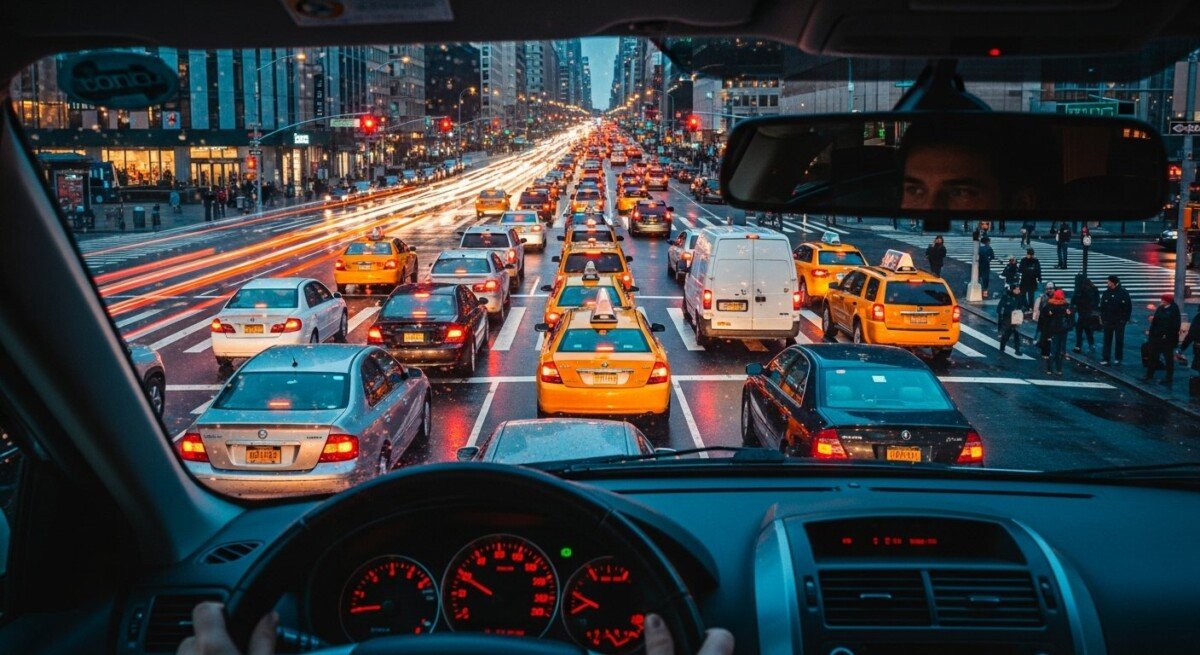
City driving presents a concentrated risk environment that insurers carefully analyze when calculating premiums. The density of vehicles, pedestrians, cyclists, and infrastructure creates a complex web of potential hazards. Unlike highway or rural driving, urban areas feature frequent intersections, tight parking, delivery vehicles, and construction zones, all of which contribute to a statistically higher likelihood of collisions, even at lower speeds. These frequent, low-speed accidents, while often minor, lead to a high volume of claims for repairs, which insurers factor into their models. Furthermore, the prevalence of comprehensive claims in cities is significantly higher. Vehicles parked on the street are more vulnerable to theft, break-ins, and vandalism. They are also more likely to be damaged by falling objects, hit-and-run incidents, or environmental factors like narrow streets causing scrapes and dings. This combination of elevated collision and comprehensive risk is the primary driver behind higher insurance premiums for city residents compared to their suburban or rural counterparts.
Essential Coverage Types for the Urban Driver
While state minimums provide a legal baseline, they are almost universally inadequate for city drivers. Building a policy that offers real protection requires a thoughtful layering of coverages. The cornerstone is robust liability insurance, which covers injuries and property damage you cause to others. In a dense urban environment, a single accident can involve multiple vehicles or pedestrians, leading to claims that can easily exceed minimum limits. Carrying liability limits of 100/300/100 ($100,000 per person, $300,000 per accident for bodily injury, and $100,000 for property damage) is a prudent starting point for city drivers. Collision and comprehensive coverage are non-negotiable for most financed or leased vehicles, and they remain highly advisable for others given the urban risk profile. Beyond these, several add-ons are particularly valuable in a city context.
Uninsured/underinsured motorist (UM/UIM) coverage is critical, as cities often have higher rates of uninsured drivers. If you are hit by someone without adequate insurance, this coverage protects you and your passengers. Medical payments or personal injury protection (PIP) can help with immediate medical expenses regardless of fault. Perhaps one of the most important coverages for city drivers is rental car reimbursement. With a high likelihood of your vehicle being in the shop for repairs after an incident, having this coverage ensures your mobility is not halted. For a deeper dive into building a comprehensive policy, our resource on the best auto insurance coverage for full protection in 2026 explores each component in detail.
Strategies to Lower Your Premiums in the City
High premiums are a common pain point, but they are not immutable. Proactive drivers can employ several strategies to mitigate costs. The most impactful step is to increase your deductible, the amount you pay out-of-pocket before insurance kicks in. Raising your collision and comprehensive deductible from, for example, $500 to $1,000 can lead to significant premium savings. This strategy is financially sound if you maintain an emergency fund to cover the higher deductible if needed. Bundling your auto policy with other insurance products, like renters or homeowners insurance, almost always triggers a multi-policy discount. Furthermore, insurers are increasingly using telematics programs, where a device or mobile app monitors your driving habits. For city drivers who practice safe habits despite the challenging environment, such as smooth braking, avoiding hard acceleration, and limiting late-night driving, these programs can offer substantial discounts. Other standard discounts to inquire about include those for good students, defensive driving courses, low annual mileage (if you use public transit frequently), and anti-theft devices.
Leveraging Technology and Usage-Based Insurance
As we move toward 2026, technology will play an even larger role in personalizing insurance. Usage-based insurance (UBI) programs, a form of telematics, move beyond simple discounts to potentially base your entire premium on how, when, and how much you drive. For a city dweller who primarily uses their car for weekend trips and avoids peak traffic hours, a UBI policy could result in far lower costs than a traditional policy based on generic urban zip code data. When exploring these tech-driven options, it is wise to research companies known for seamless digital experiences. For instance, a review of the best online auto insurance for fast approval in 2026 can highlight insurers that excel in this area.
The Claims Process in a Dense Urban Area
Filing a claim after an incident in a busy city comes with its own complexities. The immediate steps after an accident remain crucial: ensure safety, call police if necessary, exchange information, and document the scene with photos. However, in a hit-and-run or a parking lot ding where the other party is unknown, your comprehensive or collision coverage will be used, and you will be responsible for your deductible. Having dashcam footage can be invaluable in these situations to establish fault. The density of repair shops in cities can be an advantage, but it is important to work with your insurer’s recommended network to guarantee warranty-backed repairs and direct billing. A key consideration for city drivers is the speed and efficiency of the claims handler. After a disruptive event, you want your life back to normal quickly. This makes choosing an insurer with a reputation for swift claims resolution paramount. Our analysis of the fastest auto insurance claims companies for 2026 identifies carriers that prioritize this critical service.
To navigate the claims process effectively, keep the following checklist in mind:
- Immediate Documentation: Use your smartphone to take comprehensive photos of all vehicles involved, license plates, street signs, and any visible damage from multiple angles.
- Witness Information: In a public, busy area, there may be witnesses. Politely ask for their contact information if they are willing to provide it.
- Police Report: For any accident with injuries or significant damage, insist on a police report. This official document is crucial for the claims process.
- Direct Communication: Notify your insurer as soon as it is safe to do so. Provide clear, factual information and avoid admitting fault.
- Repair Coordination: Work with your claims adjuster to select a reputable, network repair shop to streamline the process and ensure quality.
Future Trends: Auto Insurance in 2026 and Beyond
The landscape of auto insurance for city drivers is poised for continued evolution. The integration of more advanced vehicle safety technology (ADAS) like automatic emergency braking and lane-keeping assist may begin to lower risk profiles and affect premiums. Conversely, the rising cost of repairs for these sophisticated systems could exert upward pressure on claims costs. Insurers will likely refine their data models, using more granular information about specific neighborhoods and even streets. Furthermore, as remote work patterns solidify, some drivers may see their classification change if their commute mileage drops permanently. For those who live in one city but work in another, or who frequently drive across municipal or state lines, understanding jurisdictional coverage rules is essential. This is a complex area, and drivers can benefit from reading about navigating multi-state auto insurance coverage in 2026.
Frequently Asked Questions
Why is my auto insurance so much higher since I moved to the city?
Your premium is primarily based on risk. Insurers’ data shows that dense urban areas have higher frequencies of accidents, theft, and vandalism. Your new zip code is a significant rating factor that reflects this aggregated risk.
Is it worth having a high deductible if I live in a city?
It can be a very effective cost-saving strategy, but it requires financial discipline. If you can comfortably afford a $1,000 or $1,500 out-of-pocket payment in the event of a claim, opting for a higher deductible will lower your monthly premium. Ensure you have this amount saved in an emergency fund.
What is the most important coverage add-on for city drivers?
While uninsured motorist coverage is vital, rental reimbursement is often the most immediately practical add-on. If your car is damaged and in a shop for a week or more, having a rental car covered by insurance maintains your ability to get to work and run essential errands in a city where alternative transport might be insufficient.
Will a dashcam help lower my insurance premium?
While a dashcam itself may not trigger a direct discount from most insurers, it provides invaluable evidence that can prove you were not at fault in an accident. This can prevent your premium from increasing after a claim and streamline the claims process, effectively saving you money.
How often should I shop for new auto insurance as a city driver?
It is advisable to compare quotes from at least 3-4 different insurers every 12-18 months. Insurance markets are competitive, and new discounts or pricing models can make another carrier more affordable for your specific urban driving profile.
Securing the right auto insurance as a city driver demands a shift from viewing it as a mere legal requirement to seeing it as a dynamic risk management tool. By understanding the unique urban risk landscape, strategically selecting coverages that address those specific risks, and actively employing discounts and technology, you can navigate the congested roads with greater financial confidence. The goal is not merely to find a policy, but to craft a protective financial shield that aligns with the realities of high-traffic living, ensuring that when the unexpected happens, you are prepared to recover quickly and completely.