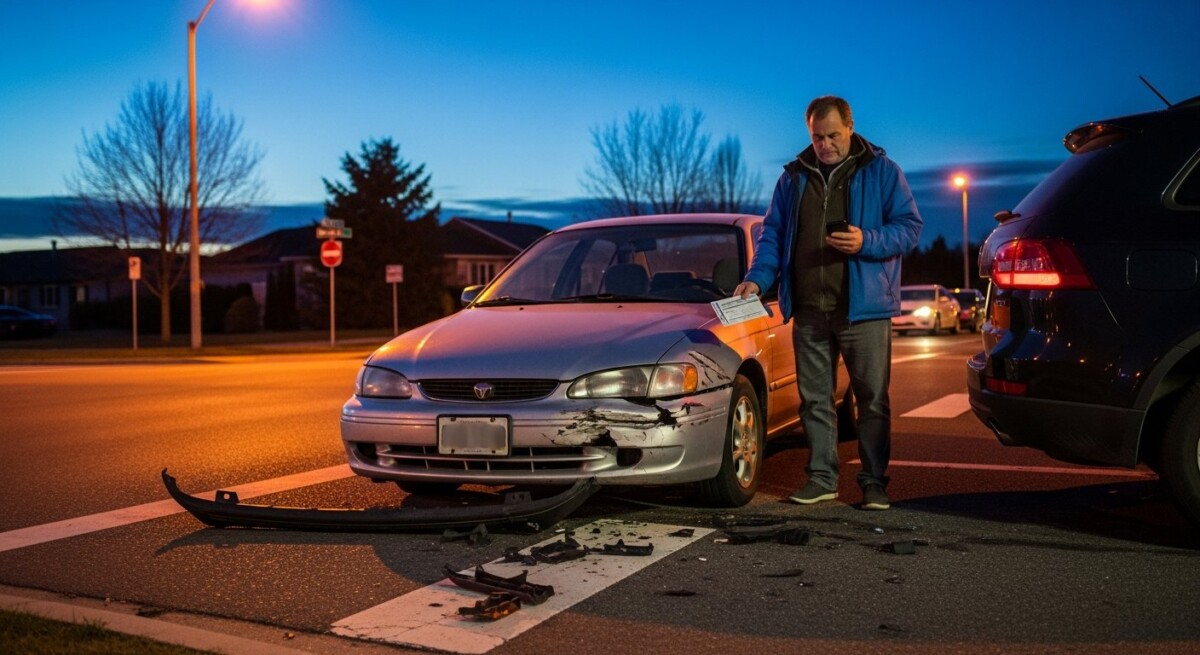
Driving without insurance is illegal in nearly every state, but the type of coverage you carry is a personal decision with significant financial consequences. Many drivers choose the cheapest option available: minimum coverage auto insurance. This policy meets the state’s legal requirement but leaves you exposed to substantial out-of-pocket costs after an accident. Understanding exactly what this coverage includes, where it falls short, and how it compares to fuller protection can save you from a costly mistake. Before you sign up for the bare minimum, consider the real risks and rewards.
What Is Minimum Coverage Auto Insurance
Minimum coverage auto insurance refers to the lowest level of liability protection that a state requires for a vehicle to be legally operated on public roads. It typically includes bodily injury liability per person, bodily injury liability per accident, and property damage liability. Some states also require personal injury protection (PIP) or uninsured motorist coverage as part of their minimum requirements, but the core concept remains the same: you are buying just enough insurance to satisfy the law, not to protect your own assets.
For example, a common minimum limit is 25/50/25: $25,000 for bodily injury per person, $50,000 for bodily injury per accident, and $25,000 for property damage. These numbers might sound adequate, but consider that the average cost of a new car now exceeds $48,000, and a single hospital stay for a serious injury can top $100,000. If you cause an accident that exceeds your limits, you are personally responsible for the difference. That is where the risk of minimum coverage becomes a gamble.
Who Typically Chooses Minimum Coverage
Drivers who select minimum coverage often fall into one of three groups: those driving older vehicles worth very little, those on a tight budget, or those who mistakenly believe the state minimum is enough to protect them. If your car is worth less than $5,000 and you have no savings or assets to protect, the logic behind choosing minimum coverage makes some financial sense. You might decide that the cost of comprehensive and collision coverage exceeds the potential payout from insuring a car with low market value.
However, the decision is not just about your car’s value. It is about your future earnings, your savings, and your liability exposure. In our guide on factors that directly affect your auto insurance rates, we explain how your coverage limits influence your premium and your long-term financial risk. Even if you drive an old car, a single at-fault accident could lead to wage garnishment or a lawsuit if the damages exceed your policy limits. Minimum coverage protects the other driver, not you.
The Hidden Dangers of Minimum Coverage Auto Insurance
While minimum coverage auto insurance keeps you legal, it creates several dangerous gaps in protection. The most obvious gap is the lack of coverage for your own vehicle. If you are at fault in an accident, your insurance will pay nothing to repair or replace your car. You must cover those costs entirely out of pocket. For drivers who cannot afford a sudden repair bill, this can be devastating.
Another serious gap involves medical payments. Your liability coverage pays for the other party’s injuries, but it does not pay a dime for your own medical bills or those of your passengers (unless you have PIP or MedPay, which varies by state). If you are injured in an accident you caused, you are on your own. Health insurance might cover some costs, but deductibles, co-pays, and rehabilitation expenses can quickly drain your savings.
There is also the risk of being sued. When your policy limits are exhausted, the injured party can pursue legal action against you personally. This means your wages, bank accounts, and even your home could be at risk. Many drivers assume their insurance will protect them, but minimum coverage offers no such shield once the limits are reached. For a deeper look at how coverage choices affect your bottom line, read our article on 1st Auto Insurance: Lower Your Monthly Payments Now.
Comparing Minimum Coverage vs Full Coverage
The term “full coverage” is not a legal definition, but it generally refers to a policy that includes liability, comprehensive, collision, and often higher limits than the state minimum. Full coverage protects your own vehicle from damage caused by theft, vandalism, weather, or collision with another object or vehicle. It also provides higher liability limits that better protect your assets.
Here are the key differences between minimum and full coverage at a glance:
- Liability limits: Minimum coverage uses low state-required limits; full coverage uses higher limits like 100/300/100 or more.
- Vehicle damage: Minimum pays nothing for your car; full coverage includes collision and comprehensive.
- Medical coverage: Minimum may exclude your medical bills; full coverage often includes PIP, MedPay, or health coverage add-ons.
- Uninsured motorist: Minimum may not require it; full coverage typically includes it for protection against hit-and-run or uninsured drivers.
- Premium cost: Minimum is cheaper monthly; full coverage costs more but reduces financial risk.
Deciding between these two options depends on your personal situation. If you have significant savings, a home, or a high income, the extra cost of full coverage is a small price for protecting those assets. If you are living paycheck to paycheck with no assets, minimum coverage might be your only affordable option, but you should still consider raising your liability limits as soon as your budget allows.
How to Find Affordable Minimum Coverage Auto Insurance
Even if you decide that minimum coverage auto insurance is the right choice for now, you still want the best price. Insurance rates vary widely between companies, so shopping around is essential. Start by comparing quotes from at least three to five insurers. Look for discounts such as good driver, multi-policy, low mileage, or safe vehicle discounts. Many companies also offer lower rates for paying the full six-month premium upfront rather than monthly installments.
Another effective strategy is to adjust your deductible if you add optional coverages later. A higher deductible lowers your premium, but make sure you can afford that amount out of pocket if you need to file a claim. Also, maintain a clean driving record. Even one speeding ticket can increase your rates by 20% or more. For tips on securing the most competitive rate, check out our post on 10 Expert Tips for Getting the Best Deal on Auto Insurance.
Finally, review your policy annually. Your needs change over time. If your car’s value drops further or your financial situation improves, you might decide to increase your coverage. The cheapest policy today might not be the best choice tomorrow.
State Variations in Minimum Requirements
Minimum coverage auto insurance is not the same everywhere. Each state sets its own minimum liability limits, and some states have unique requirements. For example, Florida requires $10,000 in PIP and $10,000 in property damage liability but does not require bodily injury liability for most drivers. California requires 15/30/5, which is among the lowest in the country. New York, on the other hand, requires 25/50/10 plus $50,000 in no-fault PIP.
If you move to a new state, you must update your policy to meet that state’s minimums. Driving with out-of-state coverage that falls below the new state’s minimum can result in fines, license suspension, or even vehicle impoundment. It is also important to note that some states require uninsured motorist coverage as part of the minimum, which adds an extra layer of protection for you.
Before you choose a policy, research your state’s exact requirements. The Insurance Information Institute provides a helpful state-by-state guide. And if you have a poor credit history, know that many states allow insurers to use credit scores to set rates. This can make minimum coverage more expensive for some drivers. For those in that situation, our article on 5 Best Auto Insurance for Bad Credit Drivers in 2026 offers practical solutions and company recommendations.
When Minimum Coverage Makes Sense
Despite the risks, there are scenarios where minimum coverage is a logical choice. If you own an older car with a low market value and you have no savings or assets to protect, paying for collision and comprehensive might not be financially wise. The cost of those coverages could exceed the car’s value over a few years. In that case, you are better off self-insuring the vehicle and focusing on liability protection.
Another scenario is when you are insuring a second vehicle that is rarely driven, such as a classic car used only for occasional weekend trips. However, even then, you should consider specialty insurance for classic cars, which often offers agreed-value coverage at lower rates. Minimum coverage might still leave you exposed if you cause a serious accident while driving that vehicle.
Finally, if you are a young driver living at home with no personal assets, minimum coverage may be the most affordable way to stay legal while you build your driving record and savings. Just be aware that any accident you cause could impact your parents’ finances if you are listed on their policy. Review your family’s overall risk tolerance before committing to the minimum.
Frequently Asked Questions
What happens if I cause an accident with only minimum coverage?
Your insurance pays up to your policy limits for the other party’s injuries and property damage. Once those limits are exhausted, you are personally responsible for any remaining costs. The other driver or their insurance company can sue you for the difference, potentially leading to wage garnishment or liens on your property.
Can I add uninsured motorist coverage to a minimum coverage policy?
Yes, in most states you can add uninsured and underinsured motorist coverage even with a minimum liability policy. This is often a low-cost addition that protects you if you are hit by a driver without insurance or with insufficient coverage. It is highly recommended even if you carry minimum liability limits.
Does minimum coverage cover rental cars?
Generally, no. Minimum coverage liability limits may extend to a rental car, but there is no coverage for damage to the rental vehicle itself. You would need to purchase rental car insurance from the rental company or use a credit card that offers collision damage waiver. Check your policy before renting.
Will my insurance rates go up after a claim with minimum coverage?
Yes, typically any at-fault claim will cause your rates to increase at renewal, regardless of your coverage level. The increase can be significant, sometimes 30% to 50%. This is another reason to consider higher limits: the premium difference is often small, but the protection is substantial.
Making an Informed Decision
Choosing minimum coverage auto insurance is a balancing act between affordability and risk. It can keep you legal and save money each month, but it leaves you vulnerable to financial shocks. The best approach is to evaluate your personal assets, your car’s value, and your tolerance for risk. If you decide that minimum coverage is your best option today, commit to reviewing your policy every six months and increasing your limits as your financial situation improves. For personalized guidance and free quotes, call our team at 833-214-7506. We help drivers across the United States find the right coverage at the right price, whether they need minimum limits or full protection.