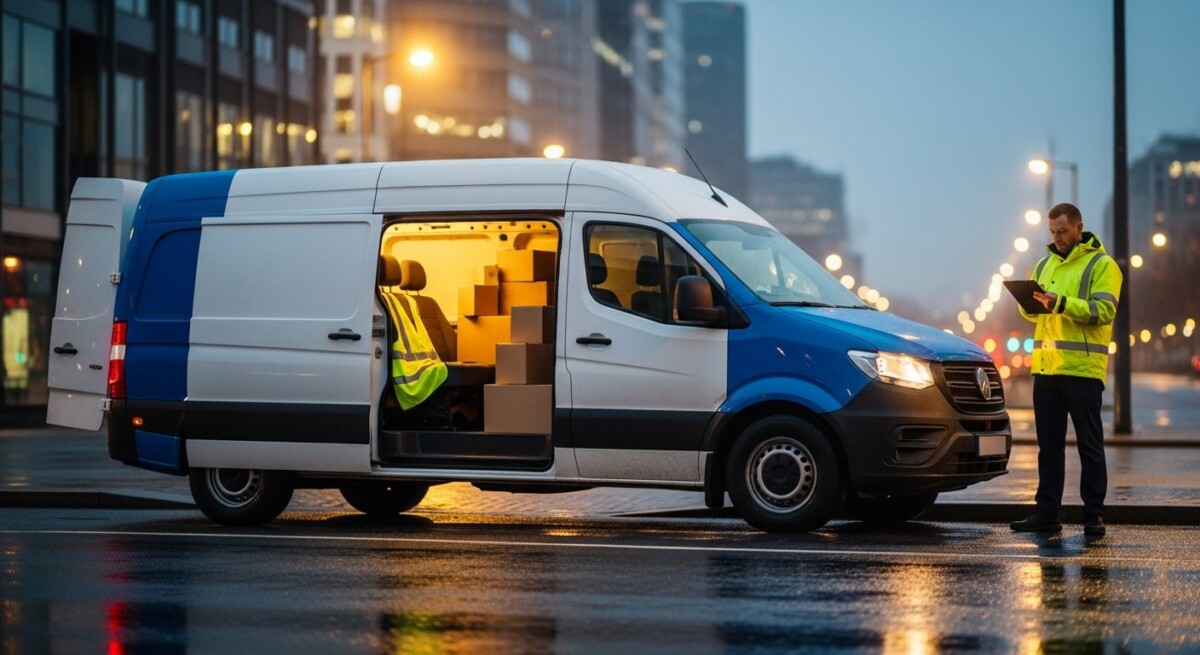
When your business depends on vehicles to deliver goods, transport equipment, or reach clients, a personal auto policy simply will not suffice. Commercial vehicle insurance fills that gap by protecting your company from financial losses tied to accidents, liability claims, and property damage. Without it, one serious incident could wipe out years of hard work. This guide walks through what commercial auto coverage includes, why it matters, and how to choose a policy that fits your operations.
What Is Insurance for Commercial Vehicles?
Insurance for commercial vehicles is a specialized policy designed for cars, trucks, vans, and other vehicles used primarily for business purposes. Unlike personal auto insurance, which assumes the vehicle is used for commuting and errands, commercial policies account for higher mileage, multiple drivers, and increased risk exposure. Coverage typically includes liability for bodily injury and property damage, physical damage to the vehicle itself, and sometimes cargo or equipment inside.
Businesses that often need this type of insurance include delivery services, construction companies, landscaping firms, food trucks, and any operation with a fleet of vehicles. Even a single van used for client meetings or transporting tools may require a commercial policy rather than a personal one. Insurers look at how the vehicle is used, not just what it is, when determining eligibility.
Who Needs Commercial Auto Insurance?
Many business owners mistakenly believe their personal policy covers occasional work-related driving. In reality, most personal auto policies exclude business use or limit it severely. If you drive for hire, carry cargo, or transport employees, you likely need a commercial policy. Here are common scenarios where commercial coverage is required:
- Delivery drivers who transport goods for a fee (pizza, parcels, groceries)
- Contractors hauling tools, equipment, or materials to job sites
- Service businesses like plumbers, electricians, or cleaners using vans
- Rideshare or taxi drivers (though some insurers offer hybrid policies)
- Fleet operations with three or more vehicles under common ownership
If you are unsure whether your business qualifies, review your current policy declarations page. Look for language about business use exclusions. Many policies explicitly state that driving for business purposes voids coverage. In that case, switching to a commercial policy is not optional; it is a legal and financial necessity.
Types of Coverage in a Commercial Policy
Liability Coverage
Liability is the foundation of any commercial auto policy. It covers costs when you or your employee causes an accident that injures someone or damages their property. This includes legal defense fees, medical expenses, and repair or replacement costs. Most states require minimum liability limits, but businesses should consider higher limits to protect assets. A single lawsuit could exceed a low limit quickly.
Physical Damage Coverage
This includes collision and comprehensive coverage. Collision pays for damage to your vehicle from an accident with another car or object. Comprehensive covers non-collision events like theft, vandalism, fire, or weather damage. If you lease or finance your commercial vehicles, the lender will likely require both. Even if you own the vehicles outright, physical damage coverage can prevent a total loss from derailing your operations.
Medical Payments or Personal Injury Protection
Medical payments coverage (MedPay) pays for medical bills for you and your passengers regardless of fault. Personal injury protection (PIP) goes further, covering lost wages and other expenses. This coverage is especially important if your employees frequently ride in company vehicles.
Uninsured/Underinsured Motorist Coverage
This protects you if a driver who causes an accident lacks insurance or has insufficient limits. It covers medical bills and vehicle damage up to your policy limit. Given that one in eight drivers in the U.S. is uninsured, this is a critical addition for any commercial fleet.
Cargo and Equipment Coverage
If your business transports goods, tools, or specialized equipment, consider adding cargo coverage. This pays for loss or damage to items inside the vehicle. For example, a contractor carrying power tools or a florist delivering arrangements would benefit from this endorsement.
Factors That Affect Commercial Insurance Premiums
Insurance companies evaluate several risk factors when pricing a commercial auto policy. Understanding these can help you control costs. Key factors include:
- Vehicle type and value: Heavy trucks cost more to insure than compact vans
- Annual mileage and driving territory: Higher mileage and urban routes increase risk
- Driver history: Accidents, tickets, and experience levels matter
- Business classification: Some industries (like delivery) are considered higher risk
- Claims history: Frequent claims lead to higher premiums
You can lower premiums by implementing safety programs, using telematics to monitor driving behavior, and maintaining a clean claims record. Some insurers offer discounts for defensive driving courses or installing dashcams in fleet vehicles. Shopping around and comparing quotes from multiple carriers is also effective. For more tips on finding affordable coverage, see our guide on choosing the best affordable auto insurance.
How to Choose the Right Policy for Your Business
Selecting the right commercial auto policy requires more than picking the cheapest option. Start by assessing your actual risk exposure. List every vehicle in your fleet, how it is used, who drives it, and what it carries. Then determine the minimum liability limits required by your state and whether your contracts mandate higher limits. If you work with clients who require proof of insurance, check their minimum requirements as well.
Next, decide on deductibles. A higher deductible lowers your premium but means more out-of-pocket costs if you file a claim. For businesses with strong cash reserves, a high deductible can be a smart tradeoff. For startups with tighter budgets, a lower deductible may provide peace of mind even if the premium is higher.
Finally, review the policy exclusions carefully. Some policies exclude certain driver types (e.g., drivers under 21) or specific uses (e.g., hauling hazardous materials). Make sure the policy matches how you actually operate. If you have questions, consult a licensed agent who specializes in commercial lines. They can help you navigate complex terms and ensure you are not underinsured.
Common Mistakes Business Owners Make
One of the most frequent errors is using a personal policy for business driving. As mentioned, this can lead to denied claims and personal liability. Another mistake is failing to update the policy when adding new vehicles or drivers. An undisclosed driver operating a company vehicle can void coverage for the entire fleet. Similarly, not reporting a change in business operations (like expanding into a new delivery area) can result in gaps.
Some business owners also overlook the importance of non-owned auto liability. This covers accidents caused by employees using their own vehicles for company business. If a salesperson crashes their personal car while visiting a client, your business could still be sued. Non-owned auto liability fills that gap. For a deeper look at coverage essentials, read our article on 3 essential aspects to know about car insurance for college students (the principles about understanding exclusions apply equally to commercial policies).
Seasonal and Part-Time Commercial Use
Not every business uses vehicles year-round. Landscapers, snow removal companies, and seasonal event vendors may only need coverage for part of the year. Many insurers offer seasonal policies or suspension options that reduce premiums during off months. However, be careful: if you cancel the policy entirely and then start using the vehicle again, you may face a lapse in coverage that raises future rates. Instead, ask about a stored vehicle endorsement or reduced coverage period.
Part-time commercial use is another gray area. If you drive a personal vehicle for occasional business errands, some insurers offer a business use endorsement on a personal policy. This is less expensive than a full commercial policy but still provides liability protection. Check with your insurer to see if this option is available in your state.
Frequently Asked Questions
Can I insure a commercial vehicle under my personal auto policy?
Generally, no. Personal auto policies exclude business use, especially if the vehicle is used for delivery, transport of goods, or carrying employees. Doing so could result in a denied claim. You need a commercial policy or a business use endorsement.
How much does commercial vehicle insurance cost?
Premiums vary widely based on vehicle type, usage, driving history, and location. A small van for a service business might cost $1,000 to $2,000 per year, while a heavy truck with high mileage could exceed $5,000. Getting multiple quotes is the best way to find competitive pricing.
What is the difference between commercial auto and business auto insurance?
These terms are often used interchangeably. Both refer to policies covering vehicles used for business purposes. Some insurers use “commercial auto” for trucks and heavy vehicles and “business auto” for cars and light trucks, but the coverage principles are the same.
Does commercial insurance cover employees driving their own cars?
Not automatically. You need a separate endorsement called “non-owned auto liability” or “hired and non-owned auto insurance” to cover employees using personal vehicles for business tasks. This is especially important for businesses with field sales teams or remote workers.
What should I do after a commercial vehicle accident?
Ensure everyone is safe and call emergency services if needed. Exchange information with the other driver but do not admit fault. Notify your insurance company as soon as possible. Document the scene with photos and gather witness contact information. For a step-by-step process, see our guide for first-time drivers on affordable auto insurance (the claims process is similar for commercial policies).
Choosing the right insurance for commercial vehicles is a business decision that protects your bottom line and your reputation. By understanding the types of coverage available, evaluating your specific risks, and shopping carefully, you can secure a policy that keeps your operations running smoothly. Whether you run a single van or a fleet of trucks, the right coverage gives you confidence on the road. If you are a new business owner, our new driver’s guide to affordable auto insurance offers additional insights that apply to commercial contexts as well. Take the time to review your options today; it is an investment that pays off when you need it most.