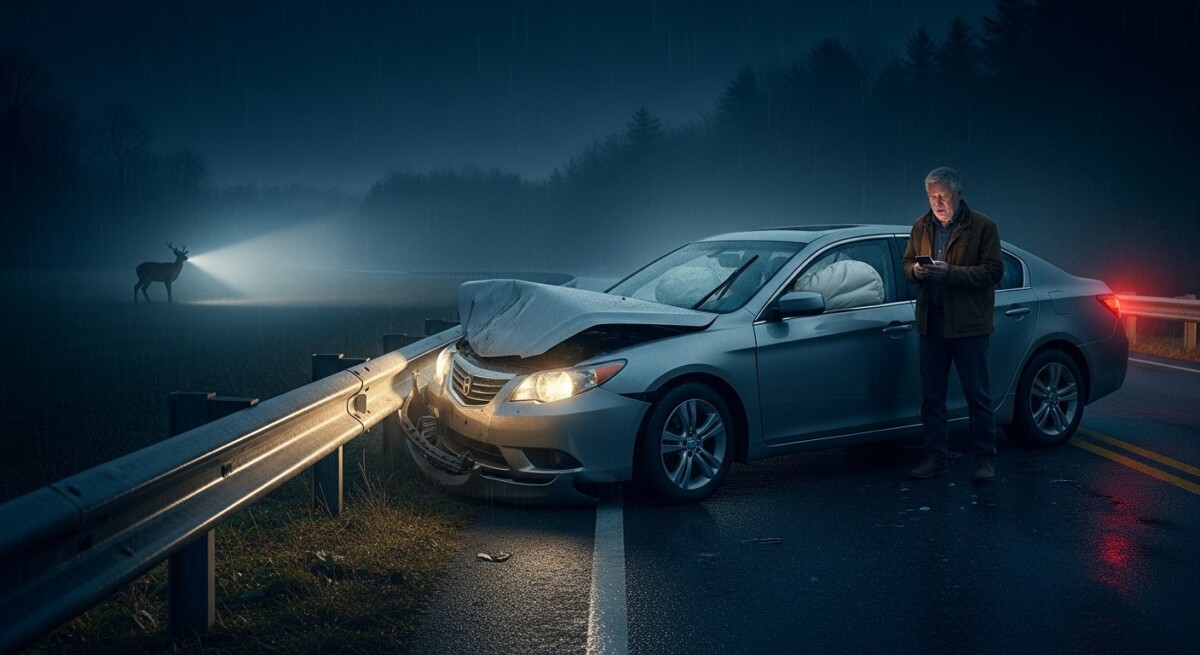
Imagine driving your car on a rainy night when a deer leaps across the road. You swerve, hit a guardrail, and the front end crumples. In that moment, your mind races not just with shock but with questions: Who pays for this? Will my insurance help? Understanding insurance coverage for personal vehicles is the difference between a stressful repair process and a smooth recovery. This article breaks down the essential coverages, exclusions, and smart strategies so you can protect your car, your finances, and your peace of mind.
What Is Insurance Coverage for Personal Vehicles?
Insurance coverage for personal vehicles refers to a policy that protects you, your car, and others when you drive. Unlike commercial auto insurance for business use, personal vehicle coverage is designed for daily commuting, errands, road trips, and recreational driving. Policies vary by state, but most share a common structure: you pay a premium, and the insurer agrees to cover certain losses in exchange.
The core idea is risk transfer. Instead of paying thousands of dollars out of pocket after an accident, you pay a predictable monthly or annual premium. In return, the insurer handles covered claims. However, not every event is covered. Knowing what is included and what is excluded helps you avoid surprise bills. For a deeper look at how different plans stack up, see our guide on auto insurance coverage comparison: a smart guide.
Mandatory Coverages by State
Every state except New Hampshire and Virginia requires some form of liability insurance. Liability coverage pays for injuries or property damage you cause to others. It does not pay for your own vehicle or injuries. Most states set minimum liability limits, such as 25/50/25 (meaning $25,000 per person for bodily injury, $50,000 per accident total, and $25,000 for property damage).
Driving without the required minimum can lead to fines, license suspension, or even jail time in some states. Even if your state does not mandate coverage, carrying liability insurance is wise. A single at-fault accident can result in lawsuits that drain your savings. For example, if you rear-end a luxury car and injure its driver, medical bills and repair costs can easily exceed $100,000. Minimum limits may not be enough, which is why many experts recommend higher limits like 100/300/100.
Uninsured and Underinsured Motorist Coverage
Some states also require uninsured motorist (UM) coverage. This pays for your injuries if a driver without insurance hits you. Underinsured motorist (UIM) coverage steps in when the at-fault driver’s limits are too low to cover your full damages. Even in states where UM/UIM is optional, adding it is a low-cost way to protect yourself against the growing number of uninsured drivers.
Optional Coverages That Strengthen Protection
While liability is mandatory, other coverages are optional but highly recommended. These are the layers that turn basic insurance coverage for personal vehicles into a robust safety net.
- Collision coverage: Pays for damage to your car from hitting another vehicle or object, regardless of fault. Useful for newer or financed vehicles.
- Comprehensive coverage: Covers non-collision events like theft, vandalism, fire, flood, hail, or hitting an animal. It is often paired with collision.
- Medical payments (MedPay) or personal injury protection (PIP): Covers medical expenses for you and your passengers after an accident, regardless of fault. PIP is broader and may include lost wages.
- Rental reimbursement: Pays for a rental car while yours is being repaired after a covered claim.
- Towing and roadside assistance: Covers flat tires, lockouts, jump-starts, and towing to a repair shop.
Each optional coverage adds cost, but the trade-off is significant financial protection. For instance, comprehensive coverage costs roughly $100 to $200 per year on average, yet a single hailstorm can cause thousands in damage. Without it, you pay the entire repair bill. For a detailed breakdown of these options, read auto insurance coverage comparison: find your best fit.
Factors That Affect Your Premium
Insurance companies use many factors to set your rate. Understanding them helps you find ways to save. Common rating factors include:
- Driving record: Accidents and tickets raise premiums. A clean record earns discounts.
- Vehicle type: Sports cars cost more to insure than sedans due to higher repair costs and theft risk.
- Location: Urban areas with more traffic and theft have higher rates than rural areas.
- Age and gender: Young drivers and males under 25 pay more due to statistical risk.
- Credit score: In most states, a higher credit score leads to lower premiums because it correlates with fewer claims.
- Annual mileage: Driving fewer miles reduces exposure and can lower your rate.
You can influence some factors, like maintaining a clean record or bundling policies. Others, like your age, are fixed. The key is to shop around and compare quotes from multiple insurers. Even a small difference in rate can save hundreds over a year. For a structured approach to choosing coverage, explore how to choose the best auto insurance coverage options.
Common Exclusions and Gaps
Even the best policy has exclusions. Knowing them prevents rude awakenings. Standard exclusions include:
- Intentional damage: If you deliberately crash your car, the insurer will not pay.
- Racing or track use: Driving on a racetrack or participating in speed contests voids coverage.
- Business use: If you use your personal vehicle for delivery or ride-sharing without proper endorsement, claims may be denied.
- Wear and tear: Mechanical breakdowns, rust, and normal aging are not covered.
- Driving without a valid license: If you or a listed driver lacks a valid license, coverage may not apply.
Another common gap is the difference between the actual cash value (ACV) of your car and the loan balance. If your car is totaled, collision pays ACV, which is the car’s depreciated value. If you owe more than that, you face a gap. Gap insurance covers that difference, and it is often required by lenders for financed vehicles.
How to Choose the Right Deductible
Your deductible is the amount you pay out of pocket before insurance kicks in. Common deductibles are $500, $1,000, and $2,500. Choosing a higher deductible lowers your premium but increases your financial risk if you have a claim.
Think of it as a trade-off. If you have an emergency fund of $2,000, you can afford a $1,000 deductible. That might save you 15-20% on your premium compared to a $500 deductible. Conversely, if you have little savings, a lower deductible is safer even if the premium is higher. A good rule of thumb: set your deductible to an amount you could comfortably pay from savings without borrowing.
Special Considerations for Different Vehicles
Insurance coverage for personal vehicles is not one-size-fits-all. The type of car you drive matters. For example, an antique or classic car requires specialized coverage that values the vehicle at an agreed amount rather than depreciated value. Standard policies often undervalue collectible cars.
Similarly, if you own a motorcycle, RV, or camper van, you need a policy designed for that vehicle type. Personal auto policies typically exclude these vehicles unless you add a specific endorsement or buy a separate policy. If you use your car for ride-sharing with Uber or Lyft, you need a hybrid policy or a rideshare endorsement to cover gaps during the period when the app is on but you have not yet accepted a passenger.
For a comprehensive overview of how coverage works across different vehicle categories, visit auto insurance coverage types explained clearly.
Frequently Asked Questions
What is the minimum insurance coverage required for personal vehicles?
Minimum requirements vary by state. Most states require liability insurance for bodily injury and property damage. Some also require uninsured motorist coverage or personal injury protection. Check your state’s department of insurance website for exact limits.
Does insurance coverage for personal vehicles cover rental cars?
Your personal policy usually extends to rental cars, but only if you have comprehensive and collision coverage on your own vehicle. The rental car is covered at the same levels and deductibles. If you only carry liability, the rental car’s damage is not covered. Consider buying rental car insurance from the rental agency if you lack full coverage.
Can I add a teenage driver to my policy?
Yes, but adding a teen driver increases your premium significantly. Many insurers offer good student discounts, driver training discounts, and telematics programs that monitor safe driving to lower the cost. You must list all licensed household members on your policy to ensure coverage.
What happens if I let someone else drive my car?
In most cases, your insurance follows the car, not the driver. If you lend your car to a friend and they cause an accident, your policy pays first. If your limits are exhausted, the friend’s policy may provide secondary coverage. However, if the friend lives in your household and is not listed on your policy, a claim could be denied.
Making an Informed Decision
Choosing the right insurance coverage for personal vehicles is about balancing cost, risk, and peace of mind. Start by understanding your state’s requirements, then layer on optional coverages based on your vehicle’s value, your savings, and your driving habits. Compare quotes from multiple insurers at least once a year, because rates change and new discounts become available.
Remember that the cheapest policy is not always the best. A low premium with high deductibles and minimal coverage can leave you financially exposed. Instead, aim for a policy that protects your assets and fits your budget. By staying informed and reviewing your coverage regularly, you ensure that when the unexpected happens, you are ready.