
How Vehicle Make and Model Affect Car Insurance Rates
Vehicle make and model affect car insurance rates through repair costs, theft rates, and safety ratings. Call (833)-214-7506 to compare quotes and save.

By Isobel Crane
When you shop for a new or used car, the sticker price is only one part of the ownership cost. The make and model you choose can swing your auto insurance premium by hundreds or even thousands of dollars per year. Two vehicles with similar purchase prices, driven by the same person, in the same ZIP code, can receive dramatically different quotes. Insurers view each vehicle as a unique bundle of risk: how much it costs to repair, how often it gets stolen, how well it protects occupants in a crash, and how likely it is to be involved in a claim. Understanding how vehicle make and model affect car insurance rates gives you leverage before you sign a sales contract and helps you avoid surprise bills after you drive off the lot.
The Core Factors Insurers Weigh When They Rate a Vehicle
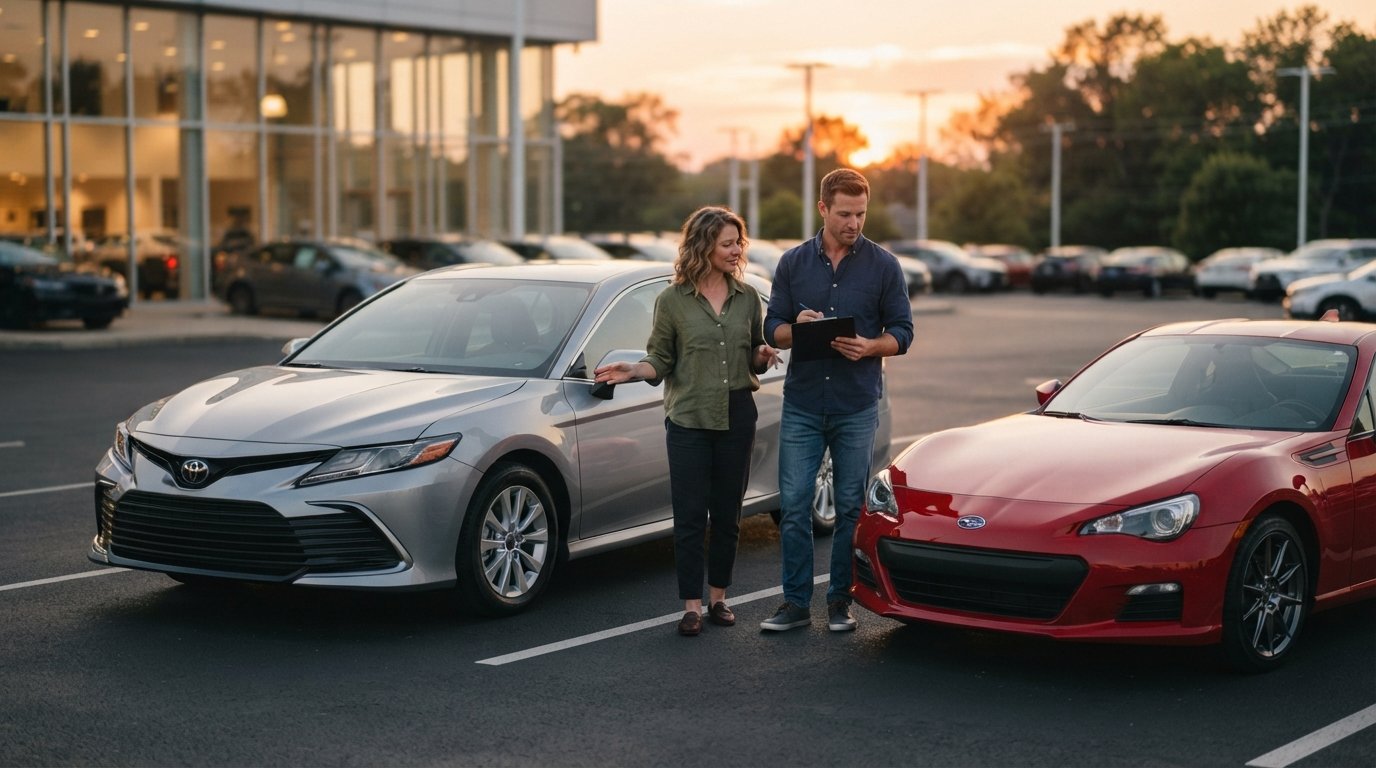
Insurance companies use actuarial data and claims history to predict the likelihood and cost of a future claim for every vehicle on the road. They do not simply look at the MSRP. Instead, they examine the vehicle through several risk lenses at once. The most influential factors are repair costs, theft frequency, safety ratings, and the vehicle's overall claims record for that specific make and model. A sports car with a high-performance engine might be expensive to repair and attractive to thieves, while a mid-size sedan with abundant parts and a strong crash-test record may cost far less to insure even if its purchase price is similar.
Another critical component is the cost of parts and labor. Vehicles built with advanced materials, complex electronics, or imported components often cost more to fix after a collision. If a bumper replacement requires recalibrating sensors or replacing expensive radar units, the insurer pays more, and that cost is passed to you in the form of higher premiums. Insurers also track the frequency of claims, not just the severity. A model that is frequently involved in fender-benders or comprehensive claims (theft, vandalism, weather) will carry a higher base rate than a model with a clean claims history.
Vehicle age and model year also matter, but not always in the direction drivers expect. Newer vehicles often cost more to insure because they are worth more and require expensive parts, but they may also have advanced safety features that earn discounts. Older vehicles may have lower physical damage premiums, but if they lack modern safety equipment, medical payment and liability costs could rise. The interplay of these factors is why you cannot assume that a cheaper car always means cheaper insurance.
Repair Costs and Parts Availability: The Hidden Premium Driver
Repair costs are one of the most direct ways vehicle make and model affect car insurance rates. When an insurer prices collision and comprehensive coverage, it considers how much it will cost to restore your vehicle to pre-accident condition. A vehicle with widely available, inexpensive parts and simple construction will cost less to repair than a vehicle with proprietary components, complex electronics, or exotic materials. For example, a mainstream compact sedan might need a common bumper cover that costs a few hundred dollars, while a luxury SUV could require a bumper cover with integrated parking sensors and cameras that costs several thousand dollars before labor.
Parts availability also plays a role. If a vehicle is rare or imported, replacement parts may take weeks to arrive, and insurers may pay for rental cars during that time. Those additional costs are factored into the premium. Vehicles from manufacturers with a strong parts distribution network and a history of affordable repairs tend to receive more favorable rates. This is why some economy cars and mid-size family vehicles are consistently cheaper to insure than European luxury models or niche performance cars, even when their purchase prices are similar.
Trim levels and optional packages further complicate repair cost estimates. A base model with halogen headlights may cost far less to repair than a top-trim version with adaptive LED headlights that require calibration. The same make and model can have very different insurance costs depending on which trim you buy. When you request quotes, always provide the exact trim and options so the insurer can rate the vehicle accurately.
Theft Rates and Comprehensive Coverage
Theft rates are another major factor. Insurers track which vehicles are most frequently stolen and how much it costs to recover or replace them. A model that appears on frequently stolen vehicle lists will carry higher comprehensive coverage premiums because the insurer faces a greater likelihood of paying a theft claim. High-theft vehicles may also be targeted for parts, which increases the cost of repairs and the risk of total loss. If you are considering a vehicle that is popular with thieves, expect to pay more for comprehensive coverage, even if your driving record is spotless.
Location interacts with theft rates. A vehicle that is rarely stolen in rural areas might be a frequent target in a dense city. Insurers use regional theft data, so the same make and model can have different comprehensive rates depending on where you garage it. This is why you should always get quotes based on your actual address, not a generic ZIP code. If you are dealing with a high-risk profile for other reasons, such as a prior lapse in coverage, our guide on navigating high-risk car insurance rates explains how to address those challenges alongside vehicle choice.
Safety Ratings and Crash-Test Performance
Safety ratings directly influence liability and medical payments premiums. Vehicles that perform well in crash tests are less likely to result in severe injuries, which reduces the insurer's exposure to bodily injury claims. A model with a top safety pick designation, standard forward collision warning, automatic emergency braking, and strong occupant protection will often qualify for safety discounts and lower base rates. Conversely, a vehicle with poor crash-test scores or a lack of modern safety features may be rated higher because the insurer expects higher medical costs in the event of an accident.
Safety features can also reduce the frequency of claims. Automatic emergency braking and lane departure warning can prevent collisions altogether, which benefits both the insurer and the driver. Many carriers offer specific discounts for vehicles equipped with these technologies. However, the discount is usually applied to the base rate, so a vehicle with a high base rate due to repair costs may still be expensive even after the safety discount. The key is to compare the net premium after all discounts, not just the discount percentage.
It is also worth noting that safety ratings are not static. A model that was a top safety pick five years ago may have been surpassed by newer competitors. Insurers update their rating factors as new crash-test results and claims data become available. When shopping for a used vehicle, check the safety ratings for the specific model year you are considering, not just the current year's rating.
Vehicle Categories That Typically Cost Less to Insure
While individual models vary, some vehicle categories tend to have lower insurance costs overall. These categories share characteristics such as moderate repair costs, lower theft rates, strong safety records, and a lower likelihood of aggressive driving claims. The following list highlights categories that often insure for less, though you should always confirm with actual quotes for the specific make, model, and trim you are considering.
- Mid-size sedans and family cars: These vehicles typically have affordable parts, strong safety ratings, and lower theft rates. They are not usually associated with high-performance driving, which can reduce liability risk.
- Small SUVs and crossovers with standard safety tech: Many modern compact SUVs earn top safety ratings and offer automatic emergency braking as standard equipment, which can lower premiums.
- Minivans: Although less popular than SUVs, minivans often have low theft rates, moderate repair costs, and a safety-focused design that appeals to insurers.
- Pickup trucks (non-commercial, personal use): Some full-size pickups have low theft rates and affordable parts, though heavy-duty or luxury trims can be more expensive to insure.
These categories are not guarantees. A high-trim small SUV with expensive sensors and panoramic sunroofs may cost more to insure than a base mid-size sedan. Similarly, a pickup truck used for business purposes will be rated differently from one used only for personal errands. The category is a starting point, not a final answer. Always compare quotes for the exact vehicle you plan to buy.
Trim Levels, Options, and Safety Packages
The same make and model can have a wide range of insurance costs depending on trim level and optional equipment. A base trim with cloth seats, halogen headlights, and no advanced driver assistance systems will usually cost less to repair than a top trim with leather seats, adaptive headlights, a panoramic sunroof, and a full suite of sensors. The insurer rates the vehicle based on the cost to replace or repair the specific configuration, so the VIN and trim matter. When you get a quote, provide the VIN if possible, or at least the exact trim and option packages.
Optional safety packages can cut both ways. A package that adds automatic emergency braking, blind spot monitoring, and rear cross-traffic alert may qualify for safety discounts and reduce the likelihood of a claim. However, the same package adds sensors and cameras that increase repair costs if the vehicle is damaged. The net effect on your premium depends on the insurer's rating model. Some carriers discount heavily for safety tech; others are more focused on repair costs. This is why comparing quotes from multiple insurers is essential: each company weighs these factors differently.
Aftermarket modifications can also affect rates. If you add a custom sound system, lift kit, or performance tuning, you may need to endorse your policy to cover the modifications, which can increase your premium. Even if you do not add coverage, some insurers may surcharge for modifications that increase theft or repair risk. Always disclose modifications to your insurer to avoid claim disputes.
Using Model-Level Cost Data When Comparing Quotes
Before you buy a vehicle, use model-level insurance cost data as part of your comparison. Many insurance comparison sites and consumer resources publish average premiums by make and model, often broken down by body style and trim. These averages are not personalized quotes, but they can help you identify vehicles that are likely to be expensive or inexpensive to insure. If you are considering two vehicles with similar purchase prices, check the average insurance cost for each to see which one fits your budget.
When you request quotes, be consistent. Provide the same driver information, coverage limits, deductibles, and usage details for each vehicle you compare. If you change coverage levels between quotes, you will not get a fair comparison. Also, ask the insurer whether the quote includes any safety or anti-theft discounts and whether those discounts are applied to the base rate or the final premium. A large discount on a high base rate may still leave you with a higher premium than a smaller discount on a lower base rate.
If you are financing a vehicle, your lender may require comprehensive and collision coverage, which makes repair and theft ratings even more important. If you are paying cash and choosing liability-only coverage, the vehicle's repair cost matters less, but liability risk still depends on the vehicle's safety and claims history. In either case, the make and model affect your rates, just through different coverage lines.
For drivers who need flexible financing options before purchasing a vehicle, AutoTitleLoan connects consumers with auto loan financing options, including those who may have faced rejection from traditional lenders. While financing and insurance are separate, understanding your financing options can help you budget for both the vehicle and its insurance costs.
Practical Steps to Control Vehicle-Related Premiums
You can take several practical steps to manage how vehicle make and model affect your car insurance rates. First, research average insurance costs for any vehicle on your shortlist before you negotiate the purchase price. Second, choose a trim level that balances safety features with reasonable repair costs; a mid-level trim often provides the best combination of safety tech and affordable parts. Third, ask about safety and anti-theft discounts, and confirm that the vehicle qualifies. Fourth, consider a higher deductible for comprehensive and collision coverage if you can afford the out-of-pocket cost, which can lower your premium. Fifth, shop around: insurers weight vehicle factors differently, so quotes for the same vehicle can vary significantly.
Finally, remember that your driving record, location, credit history (where allowed), and coverage choices also affect your premium. The vehicle is one piece of the puzzle. If you are considering a high-performance or luxury vehicle, get quotes before you buy so you know the true cost of ownership. If you are considering a vehicle that is frequently stolen or expensive to repair, factor that into your budget. A slightly less flashy model with strong safety ratings and affordable parts could save you hundreds of dollars per year, money you can put toward maintenance, fuel, or other financial goals.
Vehicle make and model affect car insurance rates through a complex web of repair costs, theft rates, safety ratings, and claims history. By understanding these factors and using model-level cost data during your shopping process, you can choose a vehicle that fits your budget both at the dealership and at renewal time. Take the time to compare quotes for the exact make, model, and trim you plan to buy, and ask about every discount you qualify for. Your diligence can turn a confusing premium into a predictable, manageable expense.