
How to Prove Insurance After a Lapse or Cancellation
Prove insurance after a lapse or cancellation with the right documents and fast steps. Call 8332147506 for expert guidance on reinstatement and new coverage.

By Elowen Parker
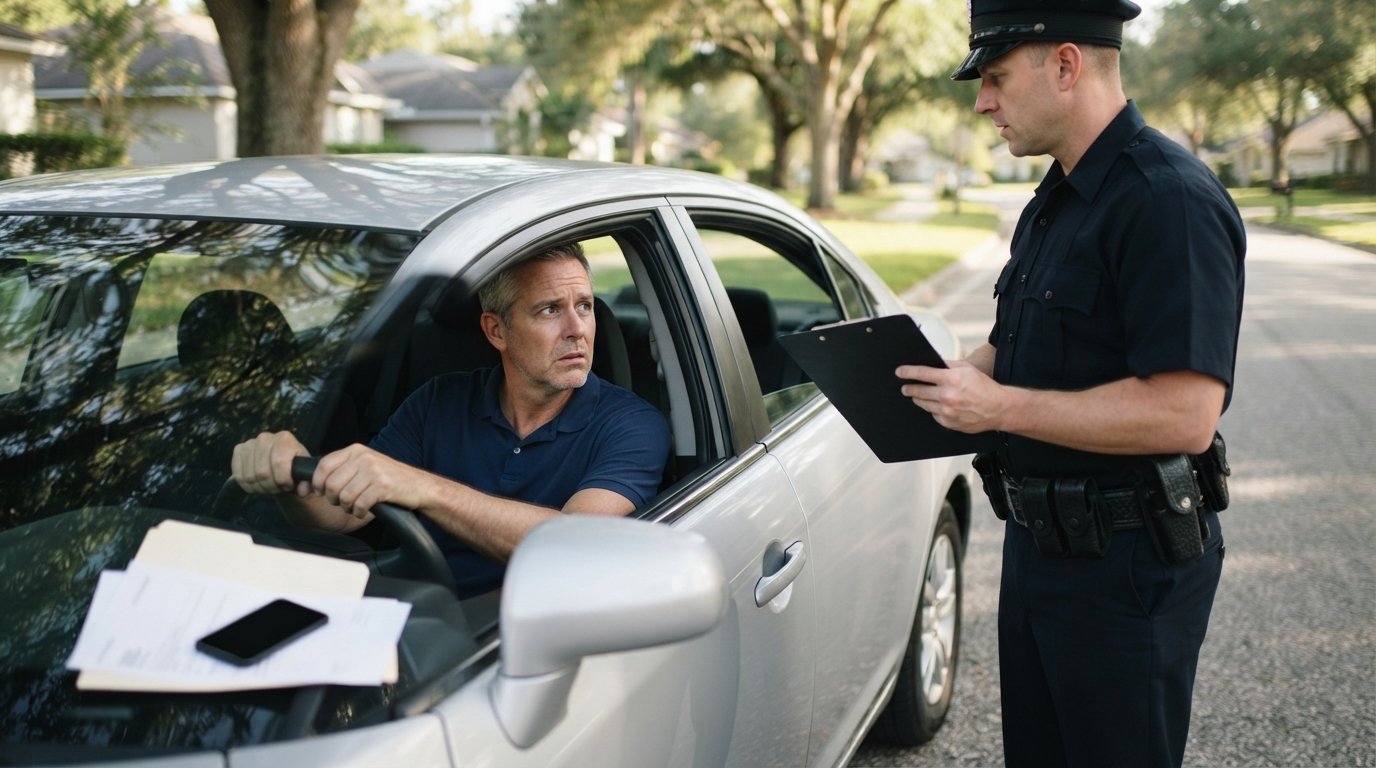
Your auto insurance policy lapsed three weeks ago, and now a police officer is asking for proof of coverage at a traffic stop. Or perhaps you are sitting in a dealership finance office, and the manager needs evidence that your vehicle is insured before you can drive off the lot. Maybe you are trying to reinstate your policy after a cancellation and the insurer wants documentation of continuous coverage. Whatever the scenario, knowing how to prove insurance after a lapse or cancellation can mean the difference between driving legally and facing fines, license suspension, or higher premiums. The good news is that proof of insurance exists in more forms than most drivers realize, and even a lapsed policy leaves a paper trail you can use.
This guide walks you through every practical method for proving insurance coverage when your policy has lapsed or been cancelled. You will learn which documents count as acceptable proof, how to obtain them quickly, and what to do if you need to demonstrate coverage to an insurer, a court, or a state agency. Whether you are dealing with a brief gap or a longer cancellation period, the steps below will help you navigate the process with confidence.
Understanding What Counts as Proof of Insurance
Before diving into the specifics of proving coverage after a lapse, it helps to understand what types of documentation are generally accepted as valid proof of insurance. Different entities (law enforcement, courts, insurers, state DMVs) may have slightly different requirements, but most accept a core set of documents. Knowing these options ahead of time allows you to act quickly when you need to demonstrate coverage.
The most common forms of proof include an insurance identification card, a declarations page from your policy, a certificate of insurance, or a letter from your insurer confirming coverage dates. If your policy is active but you simply lost your card, replacing it is straightforward. If your policy has lapsed, you may need to provide historical documents that show you had coverage during a specific period, or you may need to secure new coverage and then prove that new policy is in force.
Here are the primary documents that typically satisfy a request for proof of insurance:
- Insurance ID card: A wallet-sized card issued by your insurer showing your name, policy number, vehicle information, and effective dates.
- Declarations page: A summary document from your policy that outlines coverage types, limits, deductibles, and the policy period.
- Certificate of insurance: Often used for commercial vehicles or special events, this certifies that coverage exists for a specific vehicle or driver.
- Insurer letter: A formal letter on company letterhead confirming your coverage history, including start and end dates.
- Digital proof: Many states now accept electronic images of your insurance card displayed on a smartphone.
It is important to note that a lapse in coverage does not erase your insurance history. Even if your policy is no longer active, your former insurer retains records of when you were covered. That history can be used to prove you had insurance during a past period, which is often what courts or insurers need to see. If you are dealing with a cancellation and need to reinstate your policy, having this documentation ready can speed up the process significantly.
Steps to Prove Insurance After a Lapse or Cancellation
When your coverage has lapsed or been cancelled, the approach to proving insurance depends on who is asking and why. A police officer at a traffic stop has different needs than an insurer reviewing your reinstatement application. Below is a step-by-step framework that covers the most common situations. Following these steps in order will help you gather the right documents and present them effectively.
Step 1: Identify who needs the proof and what they will accept. Ask the requesting party directly what form of documentation satisfies their requirement. A court may accept a letter from your insurer, while a dealership might need to see an active policy before releasing the vehicle. Knowing the specific requirement prevents wasted effort.
Step 2: Contact your former or current insurer. If you had coverage that lapsed, call the insurer that held your policy. Request a letter of experience or a declarations page showing your coverage dates. If you have secured new coverage, request an ID card or certificate immediately. Most insurers can email these documents within minutes or hours.
Step 3: Access your online account or mobile app. Nearly every major insurer provides digital access to policy documents. Log in to your account and download your ID card, declarations page, or proof of coverage letter. If you no longer have access because your policy was cancelled, call customer service and ask for copies to be sent to your email.
Step 4: Check your state DMV or motor vehicle agency. Many states maintain insurance verification databases. If your insurer reported your coverage to the state, the DMV may already have a record. You can request a copy of your insurance history or verification letter from the state, which can serve as proof in some situations.
Step 5: Secure new coverage if needed. If your lapse is ongoing and you need to prove insurance immediately, purchasing a new policy is often the fastest solution. Once the new policy is active, you will receive an ID card and can present that as proof. Be prepared for higher premiums after a lapse, but getting covered quickly minimizes further consequences.
If you are working through a reinstatement process, our guide on lapsed auto insurance reinstatement explains how to restore your original policy and avoid common pitfalls. Reinstatement can sometimes be faster than starting fresh, especially if your lapse was brief.
Proving Coverage to Law Enforcement
Being pulled over and unable to show proof of insurance is a stressful experience. If your policy has lapsed, you cannot show an active ID card, but you still have options. Officers typically want to verify that you had coverage at the time of the stop or that you have since obtained coverage. Explaining your situation calmly and providing any documentation you have can help reduce the severity of penalties.
If you have an active policy but left your card at home, many states allow you to show a digital copy on your phone. If you have no active coverage, you may receive a citation that requires you to provide proof of insurance within a certain number of days. In that case, you can purchase a new policy and present the new ID card to the court or the DMV to have the citation dismissed or reduced. Some states offer a grace period or allow you to pay a fine instead of facing license suspension.
It is critical to act quickly after a traffic stop involving a lapse. Courts often give you a short window (typically 10 to 30 days) to provide proof of coverage. If you miss that deadline, the consequences can escalate to license suspension, registration cancellation, or mandatory SR-22 filing. Contact your insurer immediately to obtain whatever documentation you can, and if you need new coverage, start the process the same day.
Providing Proof to Insurers and During Reinstatement
When you apply for a new policy after a lapse, insurers will ask about your coverage history. They want to know how long you were without insurance and whether you had continuous coverage before the gap. Providing accurate documentation helps them assess risk and may reduce the impact of the lapse on your premium. Some insurers offer lower rates to drivers who can show they had coverage for years before the lapse, even if there was a short gap.
If you are trying to reinstate a cancelled policy, the insurer will typically require proof that you have resolved the reason for cancellation. For example, if your policy was cancelled for non-payment, you may need to pay the outstanding balance and provide proof of payment. If it was cancelled for excessive claims or violations, you may need to provide documentation showing those issues are resolved. In some cases, the insurer may simply require a new down payment and a signed statement.
During reinstatement, having your previous declarations page, payment receipts, and any correspondence with the insurer can streamline the process. If you are unsure where to start, our article on lapsed auto insurance reinstatement covers the full procedure, including how to negotiate with your insurer and what to expect regarding fees and rate changes.
Using Digital and Online Tools to Access Proof
Technology has made proving insurance far easier than it was a decade ago. Most insurers now provide mobile apps and online portals where you can download ID cards, view policy documents, and request letters instantly. If your policy is active, you can often pull up a digital ID card within seconds. If your policy has lapsed, you may still be able to log in and access historical documents, depending on the insurer's policies.
State DMV websites also offer insurance verification services. In many states, you can enter your driver's license number and license plate to check whether your insurance is on file. If the state has a record of your coverage, you may be able to print a verification letter directly from the website. This is particularly useful if you need to prove coverage to a court or another agency.
For drivers who are between policies or searching for new coverage, comparison tools can help you quickly find and purchase a policy that meets your state's minimum requirements. Once you have a new policy in force, you will receive digital proof immediately, which you can present wherever needed. If you are looking for free, no-obligation quotes from multiple carriers, you can visit FreeAutoInsuranceQuotesOnline to compare options and get covered fast.
What to Do If You Cannot Find Any Documentation
In some cases, you may genuinely have no paperwork from a former insurer, especially if the policy was cancelled years ago or the company has merged or gone out of business. If you cannot locate any documentation, do not panic. There are still ways to reconstruct your insurance history.
Start by contacting your state department of insurance. They often have records of which companies were licensed to operate in the state and can help you identify a successor company if your original insurer merged. You can also request a copy of your official driving record from the DMV, which sometimes includes insurance verification information reported by insurers.
If you are trying to prove coverage for a court or legal matter, a subpoena or formal request to your former insurer may be necessary. Insurers are required to retain policy records for a certain number of years, typically three to seven depending on the state. Even if you cannot access them directly, a legal request can compel the insurer to produce them. In the meantime, purchasing a new policy and providing that proof is often the most practical solution for immediate needs.
Consequences of Driving Without Proof and How to Avoid Them
Driving without proof of insurance can lead to serious consequences that go beyond a simple ticket. In most states, a first offense may result in a fine, but repeat offenses or failure to provide proof within a specified period can lead to license suspension, vehicle impoundment, or mandatory SR-22 insurance requirements. These penalties can follow you for years and significantly increase your insurance costs.
The best way to avoid these consequences is to maintain continuous coverage and keep proof accessible at all times. Set reminders for payment due dates, enroll in automatic payments, and store a digital copy of your ID card on your phone. If you know your policy is about to lapse, contact your insurer immediately to discuss options. Many insurers offer short extensions or payment plans that can prevent a lapse altogether.
If you have already experienced a lapse or cancellation, acting quickly to secure new coverage and gather proof is the most effective way to minimize damage. The longer you drive without insurance, the greater the risk of fines, accidents, and financial liability. Even a single day without coverage can be costly if you are involved in an accident.
Frequently Asked Questions About Proving Insurance After a Lapse
Can I use an old insurance card as proof? An expired insurance card is generally not accepted as proof of current coverage. However, it can serve as evidence of past coverage if you need to show you were insured during a specific period.
How long does it take to get proof of insurance from my insurer? If your policy is active, you can usually download an ID card instantly from your online account or app. If you need a letter of experience or historical documents, it may take one to three business days.
Will a lapse affect my ability to get new insurance? Yes, a lapse can increase your premiums and some insurers may decline to cover you. However, many carriers specialize in high-risk drivers and can offer coverage, especially if you can show you had insurance before the gap.
What if my insurer went out of business? Contact your state department of insurance. They can help you locate records or identify a successor company that may have your policy history.
Can I prove insurance with a bank statement? In some cases, a bank statement showing a payment to an insurance company may be accepted as secondary proof, but it is not a substitute for an ID card or declarations page. Always provide the most official documentation available.
Proving insurance after a lapse or cancellation is a manageable process when you know where to look and what documents to request. Whether you need to satisfy a police officer, a court, or a new insurer, the steps outlined above will help you gather the right proof quickly. Remember that maintaining continuous coverage is the best way to avoid these situations altogether, and if you do experience a lapse, acting fast can save you time, money, and stress.