
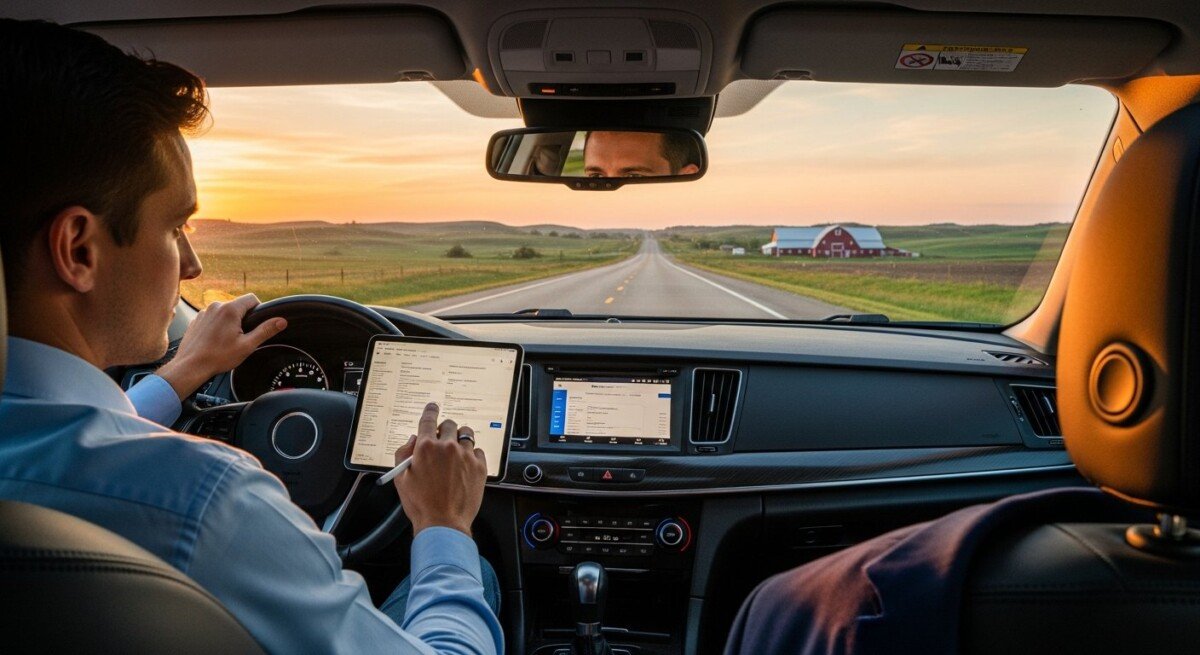
How to Get the Best Auto Insurance Quotes in Nebraska
Get the best value on your Nebraska car insurance. For personalized assistance comparing quotes, call 833-214-7506.

By Tamsin Reed
Navigating the roads of Nebraska, from the bustling streets of Omaha to the expansive stretches of I-80, requires reliable transportation and equally reliable protection. For Cornhusker drivers, securing the right auto insurance policy is not just a legal mandate, it’s a critical component of financial security. Yet, the process of shopping for coverage often feels overwhelming, with countless companies and fluctuating rates. The key to unlocking both savings and peace of mind lies in understanding how to effectively compare auto insurance quotes in Nebraska. This guide will walk you through the local factors that influence your premium, the specific coverage required by state law, and a strategic approach to obtaining and evaluating quotes to ensure you get the best value for your unique driving profile.
Understanding Nebraska’s Auto Insurance Landscape
Nebraska operates under a traditional fault-based system, often called a “tort” system. This means the driver who is found to be at fault for an accident is financially responsible for the resulting damages, including medical bills, lost wages, and vehicle repairs for the other party. Your auto insurance policy is your primary financial defense in this system. The state sets minimum liability coverage requirements that all drivers must carry. As of now, these are often expressed as 25/50/25: $25,000 for bodily injury per person, $50,000 for bodily injury per accident, and $25,000 for property damage. It is crucial to understand that these are merely the legal minimums. In a serious accident, these amounts can be exhausted quickly, potentially leaving you personally liable for substantial sums. Therefore, when reviewing auto insurance quotes in Nebraska, consider these minimums as a starting point, not a recommendation.
Beyond the state-mandated liability coverage, several other factors uniquely influence insurance costs across Nebraska. The state experiences a full range of severe weather, including hailstorms, tornadoes, and heavy winter snows, all of which can lead to a higher frequency of comprehensive claims. Urban areas like Lincoln and Omaha typically see higher rates due to increased traffic density, accident rates, and vehicle theft statistics compared to rural counties. Furthermore, Nebraska’s roads present specific risks: high-speed rural highways, seasonal tourist traffic, and agricultural equipment on roadways all contribute to the risk models insurers use. A savvy shopper will consider these local elements when choosing coverages like comprehensive and collision, ensuring their policy is robust enough for Nebraska’s driving environment.
A Strategic Process for Comparing Nebraska Quotes
Gathering auto insurance quotes in Nebraska is most effective when done systematically. Haphazardly entering your information on a few websites will yield numbers, but not necessarily the best policy for your situation. The first and most critical step is to prepare accurate and consistent information. You will need details for all drivers in your household: full names, dates of birth, driver’s license numbers, and complete driving histories (including any accidents or violations in the last 3-5 years). For your vehicles, have the Vehicle Identification Number (VIN), make, model, year, and annual mileage estimate ready. Inconsistencies in this data, such as differing mileage estimates, will lead to quote variations that make true comparison impossible.
With your information assembled, you can begin the quote process through multiple channels: directly with company websites, via independent insurance agents who represent multiple carriers, or through online comparison tools. It is highly recommended to use at least two of these methods. An independent agent can provide personalized advice and access to regional insurers, while direct and online quotes give you a broad market view. When you receive quotes, you are comparing more than just the bottom-line premium. Scrutinize the coverage limits, deductibles, and any endorsements or discounts applied. Two policies with the same price may offer vastly different levels of protection. For a deeper dive into evaluating insurer reliability, our analysis of how auto insurance company ratings will shape your policy is an essential resource.
Key Factors That Directly Impact Your Nebraska Premium
Insurers use complex algorithms to determine risk, but several core elements have the most significant weight on your auto insurance quotes in Nebraska. Your driving record is paramount: a clean history free of at-fault accidents and moving violations demonstrates low risk and commands the lowest rates. Conversely, tickets and accidents can increase your premium for several years. Your vehicle itself is also a major factor. Sports cars and luxury vehicles cost more to insure due to higher repair costs and theft rates, while family sedans and minivans typically fall into lower rating categories. Your age and experience level are also built into the calculation, with young, inexperienced drivers facing higher costs.
Perhaps the most actionable area for savings is in discounts. Nebraska insurers offer a wide array, but you often must ask for them. Common discounts include:
- Multi-policy/Bundling: Insuring your auto and home (or renters) insurance with the same company. Explore options in our guide to finding the best home and auto insurance bundles.
- Multi-vehicle: Insuring more than one car on the same policy.
- Good Driver: For maintaining a violation-free record.
- Good Student: For young drivers who maintain a high GPA.
- Paid-in-Full: Paying your annual premium upfront instead of monthly.
- Safety Features: For anti-lock brakes, airbags, and anti-theft devices.
- Usage-Based: Installing a telematics device or using a mobile app that tracks your driving habits.
It’s worth noting that specific groups, like military members and veterans, may have access to specialized programs and discounts. For those who have served, our dedicated article on finding the best auto insurance for veterans and military provides targeted advice.
Beyond the Quote: Finalizing Your Nebraska Policy
Once you have compared several competitive auto insurance quotes in Nebraska and identified a leading candidate, your work is not quite done. Before making a final decision, conduct due diligence on the insurer. Check their financial strength ratings from agencies like A.M. Best or Standard & Poor’s to ensure they can pay out claims. Read customer reviews focused on the claims process, as that is when you will rely on the company most. Contact the insurer or agent with any remaining questions about policy terms, claims procedures, or available endorsements like roadside assistance or rental car reimbursement.
When you are ready to purchase, you can usually bind coverage online or over the phone. You will receive proof of insurance documents electronically or by mail immediately. It is legally imperative that you cancel your old policy only after the new one is officially in force to avoid any lapse in coverage, which can lead to severe penalties and higher future rates. Remember, the cheapest quote is not always the best value. The ideal policy offers a balance of comprehensive protection, responsive customer service, and a fair price. As your life changes, such as moving, buying a new car, or adding a teen driver, you should re-shop your coverage to ensure it remains optimal. The strategies for comparing auto insurance quotes in Arizona share many similarities with the Nebraska process, highlighting that a methodical approach works everywhere.
Frequently Asked Questions for Nebraska Drivers
What is the penalty for driving without insurance in Nebraska?
Nebraska has strict penalties for driving without the required minimum liability insurance. Consequences include a fine, driver’s license suspension, and possible vehicle impoundment. You will also be required to file an SR-22 certificate of financial responsibility for three years, which typically leads to significantly higher insurance premiums.
How can I lower my premium if I have a less-than-perfect driving record?
While accidents and violations will increase your rates, you can still work to lower costs. Completing a state-approved defensive driving course can sometimes qualify you for a discount. You can also opt for a higher deductible, eliminate unnecessary coverage on an older vehicle, and rigorously shop around, as different insurers weigh driving history differently.
Does my credit score affect my auto insurance quote in Nebraska?
Yes, most Nebraska insurers use credit-based insurance scores as a factor in determining premiums. Statistical correlations have shown that individuals with higher credit scores tend to file fewer claims. Maintaining good credit can therefore lead to more favorable auto insurance quotes.
What optional coverages are most valuable in Nebraska?
Given the state’s weather and road conditions, comprehensive coverage (for hail, animal collisions, theft) is highly recommended. Uninsured/Underinsured Motorist (UM/UIM) coverage is also critical, as it protects you if you’re hit by a driver with no or insufficient insurance. Medical Payments coverage can help with immediate medical expenses regardless of fault.
How often should I shop for new auto insurance quotes?
It is wise to compare quotes at least once every 12-18 months, or whenever you experience a major life event like moving, getting married, buying a new car, or having a teen driver get their license. Loyalty does not always guarantee the best rate, and the market is constantly changing.
Securing the right auto insurance in Nebraska is an exercise in informed comparison. By understanding the local requirements, preparing your information thoroughly, and strategically evaluating both price and protection, you can confidently select a policy that safeguards your vehicle and your financial well-being. The effort invested in obtaining and comparing multiple auto insurance quotes in Nebraska pays dividends in both immediate savings and long-term security on the road.