
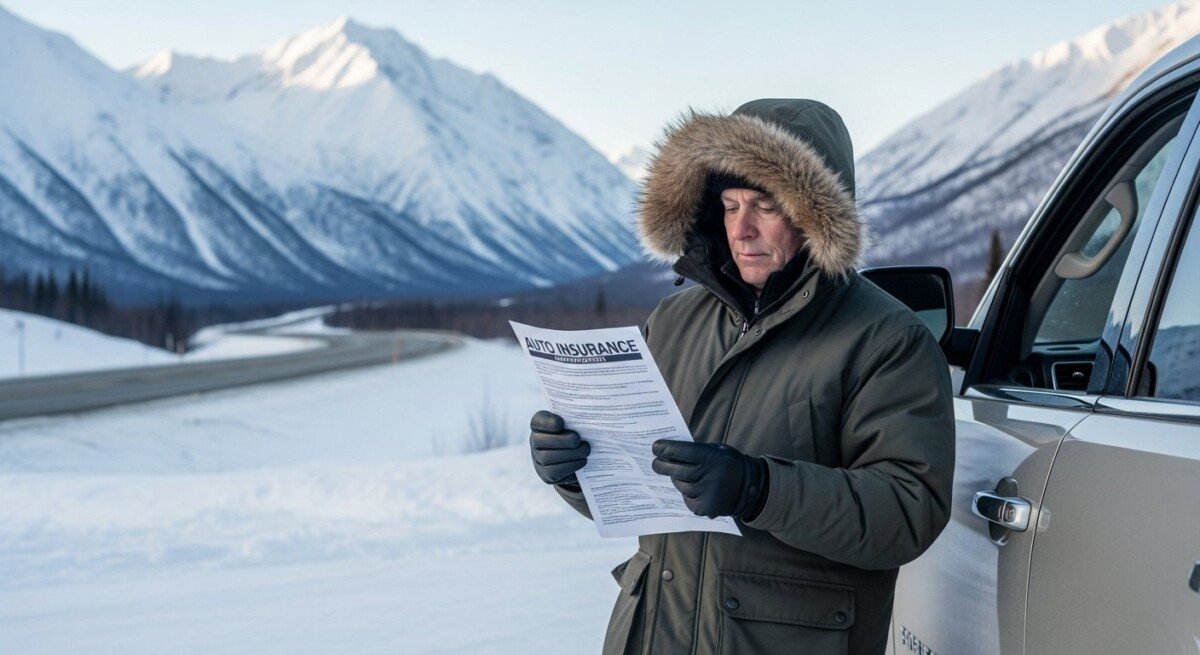
How to Get the Best Auto Insurance Quotes in Alaska
Get expert help securing the right auto insurance quotes Alaska drivers need for unique local risks. Call 833-214-7506 for personalized guidance.

By Elowen Parker
Navigating the unique challenges of Alaska’s roads, from icy highways to remote wilderness trails, requires more than just a reliable vehicle. It demands robust auto insurance protection tailored to the Last Frontier’s specific conditions. For Alaskan drivers, securing the right coverage at a competitive price isn’t just a financial decision, it’s a critical component of safe and responsible driving. Understanding how to effectively shop for and compare auto insurance quotes in Alaska can lead to significant savings and ensure you’re adequately protected against the state’s distinct risks, whether you’re commuting in Anchorage or exploring the Dalton Highway.
Understanding Alaska’s Auto Insurance Landscape
Alaska presents a unique set of circumstances that directly influence auto insurance premiums. The state mandates that all drivers carry minimum liability coverage of $50,000 for bodily injury per person, $100,000 for bodily injury per accident, and $25,000 for property damage. However, these minimums are often insufficient given the high costs associated with accidents, especially in remote areas. Beyond the legal requirements, factors like severe winter weather, high rates of animal collisions (with moose being a primary concern), and vast distances between towns and repair shops contribute to higher-than-average insurance costs. The limited population and lower number of insurance providers compared to the Lower 48 can also reduce competitive pricing pressure in some regions. Recognizing these foundational elements is the first step in understanding why your quotes may vary and what coverage you truly need beyond the state minimums.
Key Factors That Influence Your Alaska Premium
When insurers calculate your auto insurance quotes in Alaska, they evaluate a complex matrix of risk factors. Your driving record is paramount, with tickets and at-fault accidents leading to substantial surcharges for several years. Your vehicle’s make, model, and year also play a significant role, as repair costs, safety ratings, and theft rates are all considered. Perhaps more than in most states, your location within Alaska is critical. Premiums in urban centers like Anchorage or Fairbanks may differ from those in remote villages due to variables like local claim frequency, road conditions, and proximity to medical and repair facilities. Your annual mileage, credit history (where permitted by law), and the chosen deductibles for comprehensive and collision coverage are other major levers that adjust your final rate. For a deeper look at how these elements combine to form your monthly bill, our analysis of the average auto insurance cost per month breaks down the national and state-specific trends.
A Strategic Process for Comparing Quotes
Obtaining and comparing quotes should be a methodical process, not a rushed decision. Start by gathering your essential information: driver’s license numbers for all household drivers, vehicle identification numbers (VINs), and details of your current coverage if you have a policy. It is crucial to request quotes for identical coverage levels and deductibles from each company to enable a true apples-to-apples comparison. Simply seeking the cheapest rate can be a costly mistake if it comes with inadequate protection. When you receive quotes, scrutinize the details of each policy. Look beyond the premium to understand the coverage limits, any exclusions, and the insurer’s reputation for customer service and claims handling in Alaska. A company with a slightly higher quote but a proven track record of efficiently handling moose collision claims in the Mat-Su Valley, for example, may offer far greater value. This strategic approach is similar to the process recommended in our guide for Auto Insurance Virginia, where understanding local risks is equally important.
Specialized Coverage Considerations for Alaskan Drivers
Standard policies may not address all Alaskan hazards. Savvy drivers should consider several add-ons or enhanced coverage options. Given the high risk of animal strikes, ensuring you have sufficient comprehensive coverage with a manageable deductible is wise. Roadside assistance and towing coverage are exceptionally valuable in a state where a breakdown can occur dozens of miles from the nearest service station, potentially in extreme cold. If you frequently drive on unpaved roads or in areas with gravel, added protection for windshield and paint damage from flying debris is worth considering. For those with newer or high-value vehicles, gap insurance can be important. Furthermore, if you use your vehicle for business purposes, such as in the gig economy, a personal auto policy will likely not cover you while you are working, necessitating a commercial endorsement or a separate policy. Understanding these nuances is key to building a policy that doesn’t leave you vulnerable, much like the specific requirements drivers face when looking for cheap auto insurance New Jersey style, where urban density creates its own unique coverage needs.
Actionable Tips to Lower Your Alaska Insurance Costs
While Alaska’s base costs are high, numerous strategies can help you secure more favorable auto insurance quotes. Implementing these measures can lead to substantial long-term savings.
- Bundle Policies: Combining your auto insurance with homeowners or renters insurance through the same provider typically triggers a multi-policy discount.
- Maintain a Clean Record: Safe driving is the most reliable way to keep premiums low over time. Avoid speeding tickets and accidents.
- Increase Your Deductible: Opting for a higher deductible on your comprehensive and collision coverage can lower your premium, but ensure you can afford the out-of-pocket cost if you need to file a claim.
- Ask About Discounts: Inquire about every possible discount, including those for low annual mileage, anti-theft devices, completing a defensive driving course, being a good student, or having affiliations with certain employers or alumni groups.
- Review Coverage Annually: As your car ages, the value of collision coverage may diminish. Regularly reassess your coverage needs and shop around to ensure you’re still getting a competitive rate.
These proactive steps mirror the financial planning essential for drivers everywhere, as detailed in resources like the guide to New York State auto insurance, where discounts and bundling are also key cost-control tactics.
Frequently Asked Questions
Is auto insurance more expensive in Alaska than in other states?
Yes, Alaska consistently ranks among the more expensive states for auto insurance. This is due to factors like harsh weather conditions leading to more claims, high costs of repair and medical care, remote geography, and a higher risk of animal collisions.
What is the most important coverage to have in Alaska beyond the state minimums?
Comprehensive coverage is highly recommended. It covers non-collision events like animal strikes (moose), falling ice or trees, vandalism, and theft, all of which are relevant risks in Alaska. Uninsured/underinsured motorist coverage is also crucial for protection against drivers with insufficient insurance.
How does my credit score affect my auto insurance quotes in Alaska?
Alaska law allows insurance companies to use credit-based insurance scores as one factor in determining premiums. Statistically, individuals with higher credit scores often file fewer claims. Maintaining good credit can therefore help you secure lower rates.
Can I get insurance if I live in a very remote part of Alaska?
Yes, but your options may be more limited, and premiums may be higher. It’s essential to work with an insurer or independent agent who has experience with and offers coverage in remote Alaskan locations. They will understand the specific logistical challenges and coverage needs.
Does Alaska offer any low-cost auto insurance programs?
Alaska does not have a state-sponsored low-cost insurance program. The best way to find affordable coverage is to comparison shop extensively, take advantage of all eligible discounts, and consider adjusting your coverage limits and deductibles responsibly.
Securing the right auto insurance in Alaska is an exercise in balancing comprehensive protection with financial practicality. By understanding the local risk factors, methodically comparing quotes for equivalent coverage, and leveraging available discounts, you can confidently choose a policy that safeguards your journey across Alaska’s majestic and demanding landscapes. Remember, the cheapest quote is not always the best value, true security comes from a policy that reliably responds when you need it most.