
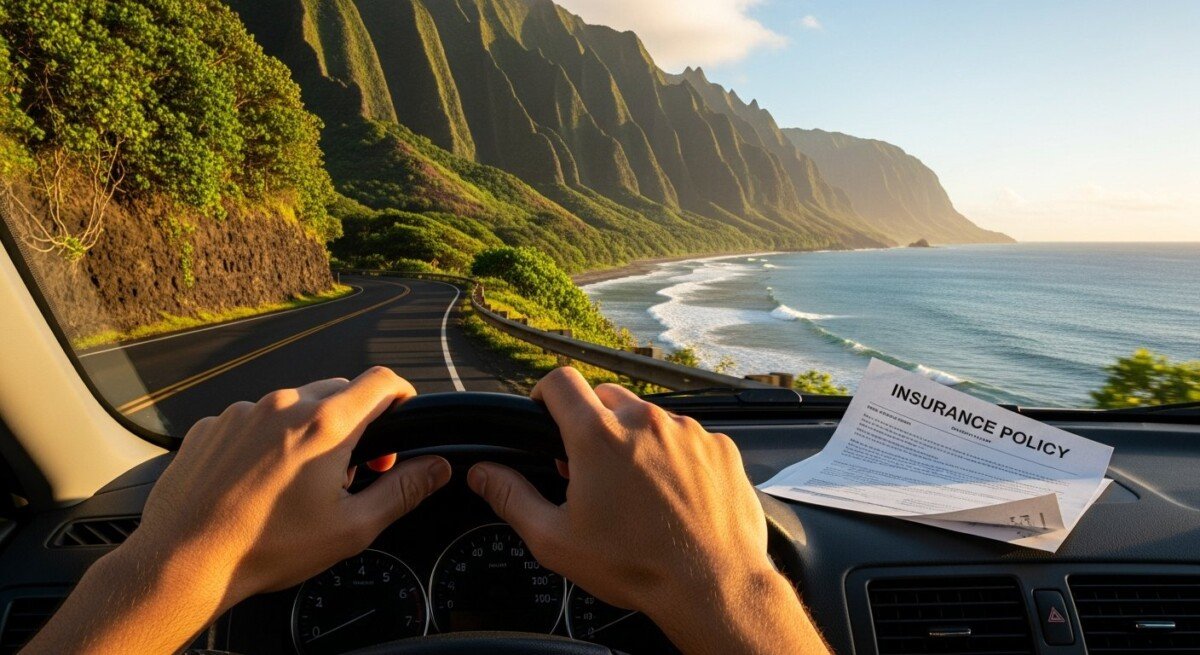
How to Get Accurate Auto Insurance Quotes in Hawaii
Get accurate auto insurance quotes Hawaii tailored to island driving risks and state laws. Call 833-214-7506 for personalized guidance.

By Julian Mercer
Getting the right auto insurance quote in Hawaii is about more than just finding the lowest price. It is about understanding a unique insurance landscape shaped by island geography, specific state laws, and local risk factors. A quote that seems perfect on the mainland might not account for the realities of driving in Honolulu traffic, navigating winding coastal roads, or preparing for hurricane season. This guide will walk you through the entire process, from the information you need to gather to the local factors that will impact your final premium, ensuring you can secure coverage that is both affordable and comprehensively protective for Hawaii’s roads.
Understanding Hawaii’s Auto Insurance Environment
Hawaii operates under a no-fault insurance system. This means that if you are injured in a car accident, your own insurance policy pays for your medical expenses and lost wages through a coverage called Personal Injury Protection (PIP), regardless of who caused the crash. This system is designed to reduce lawsuits and get claims paid faster. However, it also mandates specific coverage levels that directly influence every auto insurance quote in Hawaii. The state minimum liability requirements are also distinct, and understanding these legal baselines is the first step to evaluating any quote you receive. Beyond the legal framework, insurers consider Hawaii-specific risks. The high population density in urban centers like Honolulu leads to more frequent fender-benders, while rural roads on other islands present different hazards. Furthermore, the threat of natural disasters, from volcanic activity to tropical storms, can influence comprehensive coverage rates. A robust quote will reflect these realities.
What You Need for an Accurate Hawaii Quote
To get a meaningful auto insurance quote that won’t change drastically upon final underwriting, you need to prepare specific information. Having this data ready streamlines the process and allows for apples-to-apples comparisons between different insurers. The core details revolve around you, your vehicle, and your driving history.
Gather the following before you start requesting quotes:
- Personal Information: Full name, date of birth, driver’s license number, and, if applicable, your Social Security Number for a credit check (which is a permitted rating factor in Hawaii).
- Vehicle Details: The Vehicle Identification Number (VIN), year, make, model, trim level, annual mileage estimate, and primary location (especially if kept on a military base or in a high-theft area).
- Driver Information: Details for all drivers in the household, including their license numbers and dates of birth.
- Current Coverage: If you have an existing policy, have your declarations page handy. This shows your current limits and deductibles, providing a benchmark.
- Driving Record: Be prepared to disclose any recent accidents, moving violations, or DUI convictions from the past 3-5 years.
With this information, you can provide consistent data to online quote tools, independent agents, and direct insurers. Inconsistencies here are a primary reason for quote discrepancies. For a deeper look at how insurers assess risk, which directly impacts your quote, our analysis on how auto insurance company ratings shape your policy provides valuable context.
Key Factors That Influence Your Hawaii Premium
While the information you provide is crucial, insurers analyze it through a specific lens weighted by statistical risk. In Hawaii, some factors carry more weight than they might elsewhere. Your location is paramount. Zip codes in urban Oahu, with higher traffic density and claim frequency, typically command higher premiums than more rural areas on Maui or the Big Island. Your vehicle’s safety features, repair costs, and theft rate are critically evaluated. A car with expensive, imported parts will cost more to insure than a common model with readily available components. Your driving record is, of course, a major determinant. A clean record is your best asset for a low quote, while tickets and at-fault accidents can significantly increase your rate for years.
Credit history is a legally permitted rating factor in Hawaii. Insurers use credit-based insurance scores, which differ from traditional credit scores, to predict the likelihood of filing a claim. Maintaining good credit can lead to substantially better auto insurance quotes. Furthermore, your coverage choices directly control cost. Opting for state minimums will give you the lowest quote but also the least protection. Increasing your liability limits, lowering your deductibles, and adding endorsements like rental reimbursement or gap insurance will increase your premium. It is a balance between cost and security. Bundling your auto policy with other insurance, such as homeowners or renters insurance, is one of the most effective ways to lower your overall cost. For strategies on maximizing this discount, explore our resource on finding the best home and auto insurance bundles.
A Step-by-Step Guide to Comparing Quotes
Getting multiple quotes is non-negotiable. Rates can vary by hundreds of dollars for the same driver and vehicle profile. The process is systematic. First, decide on your desired coverage levels before you shop. This ensures every quote is for identical coverage, making comparison valid. Next, use a mix of channels: get quotes online from direct insurers, contact independent insurance agents who represent multiple companies, and consider speaking with captive agents from major national providers. When reviewing each quote, look beyond the monthly premium. Scrutinize the coverage limits, deductibles, and any listed discounts. Pay close attention to the financial strength and customer service reputation of the insurer. A cheap quote from a company with poor claims handling is a bad deal. This is where tools like our guide on getting the best auto insurance quotes in Arizona can be helpful, as the comparison principles are universal, even if state laws differ.
Once you have three to five comparable quotes, you can often negotiate. If you have a competitive offer from Company B, you can present it to Company A and ask if they can match or improve their rate. Be polite and factual. Finally, before binding coverage, re-check all the details. Ensure the VIN, drivers, and coverage selections are perfectly accurate to avoid issues at the time of a claim.
Special Considerations for Hawaii Drivers
Several groups in Hawaii have unique insurance considerations. Military personnel stationed in Hawaii should clarify their state of legal residence, as this can significantly affect their premium. They may also qualify for specific discounts. Furthermore, storing a vehicle during a deployment can lower your rate, but you must inform your insurer. For more tailored advice, service members can consult our dedicated article on finding the best auto insurance for veterans and military. Seniors and young drivers also face distinct pricing. Seniors may qualify for mature driver discounts but should be aware of how age may eventually affect rates. Young drivers, especially those under 25, will see higher quotes due to statistical risk, but good student discounts and driver’s education courses can help mitigate costs. Owners of classic, exotic, or electric vehicles need specialized coverage. Standard policies often do not account for agreed value (essential for classics) or the high repair costs of exotic and many electric vehicles. Seeking insurers that specialize in these vehicle types is crucial.
Frequently Asked Questions
Is Hawaii a no-fault state for auto insurance?
Yes, Hawaii is a no-fault state. This means your own insurance pays for your medical expenses after an accident through Personal Injury Protection (PIP) coverage, which is required by law.
What is the minimum auto insurance required in Hawaii?
The minimum liability coverage is $20,000 for bodily injury per person, $40,000 per accident, and $10,000 for property damage. You must also carry $10,000 in Personal Injury Protection (PIP).
Why is my auto insurance quote in Hawaii so high?
High quotes can stem from your location (especially in urban Oahu), a less-than-perfect driving record, a low credit-based insurance score, the type of vehicle you drive, or simply not shopping around enough. Comparing multiple quotes is essential.
Can I use my mainland US auto insurance policy in Hawaii?
Generally, no. If you are moving to Hawaii, you must obtain a policy that meets Hawaii state law. Your mainland insurer may not offer coverage in Hawaii, or may require you to switch to a Hawaii-specific policy.
What discounts should I ask for when getting a Hawaii auto insurance quote?
Common discounts include multi-policy (bundle), multi-vehicle, safe driver, good student, anti-theft device, automatic payment, paperless billing, and defensive driving course discounts. Always inquire about all available discounts.
Securing the right auto insurance in Hawaii is a deliberate process that balances legal requirements, personal risk tolerance, and budget. By understanding the local insurance laws, preparing your information thoroughly, and methodically comparing quotes from multiple reputable carriers, you can confidently select a policy that provides genuine protection on Hawaii’s unique roadways. The goal is not merely the lowest number, but the most reliable coverage for your island lifestyle.