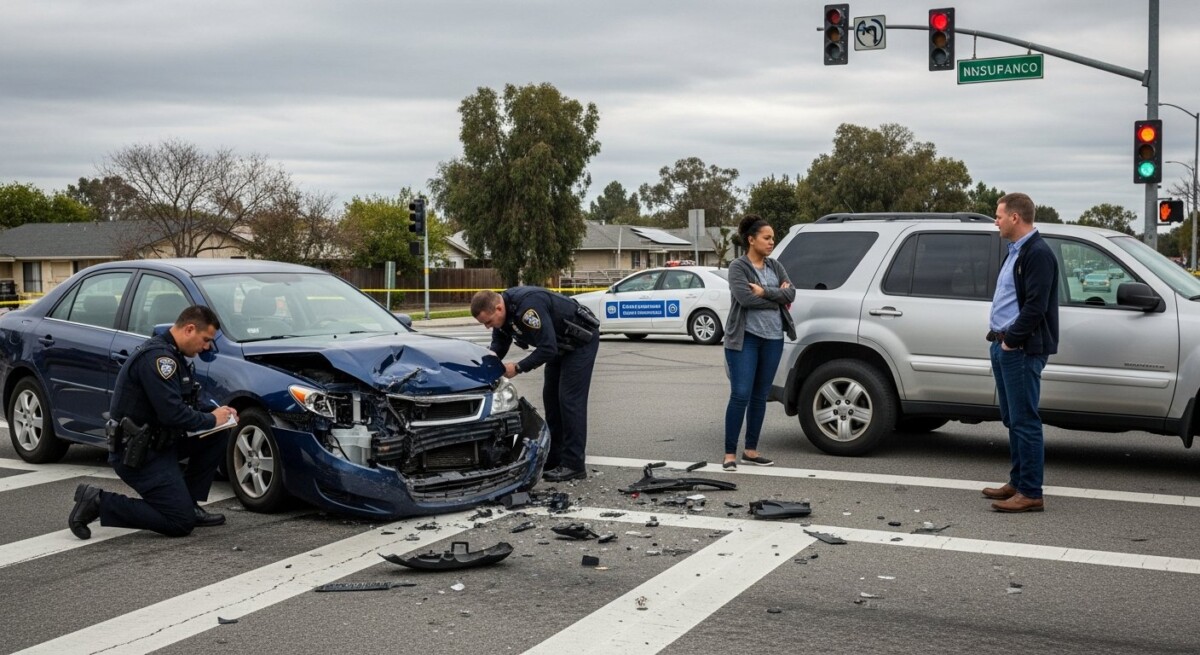
After a car accident, one of the first questions drivers ask is who will be held responsible. The answer directly affects your insurance rates, repair bills, and legal liability. Insurance companies use a structured process to assign fault based on evidence, state laws, and established guidelines. Understanding how insurance determines fault in an accident can help you protect your rights and avoid costly surprises. This knowledge is especially valuable when filing a claim or disputing a decision.
Fault determination is not always straightforward. In some cases, both drivers share responsibility. In others, one driver is clearly at fault. Insurers rely on police reports, witness statements, traffic laws, and physical evidence to make their decision. The process varies slightly depending on whether you live in a fault state or a no-fault state, but the core principles remain consistent.
Key Factors Insurers Use to Assign Fault
Insurance adjusters evaluate several pieces of evidence to determine who caused the accident. They do not simply take one driver’s word over another’s. Instead, they gather objective data and apply legal standards. The most common factors include the following.
Police Reports and Traffic Citations
A police officer who responds to the scene will document the accident and may issue a citation to one or both drivers. While the police report is not the final word on fault, it carries significant weight. Insurers treat it as a neutral, official account. If the officer cites a driver for running a red light or failing to yield, the insurer will likely assign that driver a higher percentage of fault. In our guide on the auto insurance claims process after an accident, we explain how to use police reports to support your claim.
Traffic Laws and Right-of-Way Rules
Each state has a set of traffic laws that define who has the right of way in various situations. Insurers compare the facts of the accident to these laws. For example, if a driver makes a left turn in front of oncoming traffic and a collision occurs, that driver is almost always at fault because left-turning drivers must yield. Similarly, rear-end collisions usually place fault on the following driver, as they are expected to maintain a safe distance.
Witness Statements and Driver Accounts
Witnesses can provide an unbiased perspective on how the accident happened. Insurance adjusters interview witnesses and compare their statements with the drivers’ accounts. If a witness says one driver ran a stop sign, that testimony can override the driver’s denial. Drivers should always exchange contact information with witnesses at the scene.
Comparative Negligence vs. Contributory Negligence
Not all states assign fault on a simple winner-take-all basis. The legal doctrine in your state determines how fault is shared and how much compensation you can recover. Two main systems exist.
- Pure Comparative Negligence: Your compensation is reduced by your percentage of fault. If you are 30 percent at fault, you can still recover 70 percent of your damages. This system is used in states like California and Florida.
- Modified Comparative Negligence: You can recover damages only if your fault is below a certain threshold, usually 50 or 51 percent. If you are 50 percent or more at fault, you receive nothing. This is common in states like Texas and Colorado.
- Contributory Negligence: If you are even 1 percent at fault, you cannot recover any compensation. This strict rule applies in only a few states, such as Alabama and Virginia.
The type of negligence system in your state directly influences how insurance determines fault in accident claims. Adjusters will apply the local rule when calculating your payout. For example, in a pure comparative state, you might still get a check even if you were partially responsible. In a contributory state, even a minor mistake can bar recovery entirely.
How Evidence Is Collected and Evaluated
Insurance companies do not rely on guesswork. They use a systematic approach to gather and analyze evidence. Understanding this process can help you know what to expect after a crash.
First, the adjuster reviews the police report and any citations. Next, they examine photos of the vehicles and the accident scene. They look at skid marks, vehicle damage patterns, and the final resting positions of the cars. This physical evidence often tells a clear story. For instance, damage on the front of one car and the side of another suggests a T-bone collision, which typically involves one driver failing to yield.
Second, the adjuster interviews all involved parties and witnesses. They ask specific questions about speed, direction, traffic signals, and any distractions. Discrepancies between statements can reveal who is being dishonest. Finally, the adjuster may review traffic camera footage or dashcam video if available. This evidence is often decisive.
If you have questions about coverage for accidents that occur in non-public areas, read our article on whether auto insurance provides coverage for accidents on private property. It covers important exceptions that can affect fault determinations.
The Role of No-Fault Insurance States
In no-fault states, your own insurance pays for your medical expenses and lost wages regardless of who caused the accident. However, fault still matters for property damage and for lawsuits. In most no-fault states, you can sue the at-fault driver only if your injuries meet a certain severity threshold, such as permanent impairment or disfigurement.
Even in no-fault states, insurers assign fault for the purpose of setting future premiums. If you are found to be at fault for an accident, your rates may increase. For a deeper look at how this system works, refer to our comprehensive guide on no-fault auto insurance. That article explains the nuances of fault determination in no-fault jurisdictions.
How Fault Affects Your Insurance Rates
Being assigned fault for an accident nearly always leads to higher premiums. The increase depends on your insurer, your state, and your driving history. On average, a single at-fault accident can raise your rates by 30 to 50 percent. The surcharge typically remains on your policy for three to five years.
Some insurers offer accident forgiveness programs that prevent your first at-fault accident from raising your rates. However, these programs are not automatic. You may need to purchase this coverage or earn it through a claims-free period. If you are at fault, your insurer will notify you of the rate change at your next renewal.
If you disagree with the fault determination, you have options. You can provide additional evidence, such as dashcam footage or a witness statement that the adjuster did not consider. You can also request a review from a supervisor or file a complaint with your state insurance department. In some cases, hiring an attorney can help you challenge the decision.
Common Accident Scenarios and Typical Fault Assignments
While each accident is unique, certain scenarios have predictable fault outcomes. Knowing these patterns can help you anticipate how insurance determines fault in accident situations.
- Rear-End Collisions: The following driver is almost always at fault because they failed to maintain a safe distance. Exceptions exist if the lead driver reversed suddenly or had brake lights that were not working.
- Left-Turn Accidents: The driver making the left turn is typically at fault because they must yield to oncoming traffic. If the oncoming driver was speeding, fault may be shared.
- Side-Impact Collisions at Intersections: The driver who ran the red light or stop sign is at fault. If both drivers claim they had a green light, the adjuster will look for camera footage or witnesses.
- Parking Lot Accidents: Fault often depends on who was backing up. The driver backing out of a space usually must yield to moving traffic, so they are often at fault. If both vehicles were backing, fault may be split.
- Multi-Vehicle Pileups: Each driver’s fault is assessed individually. The first driver who caused the chain reaction is usually the primary at-fault party, but subsequent drivers may share fault if they failed to stop safely.
These general rules are not absolute. Insurers always consider the specific facts of your accident. If you believe the adjuster overlooked important details, you should present your case clearly and promptly.
Frequently Asked Questions
What happens if both drivers are found partially at fault?
In states with comparative negligence, each driver’s insurance pays for their policyholder’s damages based on their percentage of fault. For example, if you are 40 percent at fault and your damages are $10,000, you can recover $6,000 from the other driver’s insurer. Your own insurer covers the rest, subject to your policy limits.
Can I dispute a fault determination?
Yes. You can file an appeal with your insurance company and provide new evidence. You can also file a complaint with your state’s department of insurance. If the dispute involves significant damages, you may want to consult an attorney.
Does fault affect my claim if I have collision coverage?
Yes. Collision coverage pays for damage to your vehicle regardless of fault. However, if you are at fault, you will still have to pay your deductible. Your insurer may also increase your premium at renewal.
How long does it take for an insurer to determine fault?
Most insurers complete their investigation within 30 to 45 days. Complex accidents with multiple vehicles or disputed facts can take longer. You can request a status update from your adjuster if the process seems delayed.
Protecting Your Rights After an Accident
Knowing how insurance determines fault in accident claims empowers you to take the right steps immediately after a crash. Always call the police, exchange information, and document the scene with photos. Do not admit fault at the scene, even if you think you caused the accident. Let the evidence and the insurance investigation determine responsibility.
If you are injured or face significant property damage, consider consulting an attorney who specializes in auto accidents. An attorney can help you navigate the claims process, gather evidence, and negotiate with the insurance company. For general guidance on how to handle the aftermath of a crash, read our article on how auto insurance protects you in accidents. It covers essential steps to take after a collision.
Understanding fault is not just about assigning blame. It is about ensuring you receive the compensation you deserve and avoiding unfair rate increases. By staying informed and proactive, you can navigate the insurance process with confidence. For personalized assistance with your specific situation, call us at 833-214-7506. Our team can help you understand your policy and connect you with licensed agents who can answer your questions about fault and coverage.