
Get Pay As You Go Auto Insurance Quotes for 2026
Get personalized pay as you go auto insurance quotes based on your actual driving. Call 833-214-7506 to see how much you could save.

By Julian Mercer
The traditional model of paying a flat, six-month premium for auto insurance is facing a significant challenge. As we look ahead to 2026, a more personalized, data-driven approach is taking center stage: pay as you go auto insurance. Also known as usage-based insurance (UBI), this model calculates your premium based on how much, how well, and sometimes even when you drive. For low-mileage commuters, remote workers, and safe drivers, this can translate to substantial savings. However, navigating the landscape of pay as you go auto insurance quotes requires a new understanding of the factors that influence your rate. This guide will help you understand what to expect in 2026, how to get accurate quotes, and how to leverage this technology to your financial advantage.
Understanding Pay As You Go Insurance in 2026
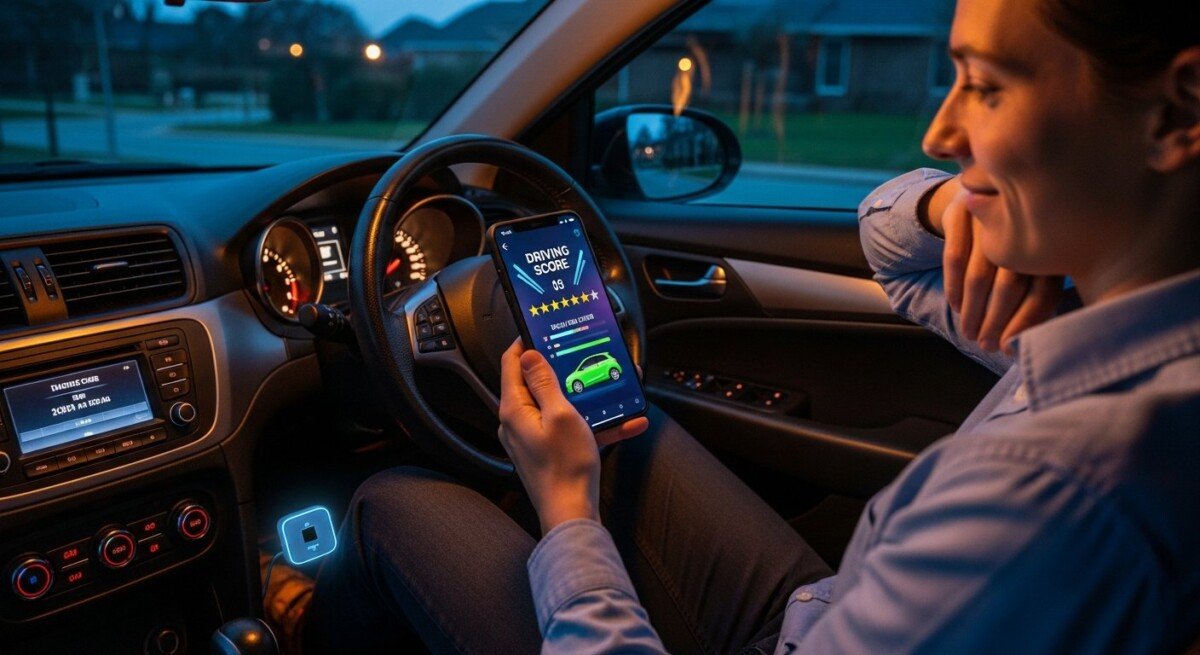
The core principle of pay as you go insurance is simple: you pay for the risk you present. Instead of being grouped into broad demographic categories, your driving behavior is measured directly, typically through a mobile app or a small device plugged into your car’s OBD-II port. As technology advances towards 2026, the data collected is becoming more sophisticated. While early programs focused primarily on mileage, modern and upcoming iterations analyze hard braking, rapid acceleration, cornering forces, phone distraction, and the time of day you drive (e.g., late-night trips may be considered higher risk). This shift means your quote is less about your age or ZIP code and more about your demonstrable habits on the road. It is a fundamental move from assumed risk to verified, real-time risk assessment.
When you request a pay as you go auto insurance quote for 2026, you are not just getting a price, you are entering a feedback loop. The initial quote is often a base rate, which will be adjusted after a monitoring period, usually 30 to 90 days. This adjustment can be a discount for safe driving or, in some programs, a potential surcharge for risky behavior. Therefore, understanding the specific metrics your insurer uses is crucial. For a deeper dive into the foundational elements that affect all auto premiums, including those for UBI, review the 5 factors that directly affect your auto insurance rates.
How to Get and Compare Accurate Quotes
Obtaining a pay as you go insurance quote is a process that demands more engagement than a standard quote. You cannot simply input static information and get a final number. The process is dynamic and involves several key steps. First, you will provide the usual details: vehicle information, driver’s license, and address. Then, you will opt into the usage-based program. The insurer will then provide you with the technology, either by directing you to download their app or by mailing you a telematics device.
To ensure you are comparing apples to apples, follow this structured approach when seeking quotes for 2026:
- Identify Your Driving Profile: Honestly assess if you are a low-mileage, predominantly daytime, and cautious driver. This is the ideal candidate for maximum savings.
- Research Insurer Programs: Not all pay as you go programs are identical. Some are strictly mileage-based, while others are behavior-based. Some offer only discounts, while others can increase your premium.
- Get Multiple Base Quotes: Request initial quotes from at least three insurers offering UBI. Pay close attention to the base premium before any potential driving discount.
- Understand the Fine Print: Scrutinize the data points measured, the length of the monitoring period, the maximum discount (or penalty) possible, and your data privacy rights.
- Install and Test the Technology: Once you choose a provider, install their app or device and ensure it works correctly to avoid inaccurate data collection.
This comparative process is vital. To aid in your evaluation, prepare a list of 5 questions to ask your auto insurance company, specifically tailored to their UBI program. Ask about data ownership, what happens if the device malfunctions, and how disputes about driving data are handled.
The Future of Insurance: Technology and Personalization
Looking towards 2026, the trajectory of pay as you go insurance is pointed firmly towards deeper integration and personalization. We are moving beyond simple plug-in devices. Smartphone apps with advanced accelerometers and gyroscopes are becoming the standard, making enrollment frictionless. The future may see integration with vehicle-native telematics systems, where your car directly communicates driving data to the insurer. Furthermore, the concept of “personalized pricing” could evolve from monthly adjustments to real-time, trip-by-trip pricing models, similar to ride-sharing dynamic pricing but for insurance risk.
This hyper-personalization brings both opportunities and concerns. The opportunity for safe drivers is unprecedented control over their insurance costs. However, it raises important questions about data privacy and the potential for a new form of discrimination, not based on demographics but on driving analytics. Regulations in 2026 will likely evolve to address these issues, setting boundaries on what data can be collected and how it can be used in pricing. For consumers, the key will be transparency. Choosing an insurer that clearly communicates its data practices will be as important as the discount they offer.
Maximizing Savings with a Pay As You Go Policy
Securing a pay as you go auto insurance quote is just the beginning. To truly maximize your savings under this model in 2026, you must actively manage your driving behavior. This is not about gaming the system, but about cultivating consistently safe habits. The technology is designed to reward smooth, attentive, and low-risk driving. Plan your routes to avoid heavy traffic and aggressive driving environments. Consolidate trips to reduce overall mileage. Most importantly, eliminate phone use while driving, as distraction detection is becoming a standard metric in newer UBI programs.
It is also critical to view your driving data regularly. Most insurer apps provide a dashboard showing your scores for braking, acceleration, cornering, phone distraction, and mileage. Use this as a coaching tool. If you see a low score for hard braking, focus on maintaining greater following distance and anticipating stops. This proactive engagement turns your insurance policy from a static expense into an interactive tool for safer driving and financial reward. For a practical look at how one company implements this model, consider reading our Agile Rates auto insurance review to see a real-world application of usage-based principles.
Frequently Asked Questions
Is my driving data private? Reputable insurers have strict privacy policies. Data is typically used solely for determining your discount and for aggregated, anonymized research. You should review the insurer’s privacy policy to understand who owns the data and if it is shared with third parties.
Can my rates go up with a pay as you go program? It depends on the program. “Discount-only” programs will only apply a discount to your base rate; your rate cannot increase due to driving data. “True UBI” or “behavior-based” programs can adjust your rate both up and down based on the collected data. It is essential to know which type you are enrolling in.
What if I take a long road trip? Most programs account for occasional variations. A single long trip amid months of low mileage will have a minimal impact on your overall average mileage calculation. The focus is on consistent, long-term patterns.
Do all insurers offer pay as you go insurance? Most major national insurers now offer some form of UBI program, and adoption is growing. However, the specifics vary widely. It is not yet a universal offering, but it is becoming a standard option in the market.
How much can I realistically save? Savings vary but can be significant. Safe, low-mileage drivers often see discounts ranging from 10% to 40% off their standard premium. The national average discount is typically reported between 15-30%. Your actual savings will depend entirely on your driving habits as measured by the program.
The landscape of auto insurance is undergoing a permanent shift, and pay as you go models are at the forefront. By 2026, these programs will be more refined, more widespread, and potentially more integral to how we think about the cost of driving. For the informed consumer, this represents a powerful opportunity to take control. By understanding the technology, carefully comparing pay as you go auto insurance quotes, and adapting your driving habits, you can align your insurance costs directly with your behavior, ensuring you only pay for the risk you actually take on the road. Start your research now to be prepared for the personalized insurance market of tomorrow. For foundational strategies on managing your overall insurance costs, explore our resource on how to lower your monthly payments now.