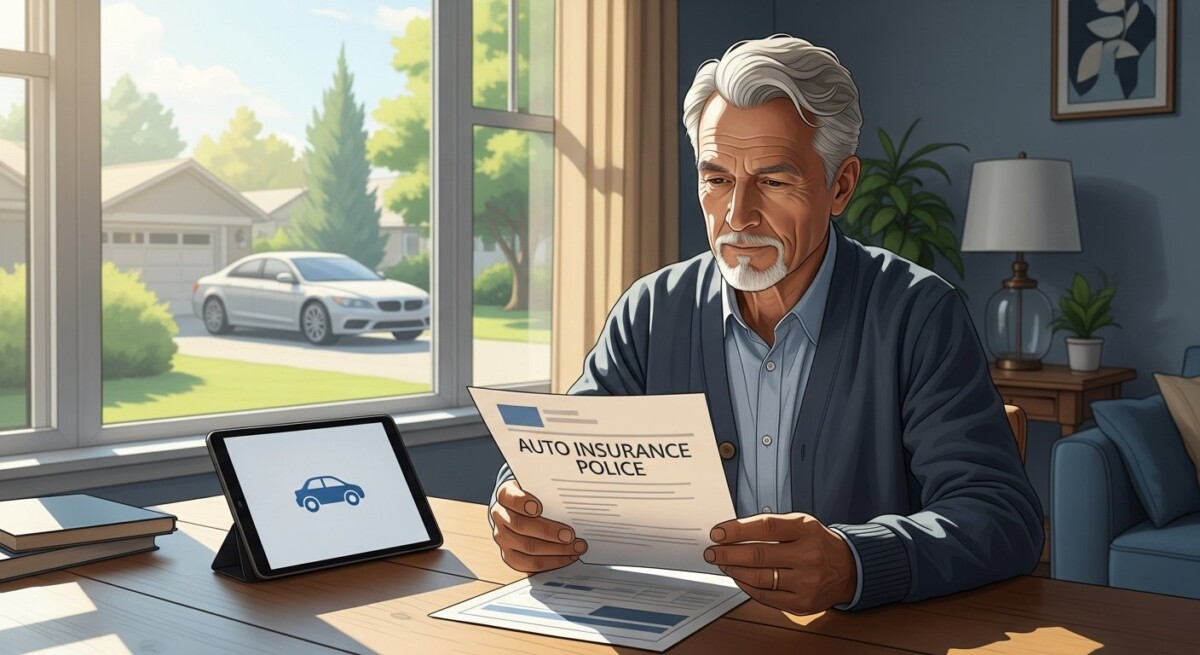
As you enter your golden years, your driving habits and insurance needs often shift. You may drive less frequently, rely on your vehicle for essential errands, or want to protect a paid-off car. Finding the right policy can feel overwhelming with so many options and fine print. Full coverage car insurance for senior citizens is not just about meeting state minimums. It is about ensuring financial protection, peace of mind, and avoiding unexpected out-of-pocket costs. This article explains what full coverage really means, how age affects premiums, and what you can do to secure affordable protection without sacrificing quality.
What Full Coverage Car Insurance Actually Includes
Many drivers assume full coverage means everything is protected. In reality, the term full coverage car insurance for senior citizens typically combines three distinct types of coverage. Understanding each component helps you avoid gaps that could cost you thousands.
First, liability coverage pays for damage you cause to others, including medical bills and property repair. Every state requires a minimum amount, but seniors often benefit from higher limits to protect savings and assets. Second, collision coverage pays for repairs to your own vehicle after an accident, regardless of fault. Third, comprehensive coverage handles non-collision events like theft, vandalism, hail, or hitting an animal. Together, these three create the foundation of a full coverage policy.
Some insurers also include uninsured or underinsured motorist coverage, medical payments, or personal injury protection as part of a full coverage package. You should always read the policy details to confirm exactly what is included. For example, if you live in a state with high rates of uninsured drivers, adding that extra layer can be a lifesaver. In our guide on 10 car insurance terminologies everyone should know, we break down each term so you can shop with confidence.
Why Premiums Change for Senior Drivers
Insurance companies use statistical data to set rates. As drivers age past 65, some insurers increase premiums due to higher accident risk per mile driven. However, many seniors are safe, experienced drivers who qualify for discounts. The key is knowing what factors influence your rate.
- Age and driving record: A clean record with no accidents or tickets can offset age-related increases.
- Annual mileage: Driving fewer than 7,500 miles per year often qualifies you for a low-mileage discount.
- Vehicle type: Older, paid-off cars may not need collision coverage if repair costs exceed the car’s value.
- Credit history: In most states, a good credit score lowers your premium because it correlates with fewer claims.
- Location: Urban areas with higher theft rates or dense traffic can raise rates regardless of age.
It is also worth noting that some insurers offer senior-specific discounts after completing a defensive driving course. These courses refresh your knowledge of road rules and can reduce your premium by up to 10 percent. Check with your state’s Department of Motor Vehicles for approved programs.
How to Lower Your Full Coverage Premium Without Cutting Corners
Many seniors worry about rising insurance costs on a fixed income. The good news is that you can take several steps to reduce your rate while keeping robust protection. Start by shopping around every year. Loyalty does not always pay. Different companies weigh risk factors differently, and you might find a better deal with a new carrier.
Consider raising your deductible. If you have an emergency fund, increasing your collision and comprehensive deductible from $500 to $1,000 can lower your premium by 15 to 30 percent. Just make sure you can afford that amount if you need to file a claim. Another strategy is bundling your auto policy with homeowners or renters insurance. Many insurers offer a multi-policy discount that reduces both premiums.
You should also review your coverage limits annually. If your car is worth less than $5,000, dropping collision and comprehensive might make financial sense. However, if you rely on your vehicle for medical appointments or family obligations, keeping full coverage can provide essential peace of mind. For a deeper look at eligibility factors, read our article on are you eligible for car insurance, which covers age, licensing, and vehicle requirements.
Common Discounts Seniors Often Miss
Insurance companies offer many discounts, but they do not always advertise them. As a senior driver, you may qualify for savings that younger drivers cannot access. Here are some discounts to ask about when you request a quote.
- Mature driver discount: Available to drivers aged 55 and older who complete an approved defensive driving course.
- Low-mileage discount: If you drive fewer than 7,500 miles per year, you could save up to 10 percent.
- Retiree discount: Some insurers offer lower rates to retired drivers because they no longer commute daily.
- Vehicle safety features discount: Cars with anti-lock brakes, airbags, and anti-theft devices reduce risk.
- Pay-in-full discount: Paying your entire annual premium upfront instead of monthly can save you processing fees.
It is important to ask your agent or insurance representative directly: What discounts do you offer for senior citizens? If they do not bring up any, you may be missing savings. Some companies also offer usage-based insurance programs that track your driving habits via a mobile app. Safe and infrequent driving can earn you a significant discount over time.
When to Consider Dropping Full Coverage
Full coverage is not always the best choice for every senior. If you own an older vehicle with a low market value, the cost of collision and comprehensive coverage may exceed what the insurer would pay after a total loss. A good rule of thumb is the 10 percent rule. If your annual premium for collision and comprehensive is more than 10 percent of your car’s current value, consider dropping those coverages.
For example, if your car is worth $4,000 and you pay $500 per year for collision and comprehensive, you are paying 12.5 percent of the car’s value each year. In that case, self-insuring by setting aside that money in a savings account might be smarter. However, if you still owe money on a car loan, your lender will require full coverage until the loan is paid off.
Another factor is your personal financial situation. If you have enough savings to replace your car without hardship, you can afford to take the risk. But if a sudden loss would strain your budget, keeping full coverage is a wise safety net. Remember, full coverage car insurance for senior citizens is about balancing cost with risk tolerance.
How to Compare Quotes Effectively
Getting multiple quotes is essential, but comparing apples to apples requires attention to detail. When you request quotes, provide the same coverage limits, deductibles, and optional add-ons each time. Otherwise, you might choose a cheaper policy that offers less protection.
Start by listing your ideal coverage: liability limits of at least $100,000 per person and $300,000 per accident, collision and comprehensive with a $500 deductible, and uninsured motorist coverage. Then contact at least three insurers. You can work with an independent agent who represents multiple companies, or use an online comparison tool. For a step-by-step approach, check out our guide on 3 essential aspects to know about car insurance for college students, which offers a framework that applies to any age group when evaluating policies.
Once you have quotes, review the customer service ratings and financial strength of each company. A low premium is not helpful if the insurer denies claims or takes months to pay. Look for companies rated A or higher by A.M. Best or Standard & Poor’s.
Special Considerations for Older Drivers
As we age, certain health conditions can affect driving ability and insurance eligibility. If you have a medical condition like glaucoma, diabetes, or arthritis, your insurer may ask about it. You are not required to disclose conditions that do not impair your driving, but honesty is important to avoid claim denials later.
Some states require older drivers to renew their license in person or pass a vision test more frequently. For example, in Illinois, drivers aged 87 and older must take a road test every two years. Staying aware of your state’s rules helps you maintain valid coverage. If your doctor advises against driving, you may qualify for a low-usage policy that covers occasional trips.
Another option is a pay-per-mile insurance policy. These policies charge a base rate plus a small fee for each mile driven. They are ideal for seniors who drive only a few thousand miles per year. Companies like Metromile and Nationwide offer such programs in many states.
Frequently Asked Questions
Does full coverage car insurance for senior citizens cost more than for younger drivers?
Not necessarily. While rates often increase after age 65, many seniors pay less than teenagers or drivers under 25. Your driving record, location, and vehicle type have a larger impact than age alone.
Can I get full coverage if I have a lapse in insurance?
Yes, but you may face higher premiums. Most insurers view a lapse as a risk factor. To avoid a lapse, set up automatic payments or renew your policy before the expiration date.
Is it worth keeping full coverage on a car worth $3,000?
Probably not. The annual premium for collision and comprehensive might be $300 to $600, which is a large percentage of the car’s value. You are better off saving that money for a future replacement.
Does Medicare cover car accident medical bills?
Medicare typically covers medical expenses after an accident, but it may not pay for all costs. Medical payments coverage or personal injury protection on your auto policy can fill gaps and avoid deductibles. For more details on specialized coverage options, see our article on 5 best low-cost car insurance options for military veterans, which discusses tailored policies that may also benefit seniors.
If you have further questions or want a personalized quote, call us at 833-214-7506. Our team can help you compare options from multiple insurers to find the right balance of coverage and cost.
Full coverage car insurance for senior citizens is not one-size-fits-all. By understanding what you need, asking for discounts, and comparing quotes regularly, you can protect your vehicle and your finances without overpaying. Take the time to review your policy at least once a year. Your driving habits and car’s value change over time, and your insurance should reflect that. With the right approach, you can drive confidently knowing you are covered for life’s unexpected moments.