
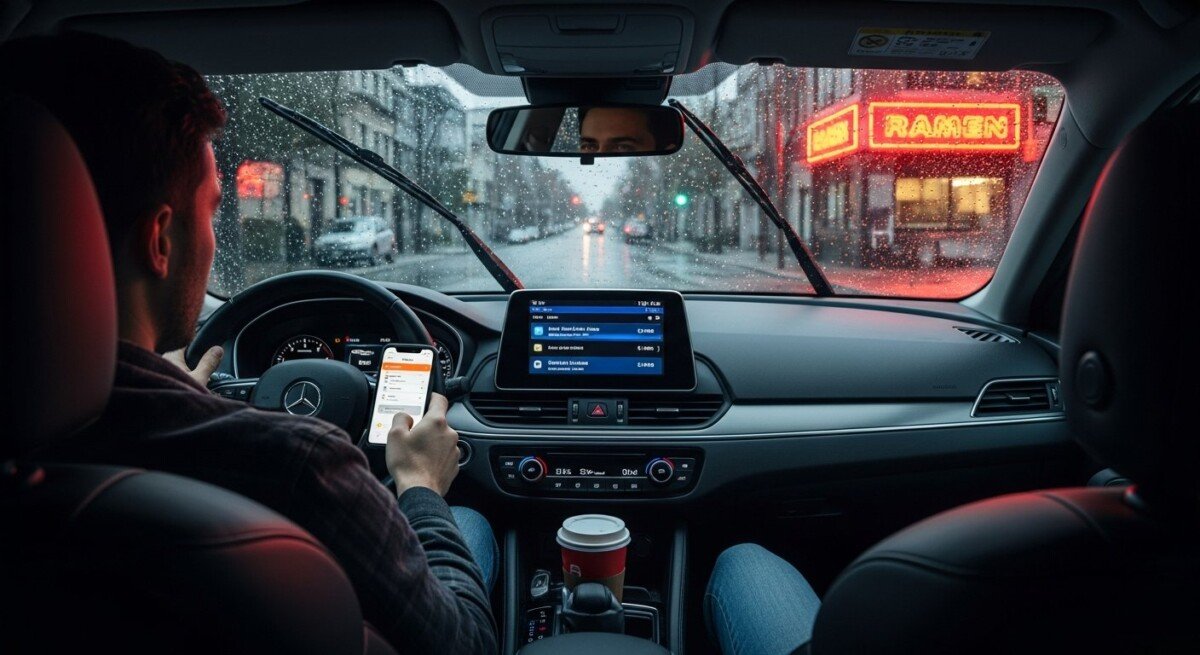
Essential Auto Insurance for Rideshare and Delivery Drivers
Secure proper coverage for your gig driving business and avoid financial disaster. Call 833-214-7506 for a consultation on auto insurance for rideshare drivers and delivery 2026.

By Liora Bennett
If you drive for Uber, Lyft, DoorDash, or any other gig platform, you are operating a business with your personal vehicle. This creates a massive, often hidden, gap in standard personal auto insurance policies that can leave you financially devastated after an accident. As the gig economy matures and regulations evolve, understanding and securing the right commercial coverage is not just advisable, it is critical for your financial survival. The landscape of auto insurance for rideshare drivers and delivery 2026 is shaped by new technologies, regulatory shifts, and market competition, making this the perfect time to ensure your policy matches your real-world risk.
The Critical Insurance Gap in Gig Work
Every gig driver operates in distinct periods, or phases, each with different insurance implications. Your personal auto policy is designed for personal errands and commuting, not commercial activity. When you turn on your app and are available for a trip or delivery request (Period 1), you enter a gray area. Most personal policies have a livery exclusion, meaning they will deny any claim if they discover you were using the vehicle for a transportation or delivery service. While the platform’s contingent liability insurance may activate, it often has high deductibles and provides no coverage for damage to your own vehicle. The gap is most dangerous when you are en route to pick up a passenger or food (Period 2) and when you have the customer or goods in your car (Period 3). A single at-fault accident during these periods without proper coverage can mean facing tens of thousands in repair bills, medical costs, and liability lawsuits out of pocket.
Navigating Your Coverage Options for 2026 and Beyond
Fortunately, insurers have developed products to bridge this dangerous gap. Your primary choices are rideshare endorsements, commercial hybrid policies, and full commercial auto insurance. A rideshare endorsement is an add-on to your existing personal auto policy that extends coverage to fill the gaps during Periods 1, 2, and 3. It is typically the most cost-effective solution for part-time drivers. For those driving more than 30 hours a week or also using their vehicle for other business purposes, a commercial hybrid policy, often called a “transportation network company (TNC) policy,” might be more appropriate. These are standalone policies designed specifically for gig work. Full commercial auto insurance is necessary if you have commercial branding, carry hazardous materials (like certain bulk food deliveries), or have multiple drivers using the vehicle. As you evaluate your needs for the coming years, consider that affordable auto insurance in 2026 for gig workers will hinge on accurately matching your driving patterns to the right policy type.
Key Factors Influencing Your 2026 Premiums
Several evolving factors will directly impact what you pay. Insurers are increasingly using telematics data, not just from your personal driving, but potentially integrated with gig platform data, to assess risk. Your driving behavior, hours logged, and even the types of neighborhoods you frequent during shifts could affect your rate. Regulatory changes at the state level may mandate minimum coverage levels for gig drivers, which could standardize some costs but also increase minimum requirements. Furthermore, the distinction between delivery and rideshare is blurring, with many drivers doing both. Insurers in 2026 will need policies that seamlessly cover multi-platform work, a complexity that today’s policies sometimes struggle with.
A Step-by-Step Guide to Securing Proper Coverage
Protecting yourself requires a proactive approach. Follow this process to ensure you are fully covered.
- Audit Your Current Policies: Review your personal auto policy’s exclusions. Call your insurer and explicitly ask if they cover rideshare or delivery driving. Get their denial or coverage limits in writing.
- Research Platform Coverage: Log into your Uber, Lyft, or delivery app and find the insurance details. Note the levels of liability, collision, and comprehensive coverage they provide, and, crucially, the deductibles for each period. These are often $2,500 or more.
- Get Multiple Quotes: Contact insurers who offer rideshare endorsements (like Progressive, State Farm, Allstate) and those offering commercial hybrid policies. Be honest about your weekly mileage, platforms used, and primary driving areas. For a broader understanding of the market, our expert tips for getting the best deal on auto insurance provide a strategic framework for this shopping process.
- Compare Apples to Apples: Ensure each quote has identical liability limits (aim for at least 100/300/100), similar deductibles for collision and comprehensive, and includes uninsured/underinsured motorist coverage. Pay special attention to how each policy handles the “gap” period when you are logged in but not on a trip.
- Formalize and Document: Once you select a policy, ensure the declaration page explicitly states rideshare or delivery coverage. Keep a copy of your platform’s insurance summary and your new policy in your glove compartment and digitally.
Implementing these steps is your strongest defense against financial ruin. Remember, the cheapest policy is not the best if it leaves you exposed. This is a business expense essential for your operation’s viability.
Future Trends: What Drivers Should Watch For
The insurance market for gig drivers is dynamic. Looking ahead to 2026 and beyond, we can anticipate several trends. First, on-demand or pay-per-mile insurance products could become mainstream, allowing drivers to pay primarily for the insurance they use during commercial hours, potentially lowering costs for part-timers. Second, as seen in states like California with Proposition 22, the legal battle over driver classification (employee vs. independent contractor) will continue to influence who is responsible for providing and paying for insurance. Third, integrated solutions may emerge where the gig platform and insurer partner to offer seamless, automatically activated coverage the moment a driver logs into the app, simplifying the current patchwork system. Staying informed on these trends is as crucial as understanding your current policy. For drivers navigating complex state regulations, resources like the Michigan driver’s complete guide to auto insurance in 2026 illustrate how localized rules can significantly impact coverage requirements and costs.
Frequently Asked Questions
Will my personal auto insurance company cancel me if I tell them I drive for Uber?
They might, if they do not offer a rideshare endorsement. However, it is far riskier to hide this information. If you have an accident while gig driving and they find out, they will likely deny the claim and could cancel your policy for misrepresentation. It is always best to be transparent and find a company that supports your work.
Is delivery driver insurance different from rideshare insurance?
The core principle is the same: covering the commercial use of your vehicle. However, some insurers have specific endorsements or policies for delivery (especially food and parcel delivery) that may be priced differently than rideshare policies, reflecting different risk profiles. Always specify the exact type of work you do when getting a quote.
What is the most important coverage to have?
While comprehensive and collision to protect your vehicle are vital, the most critical coverage is high liability limits. A serious at-fault accident while on a trip could result in catastrophic injury claims that far exceed minimum state limits. Increasing your liability coverage is one of the most cost-effective protections you can buy. Exploring options like those discussed in our feature on 1st Auto Insurance and lowering monthly payments can help you find a policy that balances robust protection with affordability.
Can I just rely on the insurance provided by Uber or DoorDash?
Absolutely not. Their insurance is primarily designed to protect the platform and third parties (other drivers, passengers, pedestrians). It often provides no coverage for damage to your own vehicle (collision/comprehensive) unless you are on an active delivery or trip, and even then, the deductibles are extremely high. It is a secondary layer, not a replacement for your own primary commercial policy.
Securing proper auto insurance is the most important business decision a rideshare or delivery driver can make. It transforms an unpredictable risk into a managed cost, providing peace of mind and financial stability. As the industry evolves, proactive drivers who educate themselves and choose coverage that mirrors their real-world exposure will be the ones who thrive in the long term. Do not wait for an accident to reveal the gaps in your policy, take action today to build a secure foundation for your driving business.