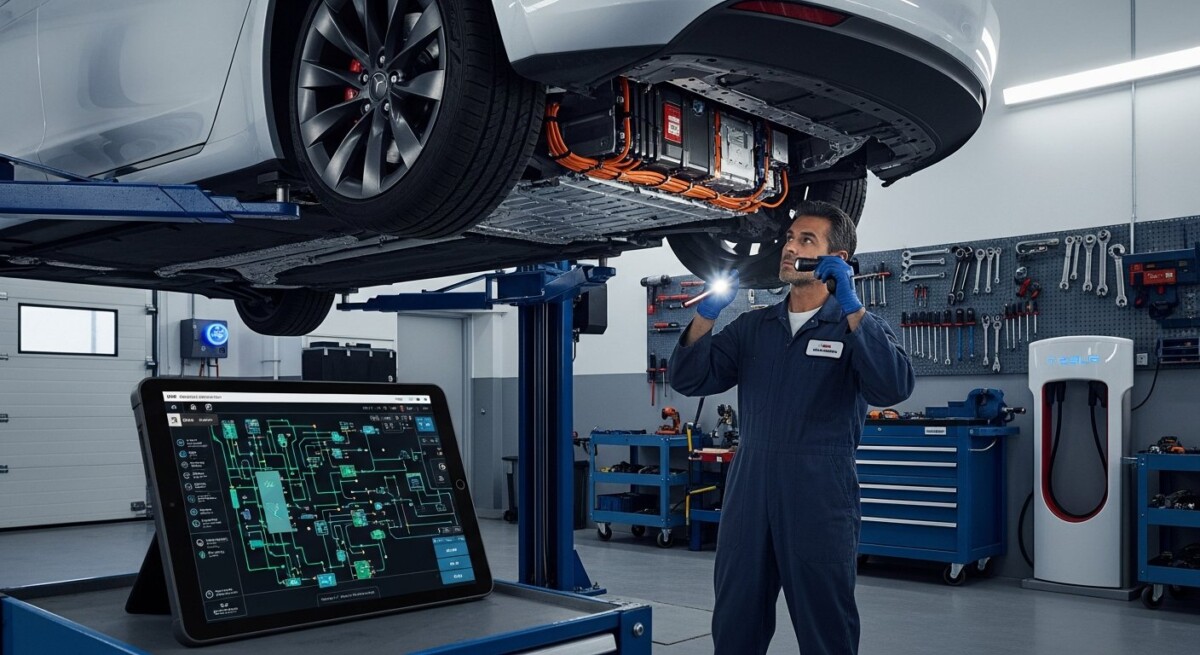
If you own or are considering an electric vehicle like a Tesla, you have likely wondered whether standard auto insurance covers it adequately. The short answer is that traditional policies often fall short for EVs because they do not account for specialized components, higher repair costs, and unique risks. Insurance for electric vehicles like Teslas requires a tailored approach that addresses battery replacement, advanced electronics, and limited repair networks. This article explains what makes EV insurance different, what coverage you need, and how to find the best policy for your electric car.
Why Electric Vehicles Need Specialized Insurance
Electric vehicles differ from traditional gasoline-powered cars in several key ways that directly affect insurance costs and coverage needs. The most obvious difference is the battery pack, which can cost thousands of dollars to replace. Additionally, EVs have regenerative braking systems, electric motors, and complex software that standard repair shops may not be equipped to handle. These factors mean that a minor accident can result in much higher repair bills than a comparable gas car.
Another critical factor is the vehicle’s value. Many EVs, especially Teslas, have a higher initial purchase price than average cars. This higher value requires higher liability and comprehensive coverage limits to protect your investment. Furthermore, EV owners often rely on public charging stations or home charging equipment, both of which can be damaged or malfunction. Standard auto insurance may not cover damage to your home charging unit or liability if someone trips over your charging cable.
Insurance for electric vehicles like Teslas also accounts for the fact that many EVs are equipped with advanced driver-assistance systems (ADAS). These systems can reduce accident risk but also make repairs more expensive when sensors or cameras are damaged. Insurers that specialize in EVs understand these nuances and offer policies that fill the gaps left by standard auto insurance.
Key Coverage Options for Electric Vehicle Owners
When shopping for insurance for your EV, you should look beyond the basic liability and collision coverage. Here are the specific coverage types that are especially important for electric vehicle owners:
- Battery coverage: Some insurers offer endorsements that cover battery degradation or replacement beyond the manufacturer warranty. This can save you thousands if the battery fails prematurely.
- Charging equipment coverage: This covers damage to your home charging station, portable charging cable, or public charging equipment. It may also provide liability coverage if your charging equipment causes property damage or injury.
- Rental car reimbursement with EV option: If your EV is in the shop for repairs, standard rental reimbursement may only cover a gas car. Look for a policy that provides an electric rental vehicle so you maintain the same driving experience.
- Gap insurance: EVs depreciate quickly, and if your car is totaled, gap insurance covers the difference between what you owe on the loan and the car’s actual cash value. This is especially valuable for leased EVs.
- New car replacement: Some insurers offer replacement cost coverage for the first few years, ensuring you get a brand new EV if yours is totaled, rather than a depreciated payout.
These specialized coverages are not always standard in every policy. You may need to request them or choose an insurer that specifically markets to EV owners. For example, our guide on Auto Insurance CT: A Complete Guide to Connecticut Coverage explains how to find insurers that offer these options in that state.
Factors That Affect EV Insurance Premiums
Insurance premiums for electric vehicles are influenced by many of the same factors as gas cars, but some unique elements come into play. Understanding these can help you manage your costs.
Vehicle Model and Repair Costs
High-end EVs like the Tesla Model S or Lucid Air have expensive parts and require specialized technician training. Insurers charge higher premiums for these models because repair costs are significantly above average. Conversely, more affordable EVs like the Nissan Leaf or Chevy Bolt may have lower premiums, though they still carry higher battery replacement costs than comparable gas cars.
Driving Behavior and Telematics
Many insurers now offer usage-based insurance programs that track your driving habits via a smartphone app or onboard device. Since EVs often come with built-in telematics (like Tesla’s Sentry Mode and data logging), some insurers can use this data to offer discounts for safe driving. If you drive fewer miles or avoid hard braking, you could see lower rates.
Charging Habits and Location
Where you charge your EV matters to insurers. If you charge at home, your policy may need to cover the charging equipment. If you rely on public charging stations, your risk of theft or vandalism might be higher. Additionally, living in an area with extreme temperatures can affect battery health and increase the likelihood of claims related to battery failure.
Safety Features and Theft Deterrence
EVs often come with advanced safety features like automatic emergency braking, lane-keeping assist, and 360-degree cameras. These features can reduce accident frequency and severity, potentially lowering your premium. However, EVs are also targets for theft because of their valuable batteries and electronics. Installing additional anti-theft devices may qualify you for discounts.
For a broader view of how these factors interact, reading about Auto Insurance CT: A Complete Guide to Connecticut Coverage can help you understand how state regulations also affect rates.
How to Compare Insurance for Electric Vehicles Like Teslas
Finding the best insurance for your EV involves more than just comparing prices. You need to evaluate coverage options, insurer reputation, and customer service. Follow these steps to make an informed decision:
- Identify your must-have coverages. List the specialized coverages discussed earlier, such as battery coverage and charging equipment protection. Decide which ones are essential based on your vehicle and driving habits.
- Get quotes from multiple insurers. Look for companies that explicitly offer EV-specific policies. National carriers like Geico and Progressive have EV options, but specialty insurers like Tesla Insurance or Safeco may provide more tailored coverage.
- Check repair networks. Ensure the insurer’s approved repair shops have certified EV technicians. Tesla, for instance, requires repairs at authorized service centers. Using an out-of-network shop could void your warranty or result in substandard repairs.
- Review policy limits and deductibles. Since EVs are expensive to repair, consider higher liability limits (e.g., $100,000/$300,000) and lower comprehensive deductibles to avoid large out-of-pocket costs.
- Ask about discounts. Many insurers offer discounts for bundling home and auto, having a clean driving record, completing a defensive driving course, or installing anti-theft devices. Ask specifically about EV-related discounts.
When you compare quotes, remember that the cheapest policy may not provide adequate coverage. A slightly higher premium that includes battery replacement coverage could save you thousands in the long run.
Common Misconceptions About EV Insurance
Several myths persist about insuring electric vehicles. Let us clarify the most common ones.
Myth 1: EV insurance costs the same as gas car insurance. In reality, EV premiums are often 10-30% higher due to higher repair costs and specialized parts. However, this gap is narrowing as more insurers gain experience with EVs.
Myth 2: You must use Tesla Insurance for a Tesla. While Tesla offers its own insurance in some states, you are not required to use it. Many traditional insurers provide excellent coverage for Teslas at competitive rates.
Myth 3: All insurers cover charging equipment. Not all policies include charging equipment coverage. You must specifically request it or choose a policy that includes it. Without this coverage, damage to your home charger may not be covered.
Myth 4: EVs are safer, so insurance should be cheaper. While EVs have advanced safety features, their high repair costs and battery fire risks can offset any safety discounts. Always check the actual premium rather than assuming it will be lower.
Understanding these misconceptions can help you avoid surprises when shopping for insurance for electric vehicles like Teslas.
Frequently Asked Questions
Does Tesla Insurance cover other EV brands?
Tesla Insurance is currently only available for Tesla vehicles. If you own a different EV brand, you need to look for a standard insurer that offers EV-specific coverage options.
Can I insure an electric vehicle with a standard auto policy?
Yes, you can insure an EV with a standard policy, but it may not cover battery degradation, charging equipment, or other EV-specific risks. It is better to choose a policy that explicitly addresses these areas.
How much more does EV insurance cost compared to a gas car?
On average, EV insurance costs 10-30% more than insuring a comparable gas vehicle. However, the difference varies by model, location, and driving history. For example, a Tesla Model 3 may cost around $1,500-$2,500 per year, while a similar gas sedan might cost $1,200-$1,800.
What happens if my EV battery is damaged in an accident?
If you have comprehensive or collision coverage, the battery is typically covered as part of the vehicle. However, some policies exclude battery degradation from normal wear. Check your policy language or add a battery endorsement if needed.
Do I need special insurance for a leased EV?
Leased EVs often require gap insurance and higher liability limits. Many leasing companies also require you to carry comprehensive and collision coverage with a low deductible. Confirm these requirements with your leasing agent before purchasing a policy.
Final Thoughts on EV Insurance
Owning an electric vehicle like a Tesla brings many benefits, from lower fuel costs to a reduced environmental footprint. However, protecting that investment requires a careful approach to insurance. By understanding the unique risks and coverage options, you can choose a policy that provides comprehensive protection without overpaying. Start by comparing quotes from multiple insurers that specialize in EVs, and do not hesitate to ask about the specific coverages discussed here. For more detailed guidance on navigating auto insurance in your state, consider reading our Auto Insurance CT: A Complete Guide to Connecticut Coverage which offers actionable advice that applies to EV owners as well. Remember, the right policy not only saves you money but also gives you peace of mind every time you plug in your car.