
Does Your Auto Insurance Cover Natural Disasters?
Ensure your vehicle is protected from floods, fires, and storms. Call 833-214-7506 to verify your auto insurance covers natural disasters.

By Luca Harrington
Your car is parked in the driveway, a seemingly safe place. But when a wildfire sweeps through your neighborhood, a flood inundates your street, or a hailstorm pelts down with golf-ball-sized ice, that safety is an illusion. Standard auto insurance policies are not universally designed to protect against the devastating forces of nature. Understanding the specific coverage you need for natural disasters is not just a detail, it is a critical component of comprehensive financial protection. Without the right endorsements, you could be left facing a total loss with no recourse, turning a natural catastrophe into a personal financial disaster.
The Standard Policy and Its Gaps
A typical auto insurance policy is built around a core set of coverages: liability, collision, and comprehensive. It is the last one, comprehensive coverage, that is the key to protection from natural disasters. Often called “other than collision” coverage, it is an optional add-on that protects your vehicle from damage caused by events outside of your control. However, the common misconception is that “comprehensive” means all-encompassing. In reality, it covers a specific list of perils. If your policy lacks comprehensive coverage, you have zero protection from events like falling trees, floodwaters, or volcanic ash. Even with comprehensive, there are critical nuances and exclusions that vary dramatically by insurer and geographic region. Understanding these details is the first step in building a resilient safety net for your vehicle.
Natural Disasters Covered by Comprehensive Insurance
When you purchase comprehensive coverage, you are buying protection against a defined set of natural and non-natural events. The natural disasters typically included are:
- Wind, Hail, and Lightning: This covers damage from hurricanes, tornadoes, straight-line winds, and hailstorms that can dent body panels and shatter glass.
- Falling Objects and Trees: Damage caused by trees or branches felled by storms, heavy snow, or wind.
- Earthquakes and Landslides: Direct damage from tremors, ground shifting, or mudslides. Note that landslides may have specific triggers required for coverage.
- Volcanic Eruption: Coverage for damage from ash, lava flow, or airborne shockwaves.
- Wildfire: Protection from fire damage, including melting and smoke damage, caused by spreading wildfires.
It is vital to read your policy’s declarations page and the comprehensive section itself. Insurers define these perils in specific language, and what one company calls “windstorm” another may define differently. Furthermore, the cause of the damage matters. For instance, if a tree falls on your car because it was rotten and you neglected it, the claim might be disputed. If it falls due to a storm, it is typically covered.
The Critical Exclusion: Flood Damage
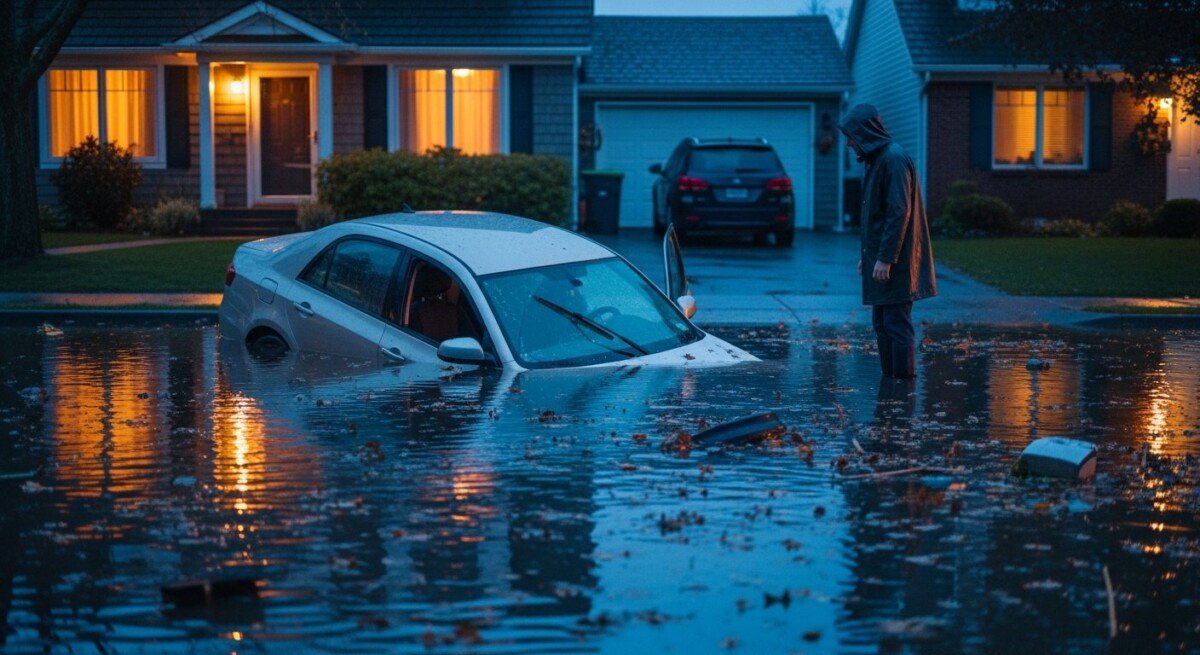
This is the most significant and surprising gap for many drivers. Standard comprehensive auto insurance generally does not cover flood damage from rising water, such as storm surge, river overflow, or flash flooding. This is a separate, specific exclusion in most personal auto policies. To protect your vehicle from floodwaters, you must purchase a separate flood insurance policy for your car. This is often available as an endorsement (an add-on) to your existing auto policy or, in some high-risk areas, through a government-backed program. The distinction is crucial: water falling from the sky (hail, rain) is usually covered under comprehensive, but water rising from the ground (flood) is not. Never assume your car is covered for a flood. This is a separate conversation you must have with your agent, especially if you live in a floodplain or area prone to heavy rains.
Steps to Ensure You Are Fully Protected
Securing the right auto insurance that covers natural disasters requires a proactive and informed approach. Do not wait for a storm warning to check your policy. Follow this actionable framework:
- Conduct a Policy Audit: Locate your policy documents and physically read the comprehensive coverage section. Look for the listed perils and, more importantly, the exclusions. Verify that you have comprehensive coverage at all; it is not mandatory by law, only by lenders if you have a loan or lease.
- Assess Your Geographic Risk: Objectively evaluate the natural disaster risks in your area. Are you in a wildfire zone, a floodplain, “Tornado Alley,” or a region with frequent hailstorms? Your location dictates the specific endorsements you need most. Our analysis of factors that affect auto insurance rates includes how geographic risk influences your premium and coverage needs.
- Schedule a Consultation with Your Agent: Contact your insurance agent or company directly. Ask explicit questions: “Does my comprehensive coverage include flood damage? If not, how do I add it? What is my deductible for hurricane damage? Is there a separate windstorm deductible?” Get answers in writing.
- Evaluate Coverage Limits and Deductibles: Your comprehensive coverage limit is typically the actual cash value of your car. The more critical decision is your deductible. A higher deductible lowers your premium but increases your out-of-pocket cost when you file a claim. Choose a deductible you can comfortably afford to pay immediately after a disaster. Understanding the parts of an auto insurance policy will help you make sense of these limits and deductibles.
- Document and Prepare: Keep a digital copy of your insurance policy in a cloud service. Maintain an updated photo and video inventory of your vehicle’s condition. Store your agent’s contact information with your other emergency documents. This preparation is invaluable when filing a claim under stressful post-disaster conditions.
Navigating the Claims Process After a Disaster
Filing a claim after a natural disaster is different from a standard fender-bender. The system is often overloaded, and your personal circumstances may be chaotic. To maximize your recovery and minimize stress, follow a clear process. First, ensure immediate safety and contact authorities if necessary. Then, if it is safe to do so, document the damage to your vehicle with photos and videos from multiple angles before moving or touching anything. Contact your insurance company as soon as possible to start the claim, but be prepared for potential delays due to high claim volume. You will be assigned an adjuster who will assess the damage. It is often wise to get an independent repair estimate from a trusted mechanic to compare with the insurer’s assessment. Keep meticulous records of all communications, including claim numbers, adjuster names, and dates of conversations. Remember, the goal is to restore your vehicle to its pre-disaster condition, and being organized and persistent is key. For strategies on effectively managing this process, review our resource on expert tips for dealing with auto insurance, which includes advice on post-claim negotiations.
Frequently Asked Questions
Q: If a hurricane causes both wind and flood damage to my car, which part is covered?
A> This is a complex scenario. Typically, wind damage (e.g., a tree branch smashing the windshield) would be covered under your comprehensive coverage. Flood damage (e.g., saltwater inundating the engine) would only be covered if you have a separate flood insurance endorsement. The adjuster will work to determine the cause of each element of damage.
Q: Does “Acts of God” coverage automatically apply?
A> “Acts of God” is a legal term, not a standard insurance coverage. The protections are provided through the specific perils listed in your comprehensive coverage (like windstorm or earthquake). Do not rely on this phrase; rely on the explicitly listed perils in your policy documents.
Q: Will filing a natural disaster claim raise my rates?
A> It might, but often less than an at-fault collision claim. Insurers view comprehensive claims as events outside your control. However, multiple claims or living in a high-risk area can lead to increased premiums. It is a factor to consider, especially for minor damage close to your deductible amount.
Q: Is my car covered if it’s damaged while I’m evacuating from a disaster?
A> Yes, your coverage follows the vehicle, not the location. Whether the damage occurs in your driveway or in a hotel parking lot several counties away during an evacuation, the same comprehensive coverage terms apply, provided the cause of damage is a covered peril.
Q: What if my car is totaled by a natural disaster?
A> If the cost to repair your vehicle exceeds its actual cash value (ACV), the insurer will declare it a total loss. They will pay you the ACV, minus your comprehensive deductible. You can then use this payment toward a new vehicle. Understanding your policy’s total loss provisions is critical, as explored in our guide to managing your auto insurance policy effectively.
Securing proper auto insurance for natural disasters is an exercise in proactive risk management. It requires moving beyond the assumption that you are covered and taking deliberate steps to close dangerous gaps, particularly for flood damage. By auditing your policy, understanding your local risks, and having explicit conversations with your insurer, you transform your auto insurance from a simple legal requirement into a robust financial shield. In an era of increasing climate volatility, this knowledge is not just helpful, it is essential for protecting one of your most significant assets from the unpredictable forces of nature.