
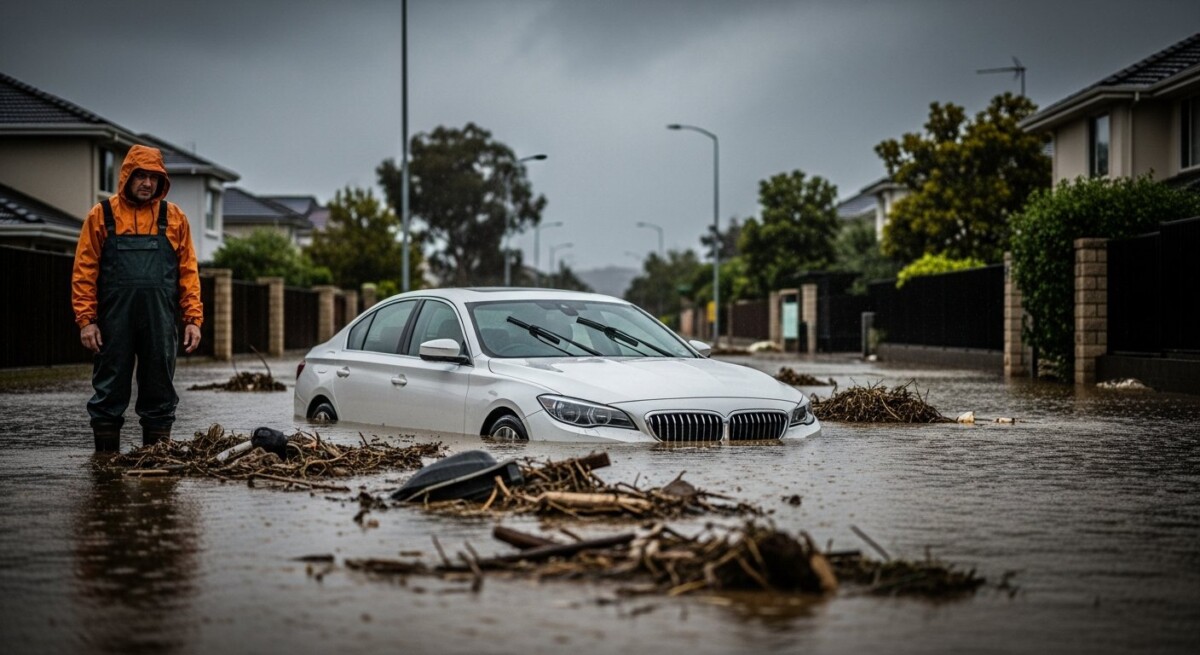
As climate patterns shift and severe weather events become more frequent, a standard auto insurance policy is no longer a complete safety net. Many drivers discover the devastating gap in their coverage only after a hurricane, flash flood, or wildfire has damaged their vehicle. Understanding the specific protections you need for natural disasters is not just prudent planning, it is an essential component of modern financial security. This guide will clarify what coverage you need, how to obtain it, and the critical steps to take before and after a catastrophic event to ensure you are not left facing a total loss.
The Critical Gap in Standard Auto Insurance
Virtually every state requires drivers to carry liability insurance, and most drivers opt for comprehensive and collision coverage to protect their own vehicle. However, a common and costly misconception is that a “full coverage” policy automatically includes protection against all natural disasters. This is not the case. While comprehensive coverage does protect against many perils, its relationship to specific natural disasters, particularly floods, is nuanced and requires explicit confirmation. Comprehensive coverage typically handles damage from events like hail, falling objects, fire, and sometimes windstorms. Yet, flooding, especially from rising ground water, is often treated as a separate, excluded peril unless specifically added or defined within the policy. This distinction is the root of many denied claims following major weather events.
Securing Flood Coverage for Your Vehicle
To ensure your vehicle is protected against flood damage, you must actively secure comprehensive coverage with a flood inclusion or a separate flood endorsement. This is not an automatic provision. When shopping for or reviewing your policy, you must explicitly ask, “Does this comprehensive coverage include flood damage?” Insurers may have specific definitions for “flood,” so understanding the terms is crucial. It is also vital to know that if you live in a high-risk flood zone, insurers may impose higher premiums or even refuse to add the coverage, pushing you toward specialized markets. For a broader understanding of building a robust policy, our complete guide to auto insurance details all essential coverages.
Beyond floods, other natural disasters present their own coverage challenges. Earthquake damage is almost universally excluded from standard auto policies and requires a separate endorsement. Hurricane damage often involves a combination of perils: wind damage may be covered under comprehensive, but accompanying flood damage is not unless you have the specific flood protection. Some insurers in hurricane-prone regions even apply separate, higher deductibles for hurricane-related claims. Wildfire damage is generally covered under the fire provision of a comprehensive policy, but massive regional events can strain insurance systems and complicate claims processing. Knowing these specifics is the first step to building a resilient insurance portfolio.
Proactive Steps Before Disaster Strikes
Insurance is a reactive tool, but your preparedness is proactive. Taking steps before a forecasted event can streamline your claim and potentially save your vehicle. First, review your policy documents now, not when a storm is on the horizon. Confirm your deductibles, coverage limits, and any special clauses for named storms or floods. Second, create a digital insurance kit. This should include photos and videos of your vehicle’s current condition (interior and exterior), a copy of your insurance policy and ID card, and your agent’s contact information. Store these in a cloud service accessible from your phone. Third, have a physical evacuation plan for your vehicle. If authorities issue evacuation orders, moving your car to a safer location, like a multi-story parking garage, can be the best form of “coverage.” Finally, ensure your comprehensive and collision limits are high enough to cover the actual replacement cost of your vehicle in today’s market.
The Immediate Post-Disaster Claims Process
If your vehicle is damaged, acting quickly and methodically is key to a successful claim. Safety is paramount: do not attempt to start or drive a flood-damaged vehicle, as saltwater or silt can cause catastrophic engine failure and electrical shorts. Once safe, document everything. Take extensive photos and videos of the damage, the surrounding area, and any water lines on the vehicle. Contact your insurance company or agent to file a claim as soon as possible, as delays can complicate the process. Be prepared for a high volume of claims; patience is necessary, but persistent follow-up is advised. An adjuster will inspect the vehicle, and in most flood cases, if water reached the dashboard, the vehicle is typically declared a total loss due to pervasive corrosion and electrical damage.
Navigating Coverage and Costs in 2026 and Beyond
Looking ahead to 2026, drivers should anticipate that coverage for natural disasters will continue to evolve, likely becoming more specialized and, in high-risk areas, more expensive. Insurers are increasingly using sophisticated climate modeling to price risk, which may lead to more granular zoning and pricing. For drivers seeking affordable protection amidst these changes, strategies like bundling policies, maintaining a spotless driving record, and opting for higher deductibles can help manage costs. Exploring all avenues for savings is crucial, and our resource on expert tips for getting the best deal on auto insurance offers proven methods to lower your premium without sacrificing necessary coverage.
For new drivers or those re-entering the market, securing this specialized coverage is part of building a responsible policy from the start. An affordable auto insurance guide for new drivers emphasizes that the lowest premium is not always the best value if it leaves you exposed to catastrophic loss. Investing in proper comprehensive coverage with flood protection from the outset is a financially sound decision. Furthermore, understanding the full scope of your policy is vital. For instance, many are unaware of potential benefits like lower monthly payments through telematics or other discount programs that can offset the cost of adding critical endorsements.
Frequently Asked Questions
Does my comprehensive auto insurance cover hurricane damage?
It depends on the specific damage. Comprehensive coverage typically covers wind damage, hail, and falling debris from a hurricane. However, storm surge and flooding caused by the hurricane are usually only covered if you have specifically purchased flood insurance for your vehicle. Check your policy for a “hurricane deductible,” which is often a percentage of your car’s value rather than a flat fee.
If my car is totaled in a flood, what will insurance pay?
If you have comprehensive coverage with flood protection, your insurer will pay you the actual cash value (ACV) of your vehicle immediately before the flood occurred, minus your deductible. ACV is the market value based on age, mileage, and pre-loss condition. It is often less than the cost to purchase a brand-new replacement vehicle.
Can I buy flood insurance for my car if I don’t have comprehensive coverage?
No. Flood coverage for vehicles is an endorsement or inclusion that is added to a comprehensive auto insurance policy. You cannot purchase standalone flood insurance for a car like you can for a home. You must first carry comprehensive coverage.
What is the difference between comprehensive coverage and catastrophic coverage?
“Catastrophic coverage” is not a standard industry term for auto insurance. It is sometimes used colloquially to refer to the protections within a comprehensive policy that handle large-scale events. Legally and practically, you are looking for a robust comprehensive policy with explicit flood and/or earthquake endorsements where needed.
Are there any government programs for auto flood damage?
Generally, no. The National Flood Insurance Program (NFIP) covers buildings and contents, but not vehicles. Federal disaster assistance (FEMA) is only available if a federal disaster is declared, and it typically comes in the form of low-interest loans, not grants, to cover uninsured losses, which must be repaid.
Protecting your vehicle from the growing threat of natural disasters requires deliberate action and informed choices. By scrutinizing your policy, adding necessary endorsements, and preparing a disaster plan, you transform your auto insurance from a simple legal requirement into a powerful financial shield. Do not wait for the forecast to turn ominous, review your coverage today to ensure you are prepared for whatever 2026 may bring.

