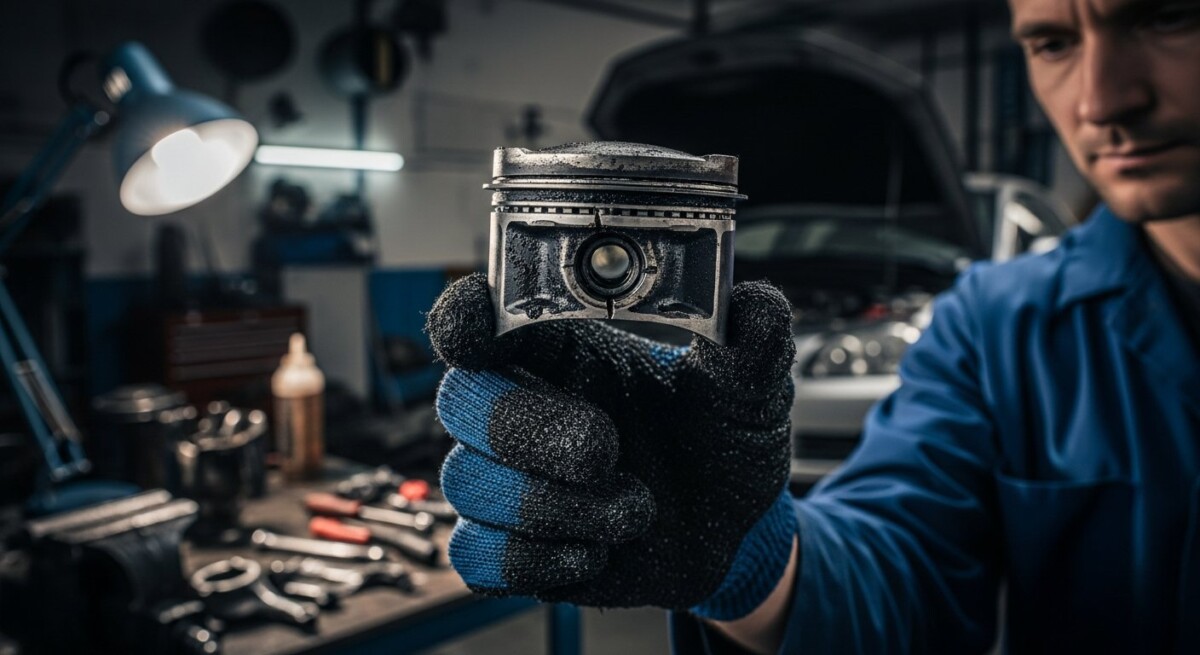
Your car’s engine seizes, smokes, or simply stops running. The repair estimate is staggering, and a single, desperate question floods your mind: will my auto insurance pay for this? For most drivers, the short and often disappointing answer is no, a standard auto insurance policy does not cover mechanical engine failure. Understanding this critical exclusion, and the rare exceptions where coverage might apply, is essential to managing your financial risk and avoiding costly surprises. This confusion stems from a fundamental misunderstanding of what auto insurance is designed to protect. Insurance is a contract for fortuitous events, sudden accidents and unforeseen collisions, not for the gradual wear and tear or internal breakdowns expected as a vehicle ages.
The Core Principle: Insurance vs. Maintenance
Auto insurance policies, whether liability, collision, or comprehensive, are structured around the concept of an “insured peril.” This is a specific, sudden, and accidental event that causes damage. A tree falling on your hood, another driver rear-ending you, or a hailstorm denting your roof are all clear, external events that happen unexpectedly. Engine failure, in the vast majority of cases, is not considered such an event. It is typically viewed as a maintenance issue, a result of mechanical wear, lack of servicing, or a pre-existing defect. The financial responsibility for maintaining the mechanical integrity of your vehicle falls on you, the owner, not your insurer. This distinction is the bedrock of auto insurance and is why policies explicitly exclude failures due to wear and tear, mechanical or electrical breakdown, and inherent defects. For a deeper look at how insurance contracts handle claims, you can review our detailed explanation of how an auto insurance claim works from start to finish.
When Might Auto Insurance Provide Coverage?
While direct mechanical failure is excluded, there are specific, narrow scenarios where damage to your engine could be covered under other portions of your policy. The key is proving that the engine damage was the direct result of a covered peril, not the cause of it.
Comprehensive Coverage and External Causes
If your engine is damaged due to an external event listed under your comprehensive coverage, you may have a valid claim. Comprehensive coverage handles damage from non-collision incidents. Pertinent examples include:
- Fire: An engine fire that starts due to an electrical short or an external source is typically covered.
- Vandalism: If someone intentionally pours sugar or another substance into your gas tank, causing catastrophic engine damage, this may be covered as vandalism.
- Animal Collision: Striking a large animal that then damages engine components (like the radiator leading to overheating) could be covered.
- Falling Objects or Natural Disasters: A tree branch piercing the hood and damaging engine parts, or flood water hydrolocking the engine, are generally covered events. It is crucial to note that in a flood scenario, coverage is for the sudden ingress of water, not for gradual leakage or corrosion over time.
Collision Coverage and Resultant Damage
This is a less common but possible path. If you are in a collision, and that impact directly causes immediate engine damage (for instance, a broken motor mount or a punctured oil pan from debris that leads to rapid seizure), the engine repair could be included as part of the overall collision claim. However, if the insurer determines the engine failed first and caused the collision (e.g., seized brakes leading to a crash), the claim will likely be denied for the engine itself, though damage from the subsequent crash might be covered.
The Critical Role of Maintenance and Neglect
Insurance companies rigorously investigate engine failure claims to determine the root cause. A lack of maintenance is the most common reason for denial. If you have not changed your oil for 30,000 miles and the engine seizes, the insurer will attribute the failure to neglect, a clear exclusion. They may request service records to verify maintenance history. This underscores the importance of diligent upkeep not just for your vehicle’s health, but also to support any potential claim where maintenance could be questioned. Proactive maintenance is also a key factor in controlling your overall auto expenses, a topic explored in our article on the five factors that directly affect your auto insurance rates.
What Does Cover Engine Failure? Warranty and Mechanical Breakdown Insurance
Since standard insurance does not fill this gap, you must look elsewhere for protection against expensive engine repairs.
Manufacturer’s Warranty: A new car’s bumper-to-bumper and powertrain warranty is your primary shield against early-life engine defects.
Extended Warranty/Vehicle Service Contract: These are third-party or manufacturer-backed plans you purchase to cover repairs after the factory warranty expires. They are contracts for repair services, not insurance policies.
Mechanical Breakdown Insurance (MBI): This is a true insurance product, often offered by insurers like GEICO, that functions similarly to an extended warranty. It can be added to your auto policy and covers the repair or replacement of major mechanical components, including the engine and transmission, due to failure. It typically has a deductible and a specific term or mileage limit. Understanding all your coverage options is vital to finding the right financial protection, a process detailed in our guide to getting the best deal on auto insurance.
Steps to Take If Your Engine Fails
When faced with a dead engine, follow a logical process to determine your options and protect your interests.
- Diagnose the Problem: Get a professional diagnosis from a trusted mechanic. Obtain a written estimate detailing the exact cause of failure (e.g., “thrown rod due to oil starvation” vs. “hydrolocked from flood water”).
- Review Your Policy Documents: Carefully read your policy’s exclusions section. Look for terms like “mechanical breakdown,” “wear and tear,” and “inherent defect.” Also review your comprehensive and collision coverage terms.
- Contact Your Insurer: Report the incident. Be prepared to provide the mechanic’s diagnosis. The insurer will likely send an adjuster to inspect the vehicle and determine if a covered peril caused the damage.
- Gather Evidence: If you believe an external event caused the failure (e.g., you drove through high water the night before), collect any evidence. Photos, weather reports, and witness statements can be crucial.
- Explore Alternative Avenues: If your insurance claim is denied, check if you have an active manufacturer’s warranty, an extended warranty, or MBI. If you need to shop for new coverage after an incident, understanding your options is key, which you can start by exploring resources like 1st Auto Insurance for insights into managing payments and coverage.
Frequently Asked Questions
Q: Will insurance cover a blown engine if I have full coverage?
A: “Full coverage” is a misleading term. It usually means you have liability, collision, and comprehensive. It does not mean coverage for everything. A blown engine from internal failure is still excluded under a “full coverage” policy unless caused by a covered comprehensive or collision event.
Q: What if my engine overheats and is destroyed?
A: Overheating is almost always considered a maintenance issue (failed water pump, coolant leak, bad thermostat) or a mechanical failure. It is unlikely to be covered unless you can prove it was the direct and immediate result of a covered event, like vandalism that caused the coolant leak.
Q: Does gap insurance cover engine failure?
A> No. Gap insurance only covers the difference between what you owe on your car loan/lease and the car’s actual cash value if it is totaled or stolen. It does not cover repair costs.
Q: Is a broken timing belt covered by insurance?
A: No. A timing belt is a wear item, and its failure is considered a mechanical breakdown. Replacing it is a maintenance responsibility.
Q: How can I protect myself from engine repair costs?
A> Follow the manufacturer’s maintenance schedule meticulously and keep all records. Consider purchasing an extended warranty or Mechanical Breakdown Insurance when your factory warranty expires. Build an emergency savings fund specifically for vehicle repairs.
The relationship between auto insurance and engine failure is defined by clear boundaries. Standard policies are your financial safeguard against the unpredictable events of the road, not against the inevitable aging of your vehicle’s components. By understanding this distinction, maintaining your vehicle diligently, and considering supplemental products like MBI for long-term protection, you can drive with greater confidence and financial security. Always read your policy documents carefully and ask your agent specific questions about your coverage limits and exclusions before an incident occurs.