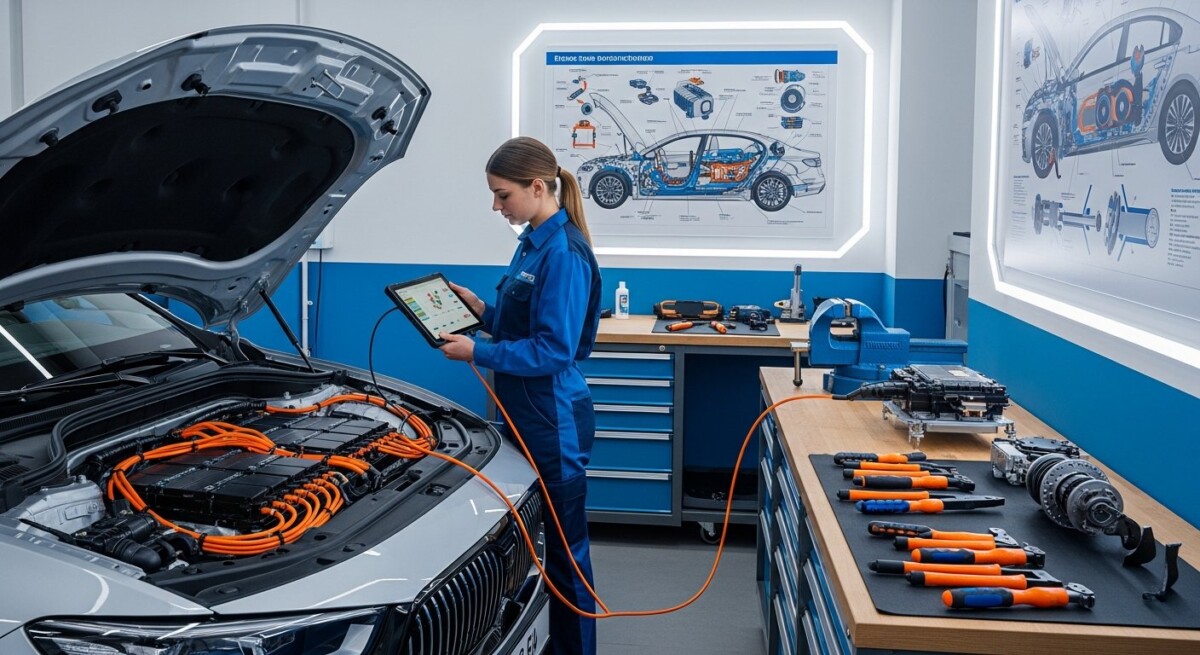
As more drivers switch to hybrid and electric vehicles (EVs), a critical question arises: does standard auto insurance cover the unique components and higher repair costs of these cars? The answer is more nuanced than a simple yes or no. Hybrid and electric cars share many similarities with traditional vehicles, but their batteries, electric motors, and regenerative braking systems require specialized knowledge and parts. This article explains what coverage for hybrid and electric cars typically includes, where gaps may exist, and how to avoid surprise expenses after an accident or breakdown.
How Standard Auto Insurance Applies to Hybrids and EVs
Most standard auto insurance policies provide the same basic protections for hybrid and electric cars as they do for gasoline-powered vehicles. Liability coverage, collision coverage, and comprehensive coverage all apply in the same way. However, the key difference lies in the cost of repairs and replacement parts. Electric vehicles often have higher repair costs due to expensive battery packs, specialized electronics, and limited availability of certified technicians. Insurers calculate premiums based on the vehicle’s value and repair costs, so EV owners frequently pay more for the same coverage levels than owners of comparable gas cars.
For example, a standard collision policy will pay to repair your Tesla Model 3 after an accident, but the payout may not cover the full cost of a new battery if the damage is extensive. Many policies have limits on parts replacement that do not account for the higher price of EV components. This gap is where understanding your specific policy details becomes essential. In our guide on things you need to know about automobile insurance coverage, we explain how to read your declarations page and identify coverage limits for specialty vehicles.
Unique Coverage Needs for Hybrid and Electric Cars
Battery and Electrical System Protection
The battery pack is the most expensive component in an electric or hybrid vehicle, often costing between $5,000 and $20,000 to replace. Standard comprehensive or collision coverage may cover battery damage caused by an accident, fire, or theft. However, battery degradation over time is generally not covered by auto insurance. Manufacturers typically cover battery defects under a separate warranty (often 8 years or 100,000 miles), but if your battery fails due to age or normal wear, insurance will not help. Some insurers now offer optional endorsements that provide additional protection for EV batteries, but these are not yet universal. Ask your agent whether your policy includes coverage for battery replacement or repair beyond the manufacturer’s warranty.
Charging Equipment and Cables
If you own a home charging station or carry a portable charging cable in your trunk, you need to consider how your insurance covers these items. A standard auto policy typically covers personal property inside the vehicle under comprehensive coverage, but only up to a limited amount (often $200 to $500). High-end charging cables or wall-mounted units may exceed that limit. Additionally, if your charging station is stolen from your garage, your homeowners insurance might cover it, not your auto policy. To avoid gaps, check whether your insurer offers a rider for EV charging equipment or consider increasing your comprehensive coverage limit for personal belongings.
Similarly, if you use public charging stations and the cable is damaged while attached to your car, the incident may fall under collision or comprehensive coverage depending on the cause. For example, if you accidentally drive away with the cable still plugged in, collision coverage would likely apply. But if someone vandalizes the cable, comprehensive coverage would handle the claim. Understanding these distinctions can save you from unexpected out-of-pocket costs.
Comparing Insurance Costs: Hybrid vs. Electric vs. Gas
Insurance premiums for hybrid and electric cars are generally higher than for comparable gas vehicles, but the difference varies by model and insurer. Below are the primary factors that influence rates:
- Vehicle value: EVs like the Tesla Model S or Lucid Air have higher MSRPs, which raises comprehensive and collision premiums.
- Repair complexity: Specialized parts and certified technicians increase labor and parts costs for insurers.
- Safety ratings: Many EVs earn top safety scores, which can offset some premium increases through discounts.
- Mileage and usage: Some insurers offer lower rates for low-mileage drivers, which benefits EV owners who primarily commute short distances.
- Battery replacement risk: Insurers factor in the likelihood of battery damage or fire, though modern EVs have strong safety records.
On average, EV owners pay 10% to 20% more for insurance than owners of similar gas cars. Hybrids fall somewhere in between, as they share some components with traditional vehicles but still carry expensive battery systems. To get the best rate, compare quotes from at least three insurers that specialize in or have experience with electric vehicles. Some companies, like Progressive and Geico, offer specific discounts for EVs or hybrid owners.
It is also worth noting that your driving habits can influence your premium. Electric cars often have lower annual mileage than gas cars, which can qualify you for a low-mileage discount. Additionally, many insurers offer usage-based insurance programs that track your driving behavior through a mobile app or plug-in device. If you drive smoothly and avoid hard braking, you may save additional money. In our article on auto insurance comparison, we provide a step-by-step process for gathering quotes and identifying the best coverage for your budget.
Gap Insurance and Total Loss Considerations
Because electric and hybrid cars depreciate faster than many gas vehicles in the first few years, gap insurance is especially important. If you finance or lease an EV and it is totaled in an accident, your standard insurance will pay only the actual cash value (ACV) of the car, which may be less than what you owe on your loan. Gap insurance covers the difference between the ACV and your remaining loan balance. Without it, you could be left paying thousands of dollars for a car you can no longer drive.
Some insurers include gap coverage automatically for new cars, but others require a separate endorsement. Check your policy or ask your agent if gap insurance is included. If not, consider adding it, especially if you put less than 20% down on your EV or hybrid. The cost is usually modest (around $20 to $40 per year) compared to the potential financial loss. Also, remember that gap insurance does not cover negative equity from a previous trade-in; that would require a different product called “loan/lease payoff coverage.”
Another total loss consideration involves the battery. If your EV is declared a total loss, the insurance settlement typically includes the value of the battery as part of the car. However, if the battery was damaged separately from the accident (e.g., from a manufacturing defect), the claim may be denied under your auto policy. Keep detailed records of your battery’s health and any warranty claims to support your case if needed.
Discounts and Savings Opportunities for EV and Hybrid Owners
Insurance companies are increasingly offering discounts tailored to electric and hybrid vehicle owners. Here are some common savings opportunities you should explore:
- Green vehicle discount: Some insurers provide a 5% to 10% discount for driving a hybrid or electric car, recognizing their lower environmental impact and reduced accident risk in some studies.
- Low-mileage discount: If you drive fewer than 7,500 miles per year (common for EV commuters), you may qualify for a significant reduction.
- Multi-policy discount: Bundling your auto insurance with homeowners or renters insurance often yields 10% to 15% savings.
- Safety feature discount: Many EVs come standard with advanced driver-assistance systems (ADAS) like automatic emergency braking and lane-keeping assist, which can earn you additional discounts.
- Usage-based insurance: Programs like Progressive Snapshot or Allstate Drivewise reward safe driving habits with lower rates.
Not all insurers offer these discounts, so it pays to shop around. Some regional insurers specialize in green vehicles and may provide more competitive rates than national carriers. Additionally, consider raising your deductible to $1,000 or more if you have an emergency fund to cover that amount. A higher deductible can reduce your premium by 10% to 20% while still protecting you against major losses. For more detailed guidance on lowering your premiums, read our post on auto insurance discounts.
Frequently Asked Questions
Does my standard auto insurance cover the battery in my electric car?
Yes, standard comprehensive and collision coverage typically cover the battery if it is damaged in an accident, stolen, or destroyed by fire. However, battery degradation from normal use or age is not covered. You may need a separate warranty or endorsement for battery performance issues.
Do I need special insurance for a plug-in hybrid?
Not necessarily. Most plug-in hybrids are covered by standard auto policies, but you should verify that your coverage limits are adequate for the battery and electrical components. Some insurers offer optional endorsements for high-voltage systems, which can be worthwhile if you want extra protection.
Will my insurance rates go up if I switch from a gas car to an electric car?
In many cases, yes. Electric cars tend to have higher repair costs and higher values, leading to higher premiums. However, the increase may be offset by discounts for safety features, low mileage, or green vehicles. Always compare quotes before purchasing a new EV to understand the insurance impact.
What happens if my charging cable is stolen from my car?
If the cable is inside your vehicle at the time of theft, comprehensive coverage may reimburse you up to your policy’s limit for personal property (often $200 to $500). If the cable is stolen from your home, your homeowners or renters insurance would apply. Consider increasing your comprehensive coverage limit if you carry expensive equipment.
Can I insure a used electric car the same way as a new one?
Yes, but the coverage options may differ. Used EVs have lower values, so you might consider dropping collision or comprehensive if the car is worth less than $4,000. However, keep in mind that battery replacement costs remain high, so maintaining comprehensive coverage is often wise even on older EVs.
Making an Informed Decision About Your Coverage
Choosing the right coverage for hybrid and electric cars requires balancing protection against cost. Start by reviewing your current policy to see if it includes adequate limits for battery replacement, charging equipment, and total loss scenarios. Then, obtain quotes from at least three insurers that specialize in or have experience with electric vehicles. Ask each agent about green vehicle discounts, gap insurance, and optional endorsements for electrical components. If you are unsure about any clause, request a written explanation from your insurer.
Finally, remember that your needs may change as your car ages or as you accumulate mileage. Reassess your coverage annually or whenever you make a major purchase like a home charging station. By staying proactive, you can ensure that your hybrid or electric car is protected without overpaying for unnecessary coverage. For a complete overview of how different coverage types interact, see our article on personal injury and property damage coverage. And if you ever wonder about specific mechanical failures, our guide on whether auto insurance covers clutch replacement offers useful context for understanding what is and is not included.