
Comprehensive Auto Insurance 2026 | What’s Covered & Costs
Comprehensive auto insurance covers vehicle damage from theft, weather, vandalism, and animal collisions. It’s essential protection for unpredictable events beyond your control on and off the road.

By Emily Roberts
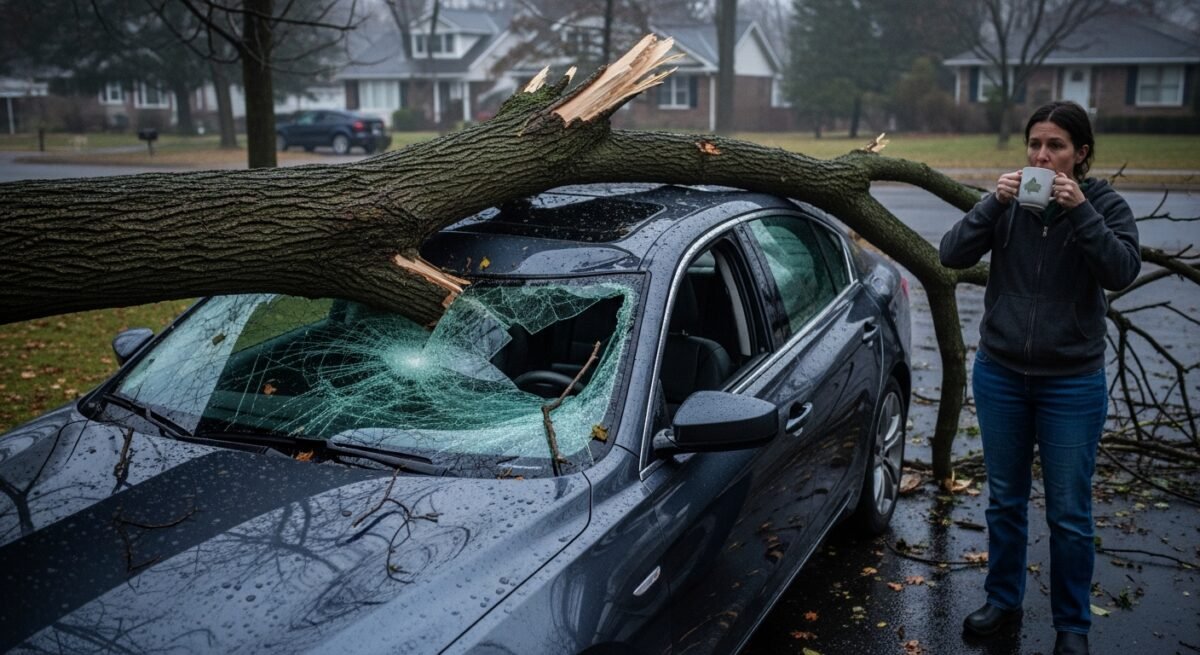
Your car is parked safely in your driveway, yet you wake up to find a large branch from a storm has crushed the roof. Or, you return to a shopping center parking lot to discover your vehicle is simply gone, stolen in broad daylight. These are the moments when the true value of comprehensive auto insurance 2026 becomes crystal clear. Unlike collision coverage, which handles accidents with other vehicles or objects, comprehensive insurance is your financial shield against the unpredictable and often uncontrollable events that can damage or destroy your vehicle. It’s the coverage that protects your investment from life’s curveballs, offering peace of mind that extends far beyond the open road.
Defining Comprehensive Coverage: Beyond Collisions
Comprehensive auto insurance, often called “other than collision” coverage, is a specific type of auto insurance that pays for damage to your vehicle caused by events outside of a collision with another car or object. It’s a critical component of what is commonly referred to as “full coverage,” which typically combines liability, collision, and comprehensive protection. The core purpose is to cover losses that feel particularly unjust because they often occur when you are not even behind the wheel. For example, if a hailstorm dents your entire hood and roof, or a fire damages your engine compartment, comprehensive coverage is what you would turn to for repairs. Understanding the distinct role of this coverage is the first step in building a robust auto insurance plan that addresses a wide spectrum of risks.
What Does Comprehensive Insurance Actually Protect Against?
The list of perils covered under a standard comprehensive auto insurance policy is surprisingly broad, focusing on environmental, criminal, and accidental events. While policies can vary by insurer and state, the common covered events create a strong safety net. For a deeper look at the specifics, our guide on what is included in comprehensive car insurance provides a detailed breakdown.
Key covered events typically include:
- Theft: If your vehicle is stolen, comprehensive coverage can reimburse you for its actual cash value, minus your deductible.
- Vandalism: This includes keying, broken windows, slashed tires, and graffiti.
- Weather and Natural Disasters: Damage from hail, windstorms, floods, hurricanes, tornadoes, lightning, and earthquakes (unless a separate earthquake policy is required).
- Falling Objects and Projectiles: This covers tree branches, rocks kicked up from the road, and debris falling from buildings or other vehicles.
- Fire: Damage resulting from accidental fires, wildfires, or arson.
- Animal Collisions: Striking an animal, such as a deer, elk, or moose, is covered under comprehensive, not collision.
- Glass Damage: Cracked or shattered windshields and windows, often with a separate, lower deductible or even zero-deductible glass coverage in some states.
It is equally important to know what is excluded. Comprehensive insurance does not cover damage from a collision with another vehicle or a stationary object like a guardrail or tree (that’s collision coverage). It also does not cover mechanical breakdowns, wear and tear, or damage from neglecting vehicle maintenance. If you are at fault in an accident, your collision coverage, not comprehensive, would apply for your vehicle’s repairs.
How Comprehensive Coverage Works: Deductibles and Claims
Filing a comprehensive claim follows a specific process. First, you pay your chosen deductible—the out-of-pocket amount you selected when purchasing the policy. The insurance company then pays the remaining cost to repair the vehicle, up to its actual cash value (ACV) at the time of the loss. The ACV is the market value of your car, considering its age, mileage, and condition before the damage occurred. If the cost of repairs exceeds the ACV, the insurer will typically declare the vehicle a total loss and pay you the ACV minus your deductible. Choosing your deductible is a crucial financial decision. A higher deductible (e.g., $1,000) will lower your premium but means you pay more out-of-pocket if you file a claim. A lower deductible (e.g., $250) raises your premium but reduces your immediate cost during a claim. The right balance depends on your financial comfort and the value of your vehicle.
Do You Really Need Comprehensive Auto Insurance?
This isn’t a one-size-fits-all answer. The necessity of comprehensive coverage hinges largely on the value of your vehicle and your financial situation. For newer cars, leased vehicles, or cars with a loan, comprehensive coverage is almost always required by the lender or leasing company to protect their financial interest. For older vehicles, the calculation changes. A good rule of thumb is to consider the value of your car versus the annual cost of the premium plus your deductible. If your car’s value is low—say, $3,000—and your annual comprehensive premium is $400 with a $500 deductible, you would pay $900 out-of-pocket in a total loss scenario for a $3,000 car. In such cases, it may be more cost-effective to self-insure by setting aside savings instead of paying the premium. However, if the potential loss would be a significant financial hardship, maintaining the coverage for peace of mind can be worthwhile, even on an older vehicle.
Cost Factors and Ways to Save
The cost of comprehensive insurance is influenced by several variables. Your location plays a major role; areas prone to hailstorms, wildfires, high theft rates, or frequent deer collisions will have higher premiums. The make, model, and age of your vehicle are also critical. A car with expensive parts or a high theft rate will cost more to insure comprehensively. Your personal driving record, while more closely tied to liability and collision premiums, can also be a factor. Finally, your chosen deductible directly impacts your premium cost. To find the best value, it’s essential to shop for auto insurance online and compare quotes from multiple carriers. Other savings strategies include bundling your auto policy with homeowners or renters insurance, inquiring about discounts for anti-theft devices or passive security features, and maintaining a good credit score where permitted by law.
Comprehensive Coverage in the Context of Your Full Policy
Comprehensive insurance is just one piece of a complete auto insurance portfolio. It works in tandem with other essential coverages. Liability insurance is legally required in most states and covers injuries and property damage you cause to others. Collision coverage handles damage to your car from accidents with vehicles or objects. Personal Injury Protection (PIP) or Medical Payments coverage handles medical expenses for you and your passengers. Uninsured/Underinsured Motorist coverage protects you if you’re hit by a driver with little or no insurance. Together, these form a robust “full coverage” policy. For drivers with luxury, classic, or high-value vehicles, standard comprehensive limits may not suffice. In such cases, exploring high value auto insurance options is advisable, as these policies often offer agreed value coverage and specialized repair networks to properly protect your investment.
Frequently Asked Questions About Comprehensive Insurance
Is hitting an animal considered comprehensive or collision?
Striking an animal like a deer, dog, or bird is almost always covered under comprehensive insurance, not collision. This is a key distinction that surprises many drivers.
Does comprehensive insurance cover a cracked windshield?
Yes, glass damage is a standard part of comprehensive coverage. Many insurers offer a separate glass deductible that is lower (often $0 or $100) than your main comprehensive deductible, especially in states with high rates of road debris.
If my car is stolen, what does comprehensive insurance pay?
It pays the actual cash value (ACV) of your vehicle at the time of the theft, minus your deductible. It does not pay for a brand-new replacement unless you have a specialized “new car replacement” rider on your policy.
Do I need comprehensive insurance on an old, paid-off car?
It is not legally required, but it may be financially prudent if the car’s value is still significant to you. Evaluate the annual premium cost against the car’s current market value to decide.
Will a comprehensive claim raise my insurance rates?
It can, but not as severely as an at-fault collision claim. Since comprehensive claims are typically for events outside your control, insurers may be more forgiving. However, frequent comprehensive claims can label you as higher risk.
Ultimately, comprehensive auto insurance is about managing financial risk from the unforeseen. It transforms a potentially catastrophic loss from a stolen vehicle or a natural disaster into a manageable incident with a known deductible. By carefully assessing your vehicle’s value, your personal risk tolerance, and the specific threats common in your area, you can make an informed decision on whether this coverage is a necessary layer of protection for you. A well-structured policy that includes comprehensive coverage where appropriate ensures that your financial well-being isn’t left vulnerable to chance.