
Commercial Auto Insurance for Gig Economy Drivers
Commercial auto insurance for gig economy drivers closes coverage gaps that personal policies leave open. Call 8332147506 to compare options.

By Nyla Kensington
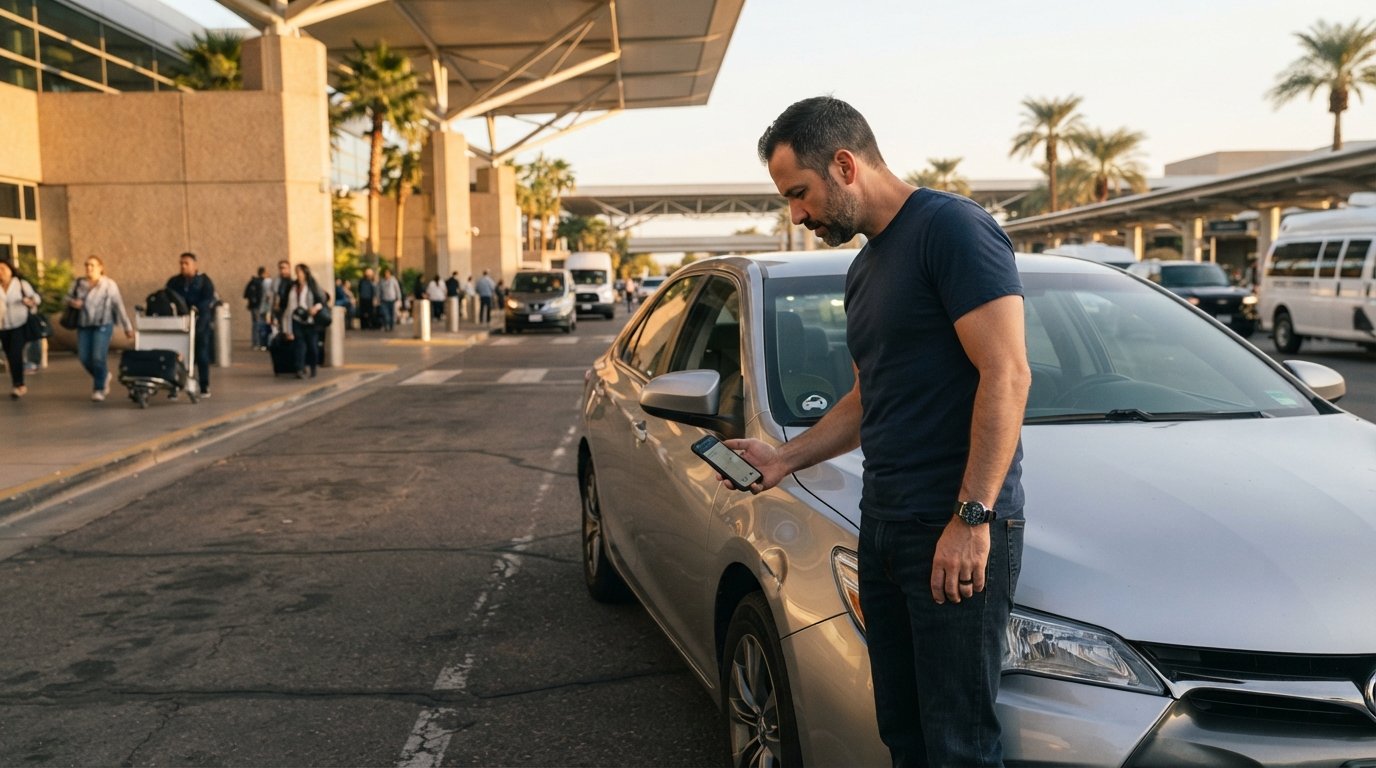
A rideshare driver in Phoenix logs 1,100 miles a week, ferries passengers through airport terminals, and assumes that the personal policy on the car covers everything. Six months later, a fender bender during an active trip turns into a denied claim, a canceled policy, and a repair bill paid entirely out of pocket. That scenario repeats every day in cities across the United States, and it happens for one reason: personal auto policies are not built for commercial use. If you drive for Uber, Lyft, DoorDash, Instacart, Amazon Flex, or any other platform, understanding commercial auto insurance for gig economy drivers is not optional reading. It is the difference between a covered loss and a financial setback that follows you for years.
The good news is that the insurance market has caught up with the gig economy. Carriers now offer products designed specifically for app-based drivers, and the coverage landscape is clearer than it was just a few years ago. This guide breaks down how coverage works, where the gaps hide, what you should expect to pay, and how to compare options without overpaying for protection you may already have.
Why Personal Auto Policies Fall Short for Gig Work
Standard personal auto policies include language that excludes any vehicle used for livery, delivery, or transportation of goods and people for a fee. That exclusion is not a technicality. When an insurer discovers that a vehicle was being used for DoorDash deliveries during an accident, it can deny the claim entirely and, in many states, cancel the policy for material misrepresentation. The financial exposure is real: injury liability, vehicle damage, and legal costs all land on the driver.
Many drivers assume the platform's insurance kicks in automatically. It does, but only in narrow windows. Rideshare companies typically provide limited liability coverage while the app is on and the driver is waiting for a request, then higher limits once a trip is accepted. Delivery platforms often provide even less. Critically, those platform policies usually do not cover the driver's own vehicle damage unless the driver carries collision and comprehensive coverage on a personal policy, and even then, the platform's contingent coverage may apply only after a deductible that can reach $2,500.
That leaves three coverage periods to think about, and each one creates a different risk profile:
- App off: Personal policy applies, and gig-related exclusions do not matter.
- App on, waiting for a request: Platform coverage is limited, and personal policies may still exclude the loss.
- App on, trip or delivery accepted: Platform coverage increases, but gaps in vehicle damage and rideshare-specific endorsements remain.
Understanding those three periods is the foundation of any smart coverage strategy. Drivers who ignore the middle period, the one where most accidents actually happen, are the ones who end up filing claims that get denied.
What Counts as Commercial Use in the Eyes of Insurers
Insurers do not care about your job title. They care about how the vehicle is used. Any of the following activities generally pushes a vehicle into commercial territory: transporting passengers for a fee, delivering food or packages, carrying tools or equipment to job sites, hauling materials for clients, or using a personal vehicle to run a business. Even driving to multiple client meetings in a single day can raise questions if the insurer determines the vehicle is used principally for business.
This distinction matters because it determines which policy form you need. A rideshare endorsement added to a personal policy covers some app-based driving but usually not delivery work. A commercial auto policy covers business use broadly but may be priced higher than a personal policy with an endorsement. A business use endorsement on a personal policy is a middle ground that fits some drivers, particularly those who use a vehicle for consulting, sales, or light errands rather than passenger transport.
The takeaway is simple: match the policy to the actual use, not to the label you prefer. If you drive for multiple platforms, disclose all of them. If you occasionally deliver furniture for a side business, mention it. Honesty at the application stage prevents denials at the claims stage.
Coverage Options Built for App-Based Drivers
The market now offers several distinct paths, and choosing the right one depends on your platform mix, your vehicle, and your state's rules. The main options are rideshare endorsements, commercial auto policies, and business use endorsements. Each has trade-offs in cost, complexity, and protection.
A rideshare endorsement, sometimes called a Transportation Network Company endorsement, extends a personal policy to cover app-based driving during the gaps the platform leaves open. It typically adds liability, collision, and comprehensive coverage during the waiting period and may reduce the deductible for vehicle damage. The endorsement is inexpensive, often adding $10 to $30 per month, but it usually applies only to rideshare platforms, not delivery apps.
A commercial auto policy is the broadest option. It covers business use without the exclusions that trip up personal policies, and it can be tailored with limits that match your exposure. For full-time drivers who log 40 or more hours a week, this is often the most defensible choice. The trade-off is cost and complexity: commercial policies typically require higher liability limits and may come with annual audits.
A business use endorsement sits between the two. It removes the business-use exclusion from a personal policy for specific activities, such as visiting clients or carrying samples, but it generally does not cover passenger transport or high-frequency delivery. For part-time drivers who mainly use a vehicle for errands and occasional gigs, it can be a cost-effective middle ground.
For drivers who also own a home or rent an apartment, there is an additional angle worth exploring: bundling auto and property coverage can unlock savings that offset the cost of upgraded auto protection. Our guide on auto insurance for renters and homeowners explains how to combine policies strategically and where the real savings show up.
How to Compare Commercial Auto Insurance Quotes
Price shopping for gig coverage is not the same as shopping for a personal policy. The underwriting questions are different, the coverage forms vary more widely, and the cheapest quote is often the one with the largest gaps. A disciplined comparison process keeps you from trading premium savings for uncovered risk.
Start by gathering the facts an insurer will ask for: your platform or platforms, annual mileage, the percentage of driving that is business-related, your vehicle's age and value, your driving record, and your state's minimum liability requirements. Then follow a structured comparison:
- Confirm the policy form. Ask whether the quote is a commercial auto policy, a personal policy with a rideshare endorsement, or a business use endorsement. The form determines what is covered.
- Check the liability limits. Platform coverage is often capped at $1 million during active trips but drops to state minimums during the waiting period. Your policy should fill that gap.
- Review vehicle damage coverage. Confirm whether collision and comprehensive apply during app-based driving and what deductible applies.
- Ask about multiple platforms. If you drive for both a rideshare and a delivery app, confirm that both are covered under the same policy.
- Verify the claims process. Ask how claims are handled when the platform's insurer and your insurer both have potential liability.
That last point matters more than most drivers realize. When a loss occurs during an active trip, two insurers may be involved, and coordination can slow down repairs and medical payments. A policy with a clear claims process and a responsive adjuster is worth a slightly higher premium.
For drivers who want a fast starting point, FreeAutoInsuranceQuotesOnline provides free, no-obligation quotes from multiple carriers and educational resources that explain coverage options in plain language. It is a useful first stop before you commit to a single insurer, especially if you are new to commercial coverage and unsure what limits make sense.
Cost Factors and Realistic Premium Expectations
Commercial auto insurance for gig economy drivers costs more than a personal policy, but the increase is often smaller than drivers fear. Several factors drive the final number, and understanding them helps you set realistic expectations and find legitimate savings.
The biggest variables are annual mileage, the type of gig work, the vehicle's value, the driver's record, and the state. A part-time rideshare driver in a mid-size sedan might pay $150 to $250 per month for a commercial policy, while a full-time driver with a newer vehicle and a clean record in a high-cost state could pay $300 to $500 per month. Rideshare endorsements on a personal policy are cheaper, often $10 to $30 per month, but they cover less.
Discounts can meaningfully reduce the total. Safe driver discounts, multi-policy bundling, paid-in-full discounts, and low-mileage discounts all apply to many commercial and endorsement products. Telematics programs, which monitor driving behavior, are increasingly available for gig drivers and can reward smooth braking and low-risk hours. Bundling auto with renters or homeowners coverage is one of the most reliable ways to lower the combined premium, and it also simplifies claims when multiple policies are involved.
It also helps to revisit coverage annually. Mileage changes, platform changes, and vehicle changes all affect rates. A policy that was competitive last year may be overpriced this year, and a quick comparison can reveal savings without reducing protection.
Common Mistakes That Lead to Denied Claims
The most expensive mistake a gig driver can make is assuming coverage exists when it does not. Denied claims rarely happen because an insurer is acting in bad faith. They happen because the policy language never covered the loss in the first place.
Four mistakes show up again and again. First, failing to disclose gig work at the application stage, which gives the insurer grounds to rescind the policy. Second, relying on platform coverage for vehicle damage when the platform only provides liability. Third, letting a personal policy lapse while between gigs, which creates a coverage gap that follows the driver for years. Fourth, choosing the cheapest quote without checking whether it covers the specific platforms the driver uses.
Avoiding those mistakes is straightforward: disclose everything, confirm the coverage form in writing, maintain continuous coverage, and compare quotes from multiple carriers before renewing. Drivers who follow that routine rarely find themselves surprised at claim time.
Frequently Asked Questions
Does my personal auto policy cover DoorDash or Uber Eats deliveries?
In most cases, no. Personal policies typically exclude delivery driving, and a standard rideshare endorsement may not extend to food delivery. Drivers who deliver should look for a commercial policy or an endorsement that specifically includes delivery platforms.
Can I get commercial auto insurance if I drive part-time?
Yes. Part-time drivers often qualify for rideshare endorsements or business use endorsements, which cost less than full commercial policies. The right choice depends on how many hours you drive and which platforms you use.
What happens if I get into an accident while waiting for a ride request?
This is the coverage gap that catches most drivers. Platform coverage during the waiting period is usually limited to liability at or near state minimums, and personal policies may exclude the loss. A rideshare endorsement or commercial policy is designed to close that gap.
Will filing a claim raise my commercial auto premium?
It can, depending on the insurer and the claim's severity. At-fault accidents typically affect rates more than not-at-fault claims. Some carriers offer accident forgiveness or safe driver discounts that limit the increase.
How often should I compare commercial auto quotes?
At least once a year, and any time your mileage, vehicle, or platform mix changes. Rates vary widely between carriers, and a quick comparison often uncovers savings of 10 to 30 percent without reducing coverage.
Gig work rewards flexibility, but it also shifts risk onto the driver. The coverage that protects you is not the one that comes automatically with the app; it is the one you choose deliberately, after comparing forms, limits, and costs. Take the time to confirm what your platform provides, what your personal policy excludes, and what a commercial policy or endorsement would add. Then compare quotes from multiple carriers, ask direct questions about claims handling, and revisit the decision every year. Drivers who treat insurance as part of the job, rather than an afterthought, are the ones who keep their earnings instead of handing them to a repair shop or an attorney.