
Classic Car Insurance Requirements and Options Explained
Classic car insurance requirements and options vary by carrier. Learn how agreed value works and what it takes to qualify for specialty coverage.

By Owen Calder
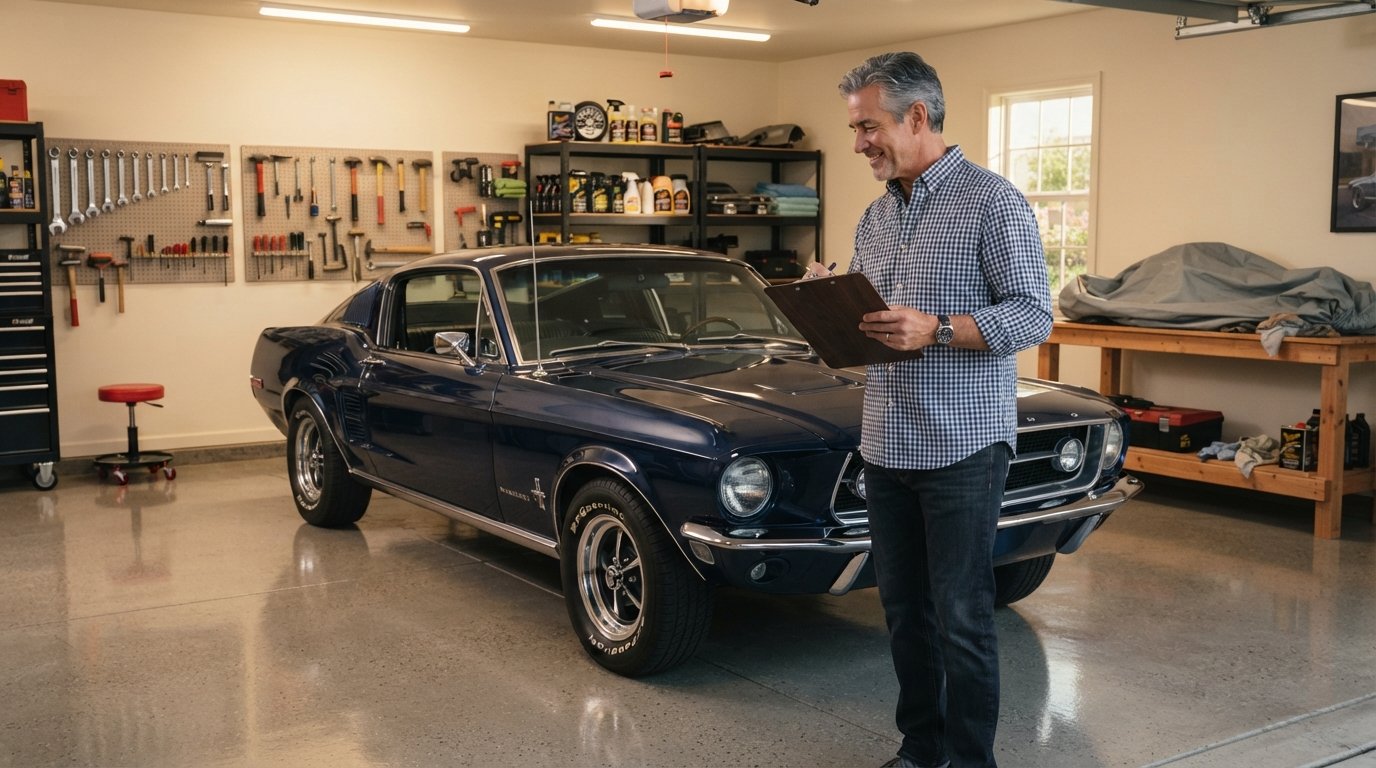
That restored 1967 Mustang in your garage is not just a car, it is a rolling investment, a weekend passion, and a piece of automotive history. But when you call a standard insurance company to add it to your policy, you often hit a wall of confusion. The agent asks for your daily commute mileage, wants to know if you drive it to work, and treats it like a used commuter sedan. That mismatch between how you use your classic car and how standard policies are structured is exactly why classic car insurance exists as a distinct product category. Understanding the classic car insurance requirements and options before you shop will save you money, protect your investment, and prevent a nasty surprise if a claim ever happens.
What Makes a Car Classic Enough for Specialty Coverage
Not every older vehicle qualifies for classic car insurance. Insurers draw clear lines around age, usage, and condition, and those lines determine whether you get an agreed value policy or a standard actual cash value policy. The first requirement is almost always age. While definitions vary slightly by carrier, most classic car insurers consider a vehicle eligible once it is at least 10 to 25 years old, with the sweet spot typically landing between 15 and 25 years. Some carriers set the bar at 20 years, while others will accept a 10 year old limited production vehicle if it has collector appeal.
Age alone is not enough. Condition matters just as much. A classic car insurance policy is designed for vehicles that are maintained in good or better condition, not daily drivers with rust, dents, and 200,000 miles of wear. Insurers want to see that the vehicle is garaged, well kept, and not used for everyday transportation. If your car is your only vehicle and you drive it to work every day, you will likely be denied coverage under a classic policy.
Usage restrictions form the backbone of eligibility. Most classic car policies require that the vehicle is used for pleasure driving, club events, car shows, parades, and occasional weekend drives. You must typically have at least one other vehicle as your primary daily driver. Annual mileage limits usually fall between 2,500 and 7,500 miles per year, though some policies allow unlimited mileage for a higher premium. The insurer may also require that the car is stored in a locked garage or secure storage facility when not in use.
There are also specific vehicle categories that fall under the classic umbrella. Antique cars are generally 25 years or older and maintained in original condition. Classic cars are often 10 to 25 years old and may include limited production or high interest models. Muscle cars, street rods, modified vehicles, and exotics each have their own underwriting rules. Some carriers specialize in one category, while others cover the full spectrum. Knowing where your vehicle fits helps you target the right insurers from the start.
The Core Requirements You Must Meet Before You Qualify
Before you can sign a classic car policy, you will need to satisfy a checklist of underwriting requirements. These requirements exist because classic car insurers take on a different kind of risk than mass market auto insurers. They are protecting a vehicle whose value is often subjective, appreciating, or tied to restoration costs rather than simple depreciation curves.
Here are the most common requirements you will encounter when applying for classic car insurance:
- Proof of primary vehicle: You must own or lease at least one other vehicle for daily driving, and it must be insured under a separate policy.
- Garage or secure storage: The classic car must be stored in an enclosed, locked garage or a secure storage unit when not in use.
- Driving record review: Most insurers check your motor vehicle record for major violations, DUI convictions, or excessive at fault accidents within the past three to five years.
- Annual mileage limits: You must agree to a mileage cap, commonly between 2,500 and 7,500 miles per year, and the insurer may verify odometer readings.
- Vehicle condition and photos: You will need to submit clear photos of the exterior, interior, engine bay, and odometer, and some insurers require a professional appraisal for high value vehicles.
Beyond these baseline requirements, some insurers impose additional rules. For example, they may require that the classic car is not used for commercial purposes, racing, or off road driving. They may also require that all household members of driving age are listed on the policy or excluded if they have poor driving records. If you have a young driver in the house, some classic car insurers will require a named exclusion for that driver to keep the policy affordable.
Driving record standards are stricter than you might expect. A single DUI or reckless driving conviction can disqualify you from many classic car programs. Even a couple of at fault accidents within a three year window can push you into a non standard market or force you to accept a much higher premium. If your record is not clean, it is still worth shopping around because some carriers are more forgiving than others. Working with an independent comparison resource like SR-22 insurance requirements for drivers can help you understand how high risk flags affect eligibility across different policy types.
Agreed Value vs Actual Cash Value: The Most Important Option You Will Choose
The single biggest difference between a standard auto policy and a classic car policy is how the insurer values your vehicle at the time of a total loss. Standard policies use actual cash value, which means the payout is the replacement cost minus depreciation. For a classic car, that formula is brutal. A beautifully restored 1965 Corvette might have a market value of 70,000 dollars, but an actual cash value policy could pay out a fraction of that based on a depreciation schedule that treats the car like an old used vehicle.
Classic car policies almost always use agreed value. With agreed value coverage, you and the insurer agree on the vehicle's worth at the time the policy is written. That amount is documented, and if the car is stolen or totaled, the insurer pays that agreed amount, minus any deductible. No depreciation, no haggling over market comps, no arguments about whether your restoration work added value. Agreed value is the gold standard for collector vehicles, and it is the primary reason enthusiasts seek out specialty coverage in the first place.
Some policies offer a variation called stated value. With stated value, you declare a value, but the insurer is only obligated to pay the lesser of the stated amount or the actual cash value at the time of loss. In practice, stated value policies often lead to disputes because the insurer can argue that the car was worth less than what you stated. Agreed value is stronger and more predictable. If you want certainty, insist on agreed value.
To establish an agreed value, most insurers require documentation. That could be a professional appraisal, recent photographs, receipts for restoration work, or a combination of all three. Some insurers will accept a bill of sale and photos for lower value vehicles. For high value or rare cars, a certified appraisal from a recognized classic car appraiser is usually mandatory. The appraisal cost typically runs a few hundred dollars, but it is well worth it when you are insuring a six figure vehicle.
Coverage Options That Go Beyond the Basics
Classic car insurance is not just about the value of the vehicle itself. A well structured policy includes several coverage types that address the unique risks facing collector car owners. Understanding these options helps you build a policy that actually protects your investment rather than leaving gaps you discover only after a loss.
Liability coverage is still required in nearly every state. Even if your classic car is a garage queen, if you drive it on public roads, you need bodily injury and property damage liability coverage. Classic car policies include liability coverage just like standard policies, and the limits should be high enough to protect your assets. Many collectors carry limits of 100,000 dollars per person and 300,000 dollars per accident or higher, plus a separate property damage limit.
Comprehensive and collision coverage are where classic policies shine. Comprehensive coverage pays for damage from theft, fire, vandalism, hail, flooding, and other non collision events. Collision coverage pays for damage when you hit another object or another vehicle, or when your car rolls over. For a classic car, these coverages are usually written on an agreed value basis, so the payout reflects the agreed value rather than a depreciated figure.
There are also specialized coverages that standard policies rarely offer. Spare parts coverage pays for the value of spare parts, tools, and memorabilia stored in your garage or trailer. This is important if you have a collection of rare carburetors, original chrome bumpers, or vintage signage that would be expensive to replace. Trip interruption coverage can reimburse you for lodging, meals, and transportation if your classic car breaks down far from home during a club event or road trip. Towing and labor coverage is common, but classic car policies often provide higher limits or flatbed towing, which is safer for low clearance vehicles and older drivetrains.
Another option to consider is coverage for vehicles in transit or at shows. If you trailer your car to events, you want to confirm that the policy covers the vehicle while it is being transported. Some policies include this automatically, while others require an endorsement. If you participate in track days, hill climbs, or timed events, you need to understand that standard classic car policies typically exclude racing and high speed driving events. You may need a separate motorsport policy or a track day endorsement for those activities.
How to Compare Quotes and Avoid Common Pitfalls
Once you understand the requirements and the options, the next step is shopping for coverage. The classic car insurance market is smaller than the standard auto market, but there are still enough carriers to make comparison worthwhile. Rates can vary by hundreds of dollars per year for the same vehicle and driver, so getting multiple quotes is essential.
Start by gathering your documentation. You will need the vehicle identification number, current photos, proof of ownership, your driving record, and any appraisal or restoration receipts. If you have a high value car, get an appraisal before you shop so you can present a consistent value to every insurer. That consistency makes it easier to compare quotes on an apples to apples basis.
When you compare quotes, do not look only at the premium. Look at the agreed value amount, the deductible, the mileage allowance, the liability limits, and the specific coverages included. A cheap policy with a low agreed value or a high deductible may cost you far more in the long run. Ask each insurer how they handle claims, whether they use their own appraisers or independent ones, and how long a claim typically takes to settle. A carrier that is easy to work with when you are filing a claim is worth a slightly higher premium.
If you want a streamlined way to start your search, you can use a consumer education and comparison platform to request free, no obligation quotes from multiple carriers. Compare free auto insurance quotes online to see how different insurers price your classic car and what coverage options they offer. This approach saves you from calling each company individually and helps you spot outliers quickly.
Common pitfalls to avoid include underinsuring your vehicle to save on premium, failing to disclose modifications, and assuming that your standard auto policy will cover your classic car. If you have a modified engine, custom paint, or aftermarket suspension, tell the insurer. Undisclosed modifications can void a claim. If you occasionally drive your classic car to work, be honest about it. Misrepresenting usage is one of the fastest ways to have a claim denied.
Mileage Limits, Usage Rules, and How to Stay Compliant
Mileage limits are one of the most misunderstood parts of classic car insurance. Insurers set these limits because they are pricing for a vehicle that is driven infrequently and carefully. If you exceed the limit, you may lose coverage or face a reduced payout. Most policies allow between 2,500 and 7,500 miles per year, and some offer unlimited mileage for an additional premium. The right limit depends on how you use the car.
If you drive your classic car only to local shows and occasional weekend cruises, a 3,000 mile annual limit is usually plenty. If you participate in long distance tours or drive to events in neighboring states, you may need a 5,000 or 7,500 mile limit. If you want the freedom to drive without tracking mileage, look for a policy with unlimited mileage, but expect to pay more and meet stricter underwriting requirements.
Usage rules go hand in hand with mileage. Most classic policies prohibit using the vehicle for daily commuting, business purposes, or hauling. They also prohibit racing, timed events, and off road driving. If you violate these rules and have a claim, the insurer can deny coverage. The safest approach is to read your policy carefully, ask your agent about any gray areas, and document your usage. If your lifestyle changes, such as a new job with a longer commute or a move to a different state, review your policy to make sure you are still compliant.
Final Thoughts on Protecting Your Investment
Classic car insurance requirements and options are not one size fits all. The right policy depends on your vehicle's value, how you use it, your driving record, and your storage situation. By understanding the eligibility rules, choosing agreed value coverage, and comparing quotes from multiple carriers, you can protect your investment without overpaying. Take the time to document your car, shop carefully, and ask questions. Your classic deserves coverage that treats it like the collectible it is, not like a daily driver.