
Classic Car Insurance: Protecting Your Automotive Investment
Secure agreed value coverage for your classic car to protect its true worth. Call 833-214-7506 for a personalized quote.

By Maribel Quinn
Owning a classic car is a passion project, a rolling piece of history that represents a significant financial and emotional investment. Standard auto insurance policies are designed for daily drivers that depreciate, not for appreciating assets that are driven sparingly and maintained meticulously. This fundamental mismatch is why specialized auto insurance for classic cars is not just an option, it is an essential component of responsible ownership. Understanding the nuances of this coverage can save you money, ensure proper protection, and provide peace of mind as you enjoy your prized vehicle.
How Classic Car Insurance Differs from Standard Policies
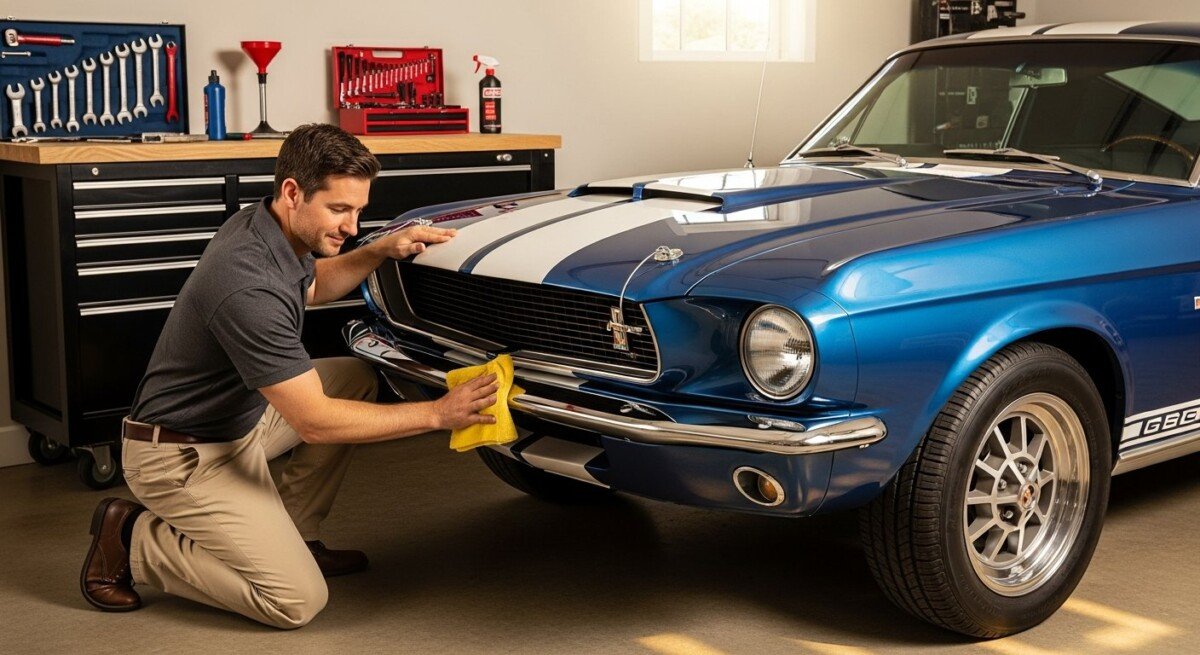
The core principle of classic car insurance is Agreed Value coverage. Unlike the Actual Cash Value (ACV) system used for everyday cars, which factors in depreciation, Agreed Value means you and the insurer agree upon the car’s worth at the policy’s inception. In the event of a total loss, you receive that predetermined amount, minus your deductible. This is crucial because market values for collectible cars can be volatile and often appreciate, a concept foreign to standard policies. Furthermore, classic car insurers understand your usage patterns. They know you are not commuting in a 1967 Shelby GT500. Policies are built around limited annual mileage, often between 1,000 and 5,000 miles, which reflects the car’s use for pleasure, shows, and occasional weekend drives. This limited use directly translates to lower premiums. Insurers also typically require secure, private garage storage, which reduces risk from weather, theft, and vandalism.
Key Coverage Features and Benefits
A robust classic car policy offers a suite of features tailored to the collector’s lifestyle. Beyond Agreed Value, you will often find coverage for spare parts, memorabilia, and tools. Restoration coverage is another critical component, protecting the vehicle and its parts while it is being restored, a period when it is especially vulnerable. Many policies include inflation guard, which automatically increases your Agreed Value periodically to keep pace with market trends. Perhaps one of the most appreciated benefits is the claims process itself. Classic car insurers typically work with repair shops that specialize in vintage vehicles and use original or correct reproduction parts, not generic modern substitutes. This ensures your car is restored to its authentic condition, preserving its value and integrity.
Eligibility and Qualification Criteria
Not every older car qualifies for classic status. Insurers have specific eligibility requirements to ensure the risk pool remains favorable. Common criteria include a minimum age for the vehicle, often 15 to 25 years, though this can vary. The car must be in good to excellent restored or original condition. It cannot be used as a primary daily driver. Ownership of another regularly insured vehicle for daily transportation is almost always a mandatory requirement. You, the owner, must also have a good driving record. The vehicle must be stored in a locked, permanent garage or storage facility. Finally, you may be subject to an annual mileage limit, which you must agree to and likely document. Meeting these criteria demonstrates to the insurer that you are a low-risk, conscientious owner.
Determining the Right Agreed Value for Your Car
Setting the Agreed Value is the most important step in securing your policy. An inaccurate valuation can lead to being over-insured (paying too much) or, worse, under-insured (facing a devastating financial shortfall after a loss). To establish a defensible value, you must conduct thorough research. Start by consulting respected pricing guides like Hagerty’s valuation tools or the NADA Classic Car guide. Search completed auction results on sites like Bring a Trailer and Hemmings for sales of comparable vehicles in similar condition. For rare or highly customized cars, a professional appraisal from a certified classic car appraiser is a wise investment. This documented appraisal provides concrete evidence for your agreed value. Remember to reassess this value every few years or after significant restoration work, as the market can shift. For broader financial planning context, including how insurance fits into your overall portfolio, our resource on finding the best home and auto insurance bundles offers valuable insights.
Common Mistakes to Avoid with Classic Car Insurance
Even experienced collectors can make costly insurance errors. One of the biggest is assuming your standard policy offers adequate protection. It does not. Another mistake is underinsuring the vehicle to save on premiums, which defeats the purpose of Agreed Value coverage. Failing to disclose modifications or recent restoration work can void coverage or lead to a denied claim. Exceeding your agreed annual mileage limits is a breach of contract that can compromise your policy. Not updating your Agreed Value as the market rises leaves you exposed. Finally, not shopping around with specialty insurers who understand the market can mean missing out on better coverage and rates. The process requires diligence, similar to the careful research needed when getting the best auto insurance quotes in Arizona or any other region.
Frequently Asked Questions
Can I drive my classic car to work occasionally?
Most classic car policies strictly prohibit using the vehicle for daily commuting or regular business use. An occasional special trip may be permissible, but you must review your policy’s verbiage. Using it as a primary vehicle violates the core principle of the coverage.
What happens if I exceed my annual mileage limit?
Exceeding your mileage limit is a serious matter. It can result in a denied claim, policy cancellation, or difficulty obtaining future classic car insurance. Some policies may offer a one-time forgiveness or a premium adjustment, but you must communicate with your insurer before exceeding the limit.
Are there different types of classic car insurance policies?
Yes. The most common is the Agreed Value policy. Some insurers also offer Stated Value policies, where you state a value but the insurer can pay the lesser of the stated value or the actual cash value at the time of loss, which is less favorable. Always opt for a true Agreed Value contract.
Does classic car insurance cover mechanical breakdowns?
Typically, no. Classic car insurance is primarily for physical damage from accidents, theft, fire, and weather-related events. It is not a mechanical warranty. Repairs needed due to wear, tear, or mechanical failure are generally the owner’s responsibility.
Can I get coverage for multiple classic cars?
Absolutely. Most specialty insurers offer collector car policies that can cover multiple vehicles on a single policy, often at a discounted rate. This is convenient and can be more cost-effective than insuring each car separately. Understanding how to manage multiple policies or vehicles is a key part of navigating auto insurance in any complex scenario.
Securing the right auto insurance for classic cars is a critical step in safeguarding your passion. It requires moving beyond the assumptions of standard coverage and engaging with specialists who appreciate what makes your vehicle unique. By focusing on Agreed Value, understanding usage restrictions, and regularly reviewing your coverage to match your car’s market worth, you can drive with confidence. Your classic car is more than just transportation, it is a legacy on wheels, and it deserves protection that recognizes its true worth. For a deeper dive into the regulatory framework that underpins all auto insurance, you can explore our guide on understanding auto insurance laws and savings in specific states.