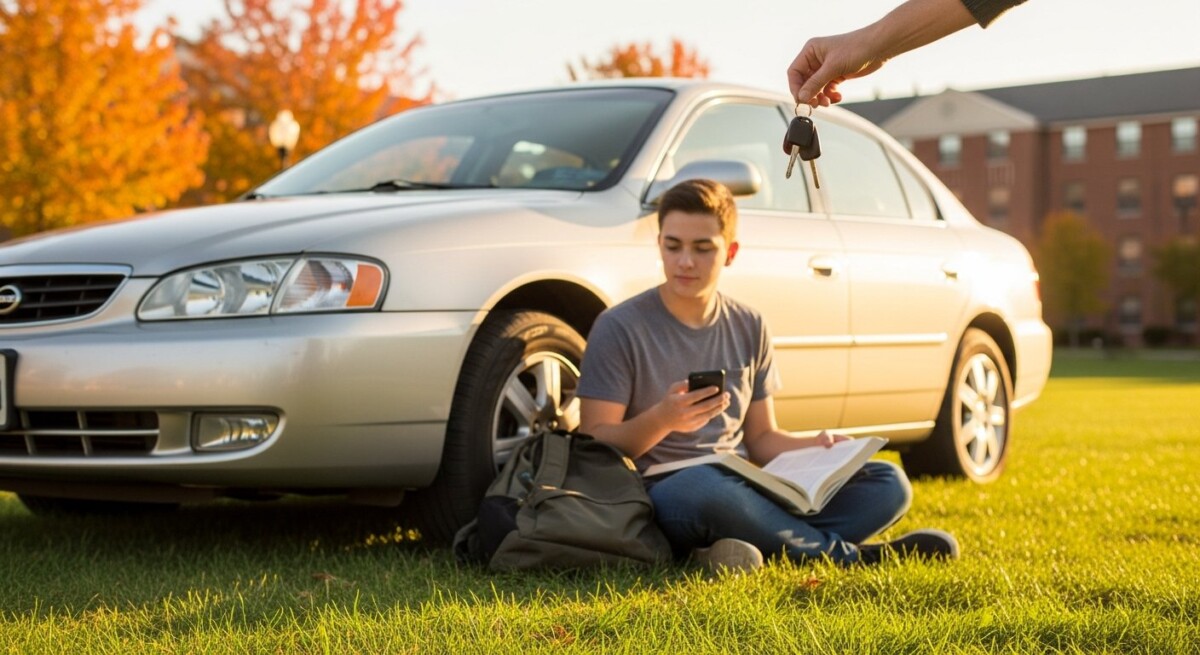
College life is a whirlwind of classes, study sessions, late-night pizza, and the occasional road trip. If you are a student or the parent of one, finding affordable car insurance can feel like just another stressful exam. Premiums for young drivers are notoriously high, but the good news is that cheap auto insurance for college students is not a myth. With the right strategy, you can secure solid coverage without draining your budget.
Insurance companies view young drivers as high-risk due to limited experience. However, they also offer a range of discounts and policy options specifically designed for students. The key is knowing which levers to pull and avoiding common pitfalls that inflate your rate. This guide walks you through the best ways to lower your premium while keeping the protection you need.
Why College Students Pay More for Auto Insurance
Before diving into savings strategies, it helps to understand why your rate is higher in the first place. Insurers use statistical data to predict risk. Drivers under 25 have more accidents per mile driven than any other age group. Distractions like smartphones, passengers, and unfamiliar roads all contribute to this trend. As a result, carriers charge higher premiums to offset the likelihood of a claim.
Another factor is credit history. Most college students have thin credit files or no credit at all. In states where credit is used to set rates, this can lead to higher premiums. Location also matters. If you park your car in a dorm lot or a city street with higher theft rates, your rate may be higher than if you park in a suburban driveway.
Top Discounts That Make Insurance Affordable
Insurance companies want your business, and they offer several discounts that can significantly lower your bill. The trick is knowing which ones apply to you and asking for them. Here are the most effective discounts for college students:
- Good Student Discount: If you maintain a B average or higher (usually a 3.0 GPA), many insurers offer a discount of 10 to 25 percent. Provide proof of your grades each semester.
- Driver Training Discount: Completing an approved defensive driving course can lower your rate. Some states even require insurers to offer this discount.
- Low-Mileage Discount: If you live on campus and rarely drive, you may qualify for a low-mileage or pay-per-mile policy. Fewer miles mean less risk.
- Multi-Policy Discount: Bundling your auto insurance with renters or life insurance from the same company can save you up to 15 percent.
- Homeowner Discount: Even if you rent, parents who own a home can often add your policy to their existing homeowners bundle for a discount.
Ask your insurer about each of these discounts. Some are automatically applied, but others require a request. A single phone call can save you hundreds of dollars per year.
How to Compare Quotes Effectively
Not all insurance companies treat college students the same. One carrier might offer a generous good student discount, while another might penalize you for living in a dorm. The best way to find cheap auto insurance for college students is to compare multiple quotes. Start by gathering your information: your vehicle’s VIN, your driving history, your current mileage, and your GPA if applicable.
Use online comparison tools to see rates from at least three to five different insurers. Look at both national carriers like Geico and Progressive and regional companies that may have more competitive rates in your area. As you compare, pay attention to the coverage limits and deductibles, not just the monthly price. A very cheap policy with minimal liability limits could leave you financially exposed after an accident. For a deeper look at finding the best rates, check out our guide on 10 Expert Tips for Getting the Best Deal on Auto Insurance.
Once you have a few quotes, compare the total annual premium rather than the monthly payment. Some companies add fees or installment charges that make the monthly plan more expensive over time. If you can pay the full six-month premium upfront, you may avoid those extra costs.
Staying on Your Parents’ Policy vs. Getting Your Own
For many college students, the cheapest option is to remain on a parent’s policy. If you are a dependent and your primary residence is still your parents’ home (even while at school), you can typically stay on their policy. This often costs less than buying a separate policy because the parent’s age, driving record, and multi-policy discounts apply to you.
However, there are exceptions. If you move to a different state for school, your parent’s insurer may not cover you in that state. In that case, you might need a separate policy. Some carriers also require that you be listed as a driver on your parent’s policy if you have regular access to the car. Failing to do so could lead to a claim denial. If you are considering a separate policy, explore options like 1st Auto Insurance: Lower Your Monthly Payments Now for competitive rates tailored to young drivers.
Another consideration is the vehicle itself. If you drive an older car with a low market value, you might drop collision and comprehensive coverage to save money. But if the car is financed or leased, the lender will require full coverage. Weigh the cost of coverage against the value of the car.
How Living Arrangements Affect Your Rate
Where you park your car at college matters more than you might think. If you live on campus and park in a secure garage, your rate may be lower than if you park on a busy street. Conversely, if you live off-campus in a high-traffic urban area, your rate could increase due to higher theft and vandalism risk.
Some insurers also consider the distance between your school and your home address. If you attend school more than 100 miles away and do not have a car on campus, you may qualify for a distant-student discount. This discount assumes you will drive less while at school. If you do bring your car, be honest about where it is parked. Misrepresenting your parking situation could void your coverage.
For students who need specialized coverage for older or classic vehicles, our article on 3 Essential Aspects to Know About Car Insurance for College Students provides additional insight into unique situations like antique cars or shared vehicles.
Choosing the Right Coverage Limits
Cheap auto insurance for college students does not mean bare-minimum coverage. State minimum liability limits are often very low and may not cover the full cost of an accident. If you cause a crash and the damages exceed your limits, you could be personally sued for the difference. That is a risk most students cannot afford to take.
A better approach is to choose higher liability limits (such as 100/300/50) while raising your deductible to lower the premium. A higher deductible means you pay more out-of-pocket before insurance kicks in, but it reduces your monthly cost. Just make sure you have at least that amount saved in an emergency fund. Also consider adding uninsured/underinsured motorist coverage. If you are hit by a driver without enough insurance, this coverage protects you.
If your car is older and worth less than $4,000, dropping collision and comprehensive might make financial sense. Calculate the annual premium for these coverages and compare it to the car’s value. If the premium is more than 10 percent of the car’s value, it may not be worth keeping.
Using Technology to Save Money
Many insurers now offer usage-based insurance programs that track your driving habits through a mobile app or a device plugged into your car. These programs reward safe driving with lower rates. For college students who drive responsibly, this can be a great way to save. You typically start with a small discount just for enrolling, and you can earn additional savings for smooth braking, steady speed, and avoiding late-night driving.
Telematics programs are especially helpful for students who drive infrequently or only during daylight hours. Since many accidents involving young drivers happen at night, staying off the road after 11 p.m. can lower your risk score. Just be aware that aggressive driving or hard braking will increase your score and could raise your rate. If you are a cautious driver, this option is worth exploring.
Frequently Asked Questions
Can I get cheap auto insurance as a college student with no driving record?
Yes. Even without a driving history, you can find affordable rates by taking advantage of good student and driver training discounts. Comparing quotes from multiple insurers is essential, and staying on a parent’s policy is often the cheapest route.
Does my GPA really affect my insurance rate?
Yes. Most major insurers offer a good student discount of 10 to 25 percent for students with a B average or higher. You usually need to provide a transcript or report card each semester to keep the discount active.
What happens if I move out of state for college?
You may need to register your car and get insurance in your new state if you live there most of the year. However, if you remain a dependent and your permanent address is your parents’ home, you can often stay on their policy. Check with your insurer to avoid a gap in coverage.
Should I buy the minimum coverage required by law?
Not if you can avoid it. Minimum coverage often leaves you exposed to lawsuits and out-of-pocket costs. It is better to buy higher liability limits and a higher deductible to keep premiums low while maintaining adequate protection.
Can I be removed from my parents’ policy if I take a car to school?
Not unless you buy your own policy. If you take a family car to college, you must be listed as a driver on the policy. Failing to do so could result in a claim denial. Talk to your insurer about adding you as a driver or getting your own policy.
For drivers with less-than-perfect credit, our guide on 5 Best Auto Insurance for Bad Credit Drivers in 2026 offers strategies for finding coverage even when your credit score is not ideal.
Finding cheap auto insurance for college students takes a bit of research, but the savings are well worth the effort. Start by checking all available discounts, compare at least three quotes, and consider staying on a parent’s policy if possible. Choose coverage limits that protect your financial future without overpaying for unnecessary extras. With these strategies, you can hit the road with confidence and keep more cash in your pocket for textbooks, ramen, and the occasional spring break trip.