
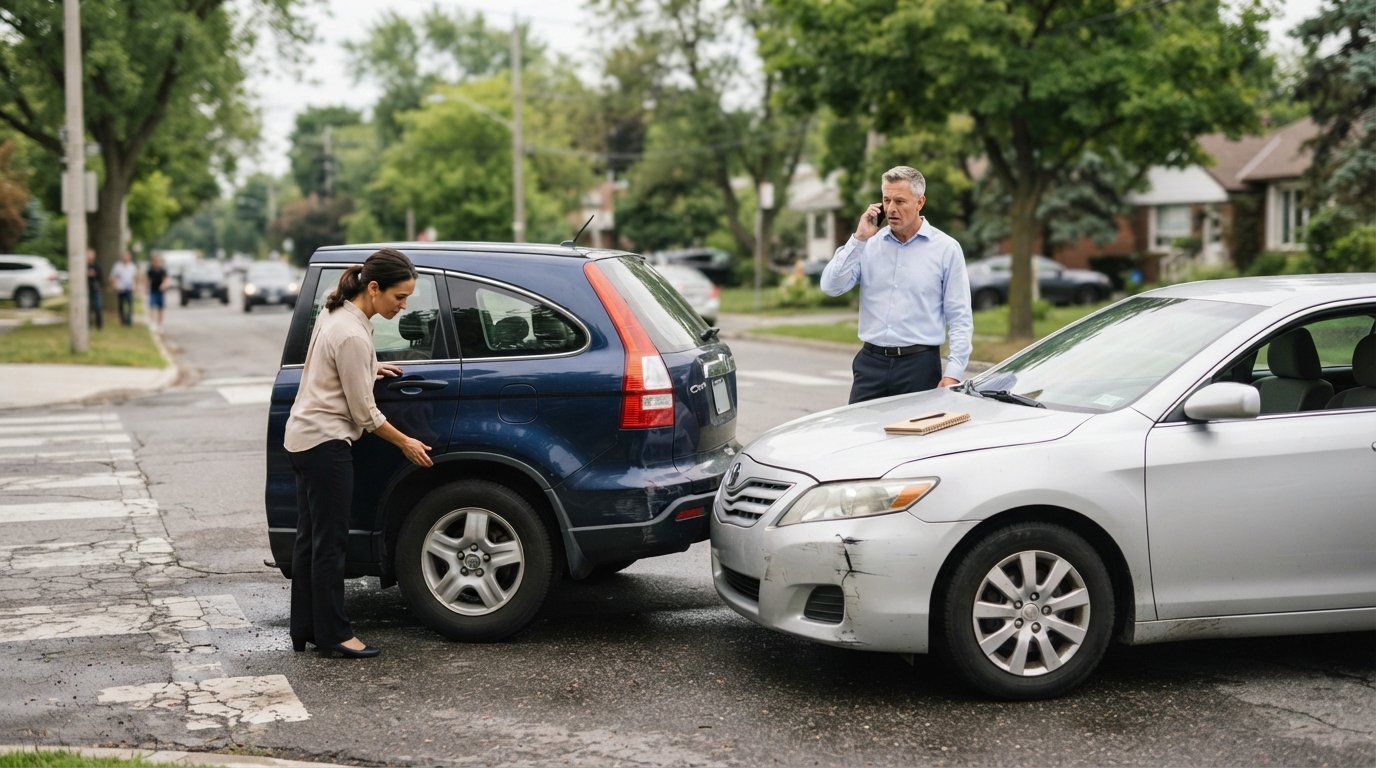
Car Accident Insurance Claims: Steps to Take After a Crash
Master the car accident insurance claims steps to protect your rights and maximize your settlement. Call 8332147506 for expert guidance.

By Sienna Vale
The screech of tires, the crunch of metal, and the sudden silence that follows: a car accident can turn an ordinary day into a blur of confusion and stress. In that moment, your heart races, your hands shake, and your mind races through a thousand questions. What do I do now? Who do I call? Will my insurance cover this? The actions you take in the minutes, days, and weeks following a collision can significantly impact your physical safety, your legal standing, and the outcome of your insurance claim. Understanding the right steps to take is not just about following rules; it is about protecting yourself and your financial future.
This guide walks you through the essential what to do after a car accident insurance claims steps, from securing the scene to finalizing your settlement. We will break down the process into clear, manageable phases, offering practical advice and highlighting common pitfalls to avoid. Whether you are dealing with a minor fender-bender or a major collision, having a roadmap can transform a chaotic experience into a manageable one. For those looking to explore coverage options or compare rates before an incident occurs, resources like FreeAutoInsuranceQuotesOnline can provide valuable comparisons to ensure you are adequately protected.
Immediate Actions at the Scene: Safety First
The moments immediately following a crash are critical. Your primary focus should always be safety. Check yourself and your passengers for injuries. If anyone is hurt, call 911 immediately. Even if injuries seem minor, it is wise to seek medical attention, as some conditions like whiplash or concussions may not show symptoms right away. Once immediate medical needs are addressed, you need to secure the scene to prevent further accidents. Turn on your hazard lights and, if possible and safe, move your vehicles to the side of the road. If the vehicles cannot be moved, set up warning triangles or flares if you have them.
Next, call the police. Even in minor accidents, a police report provides an official record of the incident, which is invaluable for your insurance claim. When the officer arrives, provide a factual account of what happened. Avoid apologizing or admitting fault, as this can be used against you later. While waiting for the police, exchange information with the other driver. This includes names, phone numbers, addresses, driver's license numbers, license plate numbers, and insurance company details. Be polite but stick to the facts. Do not discuss the cause of the accident or your insurance coverage limits.
Documentation is your best friend at the scene. Use your smartphone to take photos and videos of the damage to all vehicles involved, the position of the cars, the road conditions, traffic signals, and any visible injuries. Collect contact information from any witnesses. Their accounts can be crucial if the other driver disputes the events. If you have a dashcam, preserve the footage. All these details will form the foundation of your insurance claim.
Reporting the Accident and Filing Your Claim
Once you have left the scene, your next major step is to report the accident to your insurance company. Most policies require you to report an accident promptly, often within a specific timeframe. Check your policy for exact requirements. When you call, you will be filing a claim. Have your policy number, the police report number, and the information you gathered from the other driver ready. The claims representative will ask for a detailed account of what happened. Stick to the facts and avoid speculation.
Your insurer will likely assign a claims adjuster to your case. This person will investigate the accident, assess the damages, and determine the payout. They may contact you for further information or to schedule an inspection of your vehicle. It is important to cooperate fully but also to keep track of all communications. Keep a log of who you spoke to, when, and what was discussed. This log can be helpful if any disputes arise.
If you were not at fault, you have two main options: file a claim with your own insurance company (if you have collision coverage) or file a third-party claim with the at-fault driver's insurer. Filing with your own insurer is often faster, but you may have to pay your deductible upfront. Your insurer will then seek reimbursement from the other driver's insurance company through a process called subrogation. If you file directly with the other insurer, you may face delays and more resistance. Understanding these options can help you choose the best path for your situation. For a deeper dive into making this process as smooth as possible, see our guide on how to navigate a fast auto insurance claims process.
Working with Claims Adjusters and Assessing Damages
The claims adjuster plays a pivotal role in your claim. Their job is to evaluate the damage to your vehicle, estimate repair costs, and determine the total loss if the vehicle is beyond repair. They may also assess medical bills and other expenses if you are claiming injury. It is essential to understand that the adjuster works for the insurance company, not for you. While they are generally fair, their goal is to settle the claim for as little as possible. Therefore, you should be prepared to advocate for yourself.
When the adjuster inspects your vehicle, you have the right to be present. You can also obtain your own repair estimates from independent mechanics. If the adjuster's estimate seems low, you can provide your estimates as counter-evidence. For injuries, keep meticulous records of all medical treatments, bills, and any lost wages. These records will support your claim for compensation.
If your vehicle is deemed a total loss, the insurer will pay you the actual cash value (ACV) of the vehicle, which is the replacement cost minus depreciation. You may need to negotiate this value if you believe it is unfair. Research the market value of your car using online tools and classified ads. Having data to back up your argument can lead to a higher settlement.
Medical Care and Documentation
Your health is paramount. Even if you feel fine after an accident, it is crucial to see a doctor within 24 to 72 hours. Adrenaline can mask pain, and some injuries, like soft tissue damage or concussions, may take days to manifest. A medical professional can properly diagnose and treat any issues, and their documentation will link your injuries to the accident. This is vital for your insurance claim.
Keep all medical records, including doctor's notes, test results, prescriptions, and receipts for any out-of-pocket expenses. If you miss work due to your injuries, get a note from your doctor specifying the time off. This documentation supports claims for lost income. In some cases, you may be entitled to compensation for pain and suffering, but this typically requires strong medical evidence and may involve legal action.
Be wary of signing any settlement offers from the insurance company before you have completed your medical treatment. Once you sign, you cannot seek additional compensation for injuries that appear later. It is often wise to consult with a personal injury attorney if you have significant injuries or if the insurance company is being unreasonable.
Negotiating a Settlement and Knowing Your Rights
The final phase of the insurance claims process is the settlement. This is where you agree on a final amount to resolve your claim. The settlement should cover vehicle repairs or replacement, medical bills, lost wages, and other related expenses. If you are not satisfied with the initial offer, you can negotiate. Present your evidence, such as repair estimates, medical bills, and market value data, to justify a higher amount.
If negotiations stall, you have options. You can file a complaint with your state's insurance department, seek mediation, or hire an attorney. An attorney can help level the playing field and may be able to secure a better settlement. However, legal fees can be substantial, so weigh the potential benefits against the costs.
It is also important to understand your rights. You have the right to a fair and prompt settlement. You have the right to be treated with respect and to have your questions answered. If you feel your insurer is acting in bad faith, you may have grounds for a lawsuit. Knowing your rights empowers you to stand up for yourself.
Special Considerations for Different Accident Types
Not all accidents are the same. A multi-vehicle pileup on the highway involves different challenges than a parking lot fender-bender. In multi-vehicle accidents, determining fault can be complex. Police reports and witness statements become even more critical. Your claim might be against multiple drivers' insurance policies. An experienced adjuster or attorney can help sort out liability.
Accidents involving uninsured or underinsured motorists (UM/UIM) require a different approach. If the at-fault driver has no insurance or insufficient coverage, you may need to file a claim under your own UM/UIM coverage. This is why it is essential to carry adequate UM/UIM coverage. For a detailed explanation, see our guide on uninsured motorist coverage.
Accidents with commercial vehicles, such as trucks or delivery vans, involve corporate insurance policies and federal regulations. These cases can be more complex and may require specialized legal help. Similarly, accidents involving motorcycles, RVs, or antique cars have unique considerations. If you own a specialized vehicle, ensure your policy reflects its true value and usage.
Common Mistakes to Avoid During the Claims Process
Even well-intentioned people can make mistakes that harm their claims. One of the biggest is admitting fault at the scene. Even a simple "I'm sorry" can be interpreted as an admission of guilt. Stick to the facts and let the investigators determine fault. Another mistake is failing to report the accident to your insurer promptly. Late reporting can give the insurer grounds to deny your claim.
Underreporting injuries is another common error. You might feel fine initially, but injuries can worsen. Always seek medical attention and report all symptoms to your doctor. Do not exaggerate, but do not minimize either. Finally, accepting the first settlement offer without negotiation is often a mistake. Initial offers are typically low, and there is often room to negotiate.
Another pitfall is not documenting everything. Keep a file with all accident-related paperwork, from the police report to repair invoices. This organization will help you track expenses and support your claim. It also makes it easier to provide information if requested.
Understanding Your Policy and Coverage Options
Your insurance policy is a contract, and understanding it is key to a successful claim. Review your policy to know what is covered, your deductibles, and your coverage limits. For example, liability coverage pays for damages you cause to others, while collision coverage pays for damage to your own vehicle, regardless of fault. Comprehensive coverage pays for non-collision events like theft or natural disasters.
If you are unsure about your coverage, contact your agent or insurer for clarification. They can explain the different parts of your policy and how they apply to your situation. If you find your coverage is inadequate, consider adjusting it for the future. Adding uninsured/underinsured motorist coverage or increasing your liability limits can provide better protection.
When shopping for new insurance or adjusting your current policy, comparing quotes from multiple providers is essential. You can use online tools to get free auto insurance quotes and compare rates. This can help you find the best coverage at the most affordable price. Remember, the cheapest policy is not always the best if it leaves you underinsured.
Final Steps: Closing Your Claim and Moving Forward
Once you have agreed on a settlement and received payment, your claim is closed. However, it is important to keep all records for several years, as some issues may arise later. For example, if you discover additional damage or injuries after the claim is closed, you may need to reopen it. Statutes of limitations apply, so consult an attorney if you have concerns.
After the claim, take time to review your experience. Did your insurance company handle the claim efficiently? Were you satisfied with the outcome? Use this insight to make informed decisions about your future insurance needs. If you were unhappy with your insurer, you might consider switching to a company with better customer service or claims handling.
Finally, focus on recovery. Car accidents can be traumatic, both physically and emotionally. Give yourself time to heal and seek support if needed. The insurance process is a means to an end: getting you back on the road safely and financially whole. By following these steps, you can navigate the claims process with confidence and protect your interests.