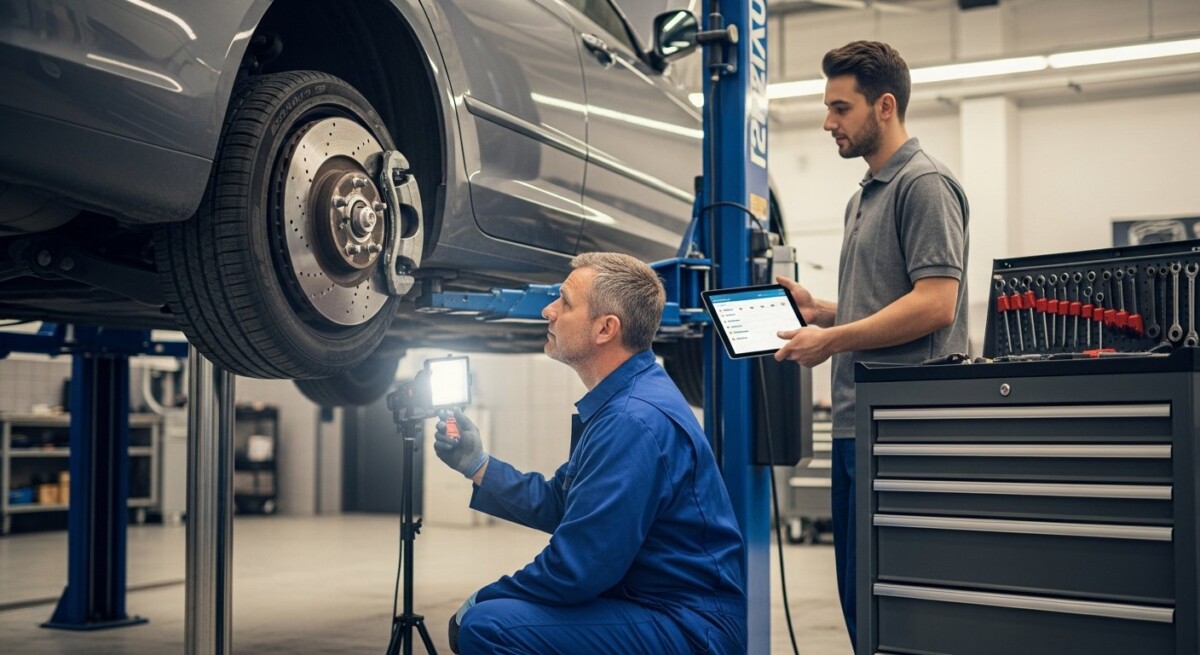
Car maintenance costs can catch you off guard, especially when a critical repair forces you to dip into your savings or worse, skip the fix altogether. While standard auto insurance covers accidents and theft, few policies address the everyday wear and tear that leads to breakdowns. That is why finding the best car insurance for vehicle maintenance is essential for drivers who want to avoid surprise bills and keep their cars running reliably. This article breaks down what to look for in a policy, how maintenance coverage works, and which insurers stand out for protecting your vehicle’s health.
What Maintenance Coverage Actually Means in Auto Insurance
Most drivers assume insurance only pays for collision damage or liability claims. However, some insurers now offer add-ons or endorsements that cover routine maintenance items like oil changes, tire rotations, brake pad replacements, and even major repairs tied to mechanical failure. These are not standalone policies but rather enhancements to a standard auto insurance plan. The key is understanding that the best car insurance for vehicle maintenance includes provisions for both preventive care and unexpected breakdowns, which traditional policies typically exclude.
For example, a policy with a maintenance endorsement might cover a blown gasket or a failed alternator if the failure is not due to a collision. Some insurers partner with repair networks to offer discounted services or direct billing for routine work. This shifts the financial burden from your wallet to the insurer, making it easier to stay on top of scheduled maintenance. If you are comparing plans, look for terms like “mechanical breakdown insurance” or “maintenance waiver” to identify these benefits.
Why Standard Policies Fall Short for Long-Term Car Care
Standard liability and collision coverage only respond to specific events: accidents, theft, vandalism, or natural disasters. They do nothing for the gradual wear that makes a car less reliable over time. A transmission that slips after 100,000 miles or a timing belt that snaps is not covered under a typical policy. This gap leaves many drivers scrambling for funds when their car needs a major repair. In our guide on $20 Down Payment Car Insurance Guide, we explain how low upfront costs can sometimes lead to reduced coverage that excludes maintenance protections.
Drivers who skip oil changes or ignore warning lights often face higher repair bills later. Without maintenance coverage, you bear those costs alone. The best car insurance for vehicle maintenance closes this gap by integrating repair benefits into the policy. It treats your car like an asset worth preserving, not just a machine to be replaced after a crash. This approach saves money in the long run and reduces the stress of unexpected breakdowns.
Key Features to Look for in a Maintenance-Friendly Policy
When shopping for coverage that supports vehicle upkeep, focus on these specific features. Not all insurers offer them, so knowing what to ask can save you hours of research.
- Mechanical breakdown coverage: This add-on pays for repairs to major components like the engine, transmission, and drivetrain after the manufacturer’s warranty expires.
- Preventive maintenance reimbursements: Some policies reimburse a portion of costs for services like oil changes, fluid flushes, and filter replacements.
- Roadside assistance with towing: If a breakdown leaves you stranded, this benefit gets your car to a shop without extra charges.
- Rental car coverage during repairs: When your car is in the shop for maintenance, a rental allowance keeps you mobile.
- Flexible deductible options: Lower deductibles for maintenance claims make it easier to afford frequent visits to the mechanic.
These features collectively create a safety net that goes beyond collision events. For example, if your alternator fails on a highway, mechanical breakdown coverage would pay for the replacement minus your deductible. Without it, you would pay the full repair cost out of pocket. Insurers that bundle these perks often earn higher customer satisfaction ratings because they address real-world driving needs.
How Maintenance Coverage Affects Your Premium
Adding maintenance benefits to your policy usually increases your premium, but the cost is often less than paying for a single major repair. A typical mechanical breakdown endorsement adds 10 to 20 percent to your base premium, depending on your vehicle’s age and mileage. For a driver paying $1,200 annually, that translates to an extra $120 to $240 per year. Compare that to a $2,500 transmission replacement, and the coverage pays for itself after one claim.
Insurers also consider your driving habits and vehicle condition when pricing these add-ons. A newer car with low mileage costs less to insure for maintenance than an older model with high mileage. Some companies offer discounts for vehicles that pass a pre-inspection or for drivers who complete a defensive driving course. To get the best rate, compare quotes from multiple providers and ask about bundling maintenance coverage with other policies like home or life insurance. You can explore more about rate factors in our article on 10 Reasons Why My Car Insurance Is High.
Top Insurers Offering Maintenance-Focused Plans
Several national and regional carriers now offer policies that prioritize vehicle maintenance. Here is a look at some of the most recommended options based on consumer feedback and coverage breadth.
Geico Mechanical Breakdown Insurance
Geico’s Mechanical Breakdown Insurance (MBI) covers all major parts for vehicles with fewer than 15,000 miles. It includes a $250 deductible and covers repairs for up to seven years or 100,000 miles. This is one of the most comprehensive maintenance policies available and is often cited as the best car insurance for vehicle maintenance for newer cars.
Progressive Maintenance Plus
Progressive offers a Maintenance Plus endorsement that covers oil changes, tire rotations, and fluid checks at participating service centers. It also includes a discount on parts and labor for repairs. This add-on works well for drivers who prefer dealership service but want to save money.
Allstate Car Care Advantage
Allstate’s Car Care Advantage program provides a network of certified repair shops that offer discounted maintenance services. While not a direct insurance benefit, it integrates with your policy to lower out-of-pocket costs for routine work. It pairs well with their accident forgiveness and roadside assistance options.
Each of these insurers has unique eligibility requirements and limitations. Before signing up, read the fine print to confirm what is covered and what is excluded. If you are unsure about specific terms, our article on 10 Car Insurance Terminologies Everyone Should Know can help clarify jargon like deductibles, exclusions, and endorsements.
Steps to Add Maintenance Coverage to Your Existing Policy
If you already have an auto insurance policy, you may be able to add maintenance coverage without switching carriers. Follow these steps to upgrade your plan.
- Review your current policy documents to see if maintenance endorsements are listed as optional add-ons.
- Call your insurer or log into your online account to ask about mechanical breakdown coverage or preventive maintenance riders.
- Request a quote for the add-on and compare it to the cost of paying for repairs out of pocket over the next year.
- Check the vehicle eligibility criteria: most insurers require the car to be under a certain age or mileage.
- If your current insurer does not offer maintenance coverage, shop around for a new provider that specializes in this area.
This process takes about 30 minutes and can significantly reduce your future repair costs. Remember that maintenance coverage is not available in every state, so verify availability before making changes. For drivers with older vehicles, a standalone mechanical breakdown policy from a specialist may be a better option than a standard auto insurer.
Common Misconceptions About Insurance and Car Care
Many drivers believe that comprehensive coverage includes maintenance. This is false. Comprehensive insurance covers non-collision damage like hail, fire, or theft, but it does not pay for worn-out parts or routine services. Another myth is that extended warranties are the same as maintenance coverage. Extended warranties are sold by third parties and often have strict claim processes, while insurance add-ons are regulated by state departments and offer more standard protections.
Understanding these differences helps you avoid buying redundant or inadequate coverage. The best car insurance for vehicle maintenance comes from a policy that explicitly includes repair and service benefits, not from assuming your existing plan covers everything. If you are confused about policy types, our guide on 3 Types of Car Insurance You Must Know breaks down the distinctions between liability, collision, comprehensive, and add-on coverages.
Frequently Asked Questions
Does regular car insurance cover oil changes?
No, standard policies do not cover oil changes. You need a specific maintenance add-on or mechanical breakdown endorsement to get reimbursement for routine services like oil changes and filter replacements.
Can I buy maintenance coverage for a used car with high mileage?
Some insurers offer maintenance coverage for high-mileage vehicles, but the premiums are higher and the coverage limits are lower. Geico’s MBI, for example, caps eligibility at 15,000 miles. For older cars, consider a specialty mechanical breakdown policy.
Is maintenance coverage worth it for a new car?
Yes, especially if you plan to keep the car beyond the manufacturer’s warranty. The coverage protects against costly repairs that start appearing after the warranty expires, making it a smart investment for long-term ownership.
How do I file a claim for a maintenance repair?
Contact your insurer, provide the repair estimate from a licensed mechanic, and pay your deductible. The insurer reimburses the shop directly or sends you a check, depending on the policy terms.
Choosing the right coverage requires balancing your budget with your car’s needs. Start by assessing your vehicle’s age, mileage, and repair history. Then compare policies from at least three insurers to find the best car insurance for vehicle maintenance that fits your situation. For personalized assistance and quotes, call us at 833-214-7506 to speak with a licensed agent who can guide you through the options.