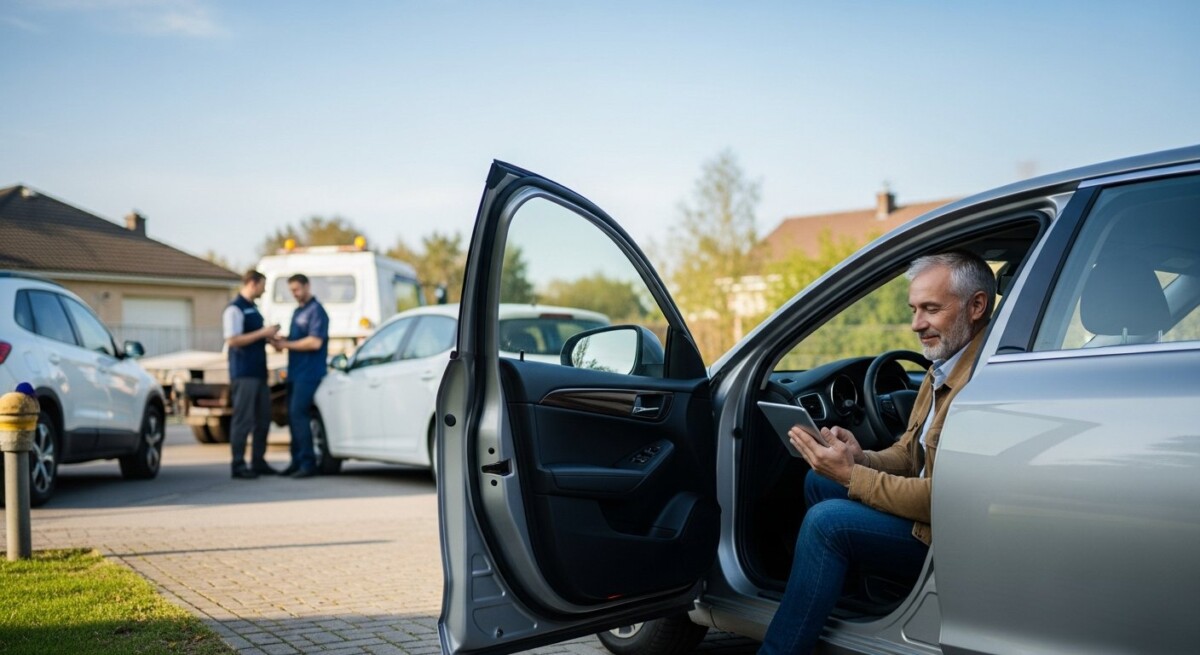
Finding the best auto insurance with full protection options can feel overwhelming when every carrier claims to offer the best deal. You need coverage that protects your vehicle, your finances, and your peace of mind without leaving gaps that could cost you thousands after a crash. Whether you drive a new sedan, a classic car, or a daily commuter, understanding what full protection actually includes is the first step to choosing a policy that fits your life.
Full coverage auto insurance is not a legal term. It is a shorthand for a combination of coverages that go beyond the minimum liability requirements. Most people use it to mean liability, collision, and comprehensive coverage bundled together. But the best policies layer on extras like rental reimbursement, roadside assistance, and uninsured motorist protection. In this guide, we break down the components of a robust policy, how to compare carriers, and what to look for so you never face a surprise denial when you file a claim.
What Does Full Protection Auto Insurance Actually Cover?
Full protection is a package of coverages designed to shield you from financial loss in multiple scenarios. It is not a single product but a combination of policies that work together. The core of any full protection plan includes three essential coverages: liability, collision, and comprehensive. Each serves a distinct purpose and fills a specific gap.
Liability coverage pays for damage you cause to others, including their vehicle repairs and medical bills. It is required in nearly every state. Collision coverage pays for repairs to your own car after an accident, regardless of fault. Comprehensive coverage handles non-collision events such as theft, vandalism, hail, fire, or hitting a deer. Without all three, your policy is not truly full protection. Many drivers mistakenly think they have full coverage when they only meet the state minimum. That gap can be financially devastating after a serious accident.
Additional Coverages That Strengthen Your Policy
The best auto insurance with full protection options goes beyond the basic trio. Insurers offer optional add-ons that transform a standard policy into a safety net. Consider these upgrades when shopping for a policy:
- Uninsured/Underinsured Motorist Coverage: Protects you if a driver without insurance hits you. It covers medical bills and sometimes lost wages.
- Rental Reimbursement: Pays for a rental car while yours is in the shop after a covered claim.
- Roadside Assistance: Covers towing, flat tires, lockouts, and jump-starts.
- Gap Insurance: Covers the difference between what you owe on a loan and the car’s depreciated value if it is totaled.
- Medical Payments or Personal Injury Protection: Pays for medical expenses for you and your passengers regardless of fault.
Each add-on increases your premium but dramatically reduces out-of-pocket risk. For example, gap insurance is critical if you financed a new car and put little money down. Without it, you could owe thousands on a loan for a car you no longer drive. When evaluating the best auto insurance with full protection options, always ask about these extras and weigh their cost against the potential financial hit of not having them.
How to Compare Full Coverage Policies Like a Pro
Comparing auto insurance policies is not as simple as looking at the monthly premium. The cheapest policy often has high deductibles or low coverage limits that leave you exposed. To find the best auto insurance with full protection options, you need to evaluate four key factors: coverage limits, deductibles, exclusions, and the insurer’s claims reputation.
Start by setting your ideal coverage limits. Liability limits are usually written as three numbers, such as 100/300/100. The first number is the maximum payout per person for bodily injury. The second is the maximum per accident for all injuries. The third is the property damage limit. For full protection, aim for at least 100/300/100. This ensures you have enough coverage if you cause a multi-car accident with serious injuries. Next, choose deductibles for collision and comprehensive. A higher deductible lowers your premium but increases your cost after a claim. A good balance is a deductible of $500 or $1,000.
Exclusions matter just as much as what is covered. Read the policy details carefully. Some insurers exclude certain drivers, such as teenagers or drivers with poor records, unless they are specifically listed. Others limit coverage for ridesharing or business use. If you drive for Uber, Lyft, or DoorDash, you need a policy that explicitly covers commercial activity. Our guide on 5 Factors That Directly Affect Your Auto Insurance Rates explains how your driving habits and vehicle use influence premiums and coverage options.
Finally, check the insurer’s financial strength and customer satisfaction ratings. Companies like J.D. Power, AM Best, and the Better Business Bureau provide independent assessments. An insurer with an A+ rating is more likely to pay claims quickly and fairly. Combine this with real customer reviews to get a complete picture. A low premium from a carrier with poor claims handling is a false economy.
Who Benefits Most From Full Protection Auto Insurance?
Full protection is not right for every driver. If you own an older car worth less than $4,000, the cost of collision and comprehensive coverage may exceed the car’s actual cash value. In that case, dropping to liability-only makes financial sense. However, for most drivers, the best auto insurance with full protection options is a smart investment.
Drivers who benefit most include:
- New car owners: Lenders require full coverage on financed vehicles. Without it, the lender can force-place expensive insurance on your behalf.
- High-income earners: If you have significant assets, liability limits of 100/300/100 or higher protect you from lawsuits. Umbrella policies can add extra layers of protection.
- Drivers in high-risk areas: Urban areas with high rates of theft, vandalism, or uninsured drivers make comprehensive coverage essential.
- Families with teen drivers: Teenagers are more likely to cause accidents. Full coverage protects the family car and provides liability protection if the teen causes a crash.
If you fall into one of these categories, skimping on coverage can backfire. A single accident could wipe out years of savings. Think of full protection as a risk management tool, not just an expense. It gives you the confidence to drive without worrying about financial ruin from a single mistake or bad luck.
How to Save Money on Full Coverage Without Sacrificing Protection
Full coverage does not have to break the bank. Many insurers offer discounts that lower your premium while keeping protection levels high. The trick is to know which discounts apply to your situation and how to combine them. Start by bundling your auto insurance with homeowners or renters insurance. Most carriers offer a multi-policy discount of 10 to 25 percent. This alone can make full coverage affordable.
Another effective strategy is to improve your credit score. In most states, insurers use credit-based insurance scores to set rates. A higher score can lower your premium by hundreds of dollars per year. Pay down credit card balances, avoid late payments, and check your credit report for errors. For drivers with poor credit, our guide on 5 Best Auto Insurance for Bad Credit Drivers in 2026 offers strategies for finding affordable full coverage despite a low score.
You can also adjust your deductibles. Raising your collision and comprehensive deductibles from $500 to $1,000 typically reduces your premium by 10 to 20 percent. Just make sure you have that amount set aside in an emergency fund. Finally, ask about usage-based insurance programs. Many insurers offer apps that track your driving habits. Safe drivers can earn discounts of up to 30 percent. This is especially helpful for low-mileage drivers or those with clean records.
Remember, the cheapest policy is not always the best auto insurance with full protection options. Always compare quotes from at least three carriers. Look at the total cost of coverage, not just the monthly payment. A policy that costs $10 more per month but includes roadside assistance and rental reimbursement may save you hundreds if you ever need those services.
Common Mistakes When Buying Full Protection Insurance
Even experienced drivers make errors when shopping for full coverage. The most common mistake is assuming state minimum liability limits are enough. Minimum limits are often as low as 25/50/25 in many states. If you cause a serious accident, medical bills can easily exceed those limits. You could be personally sued for the difference, putting your home and savings at risk. Full protection means choosing limits that match your assets, not just the legal floor.
Another mistake is ignoring uninsured motorist coverage. One in eight drivers in the U.S. is uninsured. If one of them hits you, your collision coverage will fix your car, but your medical bills may not be covered. Uninsured motorist coverage fills that gap. It is inexpensive and provides critical protection. Many consumers also forget to review their policy annually. Life changes like moving, getting married, or adding a teen driver can change your coverage needs. Review your policy each renewal to ensure you still have the best auto insurance with full protection options for your current situation.
Finally, do not overlook the importance of rental reimbursement. After a total loss, your car may be in the shop for weeks. Without rental coverage, you are stuck paying for a rental car out of pocket. For a few dollars a month, this add-on can save you significant stress and money. Always ask your agent or broker to explain every coverage option before you sign. If they rush through the details, find a different provider who takes the time to educate you.
Frequently Asked Questions
What is the difference between full coverage and liability insurance?
Liability insurance only covers damage you cause to others. Full coverage adds collision and comprehensive, which cover damage to your own vehicle. Full coverage also typically includes uninsured motorist protection and other add-ons for complete protection.
Is full coverage auto insurance required by law?
No state requires full coverage. However, lenders require it if you have a car loan or lease. Even when not required, full coverage is recommended for anyone who cannot afford to replace their vehicle or pay for major medical bills out of pocket.
How much does full coverage insurance cost per month?
The average cost of full coverage auto insurance in the U.S. is around $150 to $200 per month, but rates vary widely based on age, location, driving record, and vehicle type. Shopping around and bundling policies can significantly lower your rate.
Can I get full coverage with a bad driving record?
Yes, but you will pay higher premiums. Many insurers specialize in high-risk drivers. You can still find affordable rates by comparing quotes and taking advantage of defensive driving course discounts. Our guide on 1st Auto Insurance: Lower Your Monthly Payments Now provides tips for reducing costs even with a less-than-perfect record.
What should I do if my claim is denied?
First, review your policy to understand the reason for denial. Common reasons include lapsed coverage, excluded drivers, or failure to report the accident promptly. If you believe the denial is wrong, file an appeal with the insurer. If that fails, contact your state insurance department for assistance. For more tips on handling claims, read our article on 10 Expert Tips for Getting the Best Deal on Auto Insurance.
Choosing the best auto insurance with full protection options is an investment in your financial security. Start by understanding the core coverages, add the extras that match your lifestyle, and compare quotes from multiple carriers. With the right policy, you can drive with confidence knowing that you are protected from the unexpected. Review your coverage annually and adjust as your life changes. A little effort now can save you thousands of dollars and countless headaches later.