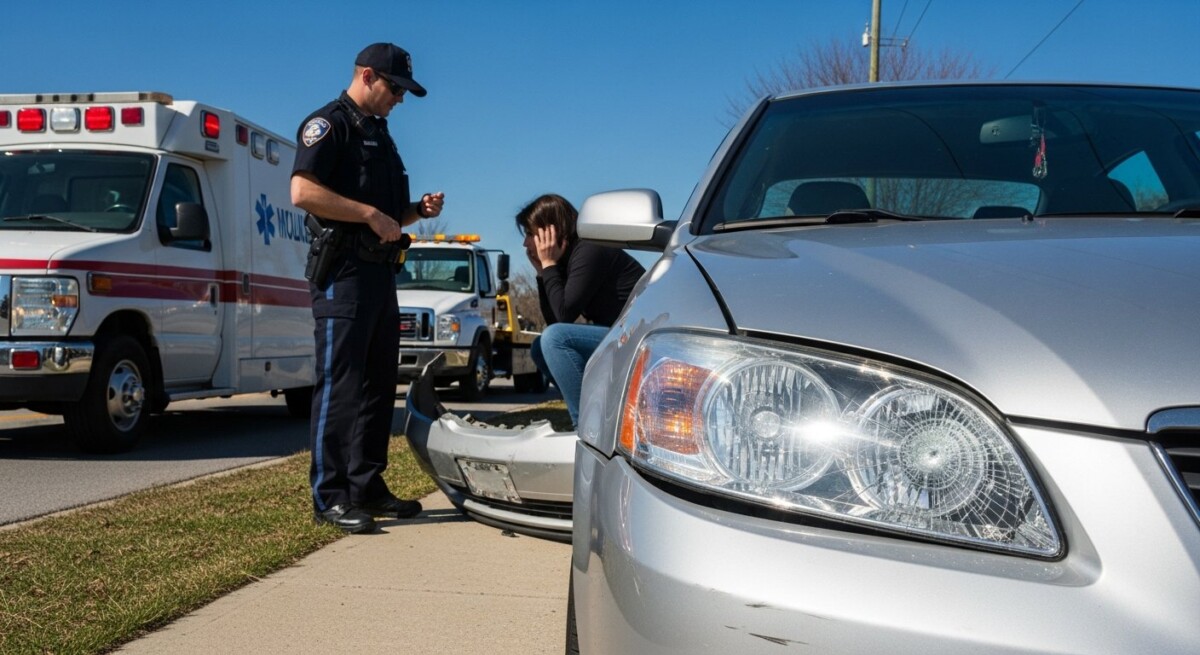
When you are involved in a car accident, the financial consequences can extend far beyond your own vehicle repairs. If you are found at fault, you may be responsible for the other party’s medical bills, lost wages, and property damage. This is where coverage for auto insurance liability claims becomes your most critical financial safeguard. Without adequate protection, a single at-fault accident could wipe out your savings or put your future earnings at risk. Understanding how liability coverage works, what it pays for, and where the gaps lie is essential for every driver who wants to avoid devastating out-of-pocket costs.
Liability insurance is not optional in nearly every state. It is a legal requirement designed to ensure that at-fault drivers can compensate victims for their losses. Yet many drivers carry only the minimum limits required by law, unaware that those limits may be dangerously low in a serious crash. In this article, we break down the mechanics of liability claims, the types of coverage involved, the settlement process, and the strategies you can use to protect yourself financially. Whether you are shopping for a new policy or reviewing your existing coverage, this guide will help you make informed decisions about your liability protection.
What Does Auto Liability Insurance Actually Cover?
Auto liability insurance is split into two main components: bodily injury liability and property damage liability. Each covers a different set of losses that you may cause to others in an at-fault accident. Bodily injury liability pays for medical expenses, rehabilitation, lost income, and pain and suffering for injured parties. Property damage liability covers the cost of repairing or replacing the other person’s vehicle, as well as damage to structures like fences, guardrails, or buildings.
It is important to understand that liability coverage does not pay for your own injuries or your own vehicle repairs. That is where other types of coverage, such as collision and medical payments coverage, come into play. Liability protection is solely for the harm you cause to others. This distinction is critical because many drivers mistakenly believe their liability policy will cover their own losses. When they file a claim, they discover the hard truth that they are on their own for their own damages.
For a deeper explanation of how liability limits and coverage options work together, see our detailed guide on Auto Insurance Liability Coverage: Essential Protection on the Road. That resource walks through coverage minimums, recommended limits, and how to choose the right amount of protection for your situation.
How Liability Claims Are Paid Out
When you file a liability claim against someone else’s insurance, or when someone files a claim against your policy, the process follows a predictable sequence. First, the at-fault driver’s insurer investigates the accident to determine fault and verify coverage. Once liability is accepted, the adjuster evaluates the damages. For bodily injury claims, this involves reviewing medical records, bills, and documentation of lost wages. For property damage, the adjuster obtains repair estimates or determines the actual cash value of a totaled vehicle.
The insurer then makes a settlement offer. If the injured party accepts, the claim is closed with a release of liability. If they reject the offer, negotiations may continue, or the case may proceed to litigation. Throughout this process, the insurance company is obligated to act in good faith, but their primary goal is to minimize the payout. This is why having adequate policy limits and understanding your rights is so important. A low settlement offer can leave you with unpaid medical bills or repair costs that far exceed what the insurer is willing to pay.
Split Limits vs. Combined Single Limits
Liability policies are typically written with split limits, such as 25/50/25. This means $25,000 per person for bodily injury, $50,000 per accident total for bodily injury, and $25,000 for property damage. If you cause an accident that injures two people, each person can claim up to $25,000, but the total payout for all injuries cannot exceed $50,000. Once that limit is exhausted, you are personally responsible for any remaining medical costs.
Combined single limits, on the other hand, offer a single dollar amount that can be applied across both bodily injury and property damage claims. For example, a $100,000 combined single limit policy gives the insurer flexibility to allocate funds as needed. This can be beneficial in accidents where property damage is high but injuries are minimal, or vice versa. However, combined single limits are less common and may cost slightly more. Understanding which structure your policy uses is key to predicting how much protection you truly have.
Why Minimum Coverage Is Often Not Enough
Every state sets its own minimum liability requirements, and those minimums are often startlingly low. In many states, the required minimum is $25,000 per person and $50,000 per accident for bodily injury, with $10,000 or $25,000 for property damage. Consider the cost of a single ambulance ride, an emergency room visit, and follow-up surgery for a moderate injury. Those expenses can easily exceed $25,000. If you cause an accident that results in a serious injury, the victim’s medical bills may quickly surpass your policy limits, leaving you personally liable for the difference.
Property damage minimums are equally problematic. The average cost of a new vehicle in 2025 is over $48,000. Even a moderately priced used car can cost $15,000 to $25,000 to replace. If you cause a multi-car pileup or hit a building, your property damage limit may be exhausted before the first vehicle is fully repaired. The shortfall becomes your personal debt, and the injured parties can sue you to recover it. Wage garnishment, bank account levies, and liens against your assets are all possible outcomes of a judgment against you.
For these reasons, many financial experts recommend carrying at least $100,000 per person and $300,000 per accident for bodily injury liability, along with $100,000 for property damage. This is often referred to as 100/300/100 coverage. While it costs more than state minimum coverage, the premium difference is usually modest compared to the financial devastation a serious accident can cause. In our article on Auto City Insurance: Is It Right for You?, we discuss how different insurers compare on pricing and coverage options to help you find the best balance of cost and protection.
The Role of an Umbrella Policy
Even with 100/300/100 limits, there is still a risk that a catastrophic accident could exceed your coverage. This is where an umbrella insurance policy becomes valuable. Umbrella policies provide an additional layer of liability protection that kicks in after your auto or homeowners liability limits are exhausted. They typically start at $1 million in coverage and are relatively inexpensive for the amount of protection they provide.
Umbrella policies are especially important for drivers with significant assets, such as a home, investments, or a high income. In a lawsuit, the plaintiff’s attorney will look beyond your insurance limits to your personal assets. An umbrella policy adds a substantial buffer that can protect your wealth from being seized in a judgment. Even if you do not have substantial assets, an umbrella policy can protect your future earnings from garnishment. For a few hundred dollars per year, the peace of mind is significant.
Filing a Liability Claim Against Another Driver
If you are hit by a negligent driver, you will file a third-party liability claim with their insurance company. This process can be frustrating because the other insurer’s interests are aligned with their policyholder, not with you. They want to minimize the payout to protect their bottom line and keep their customer’s premiums from rising. As a result, you may encounter lowball offers, delays, and requests for unnecessary documentation.
To navigate this process successfully, you need to document everything. Take photos of the accident scene, your injuries, and vehicle damage. Obtain a copy of the police report. Keep a journal of your symptoms, medical appointments, and how the injuries affect your daily life. Do not accept the first settlement offer without consulting a professional. Many claims adjusters start with an offer that is far below the true value of your claim, hoping you will accept it out of desperation or lack of knowledge.
If negotiations stall or the insurer refuses to offer a fair settlement, you may need to involve an attorney. Most personal injury lawyers work on a contingency fee basis, meaning they only get paid if you win. They can handle the negotiations, file a lawsuit if necessary, and ensure that you receive compensation that covers your full range of damages, including future medical costs and pain and suffering. For more insight into the claims process and how to maximize your recovery, our guide on Auto Gap Insurance: What It Is and Who Really Needs It touches on related financial protections that can fill coverage gaps after a total loss.
Common Mistakes That Undermine Liability Protection
Even drivers with good intentions can make errors that leave them exposed. One of the most common mistakes is assuming that the other driver’s insurance will cover everything. If the at-fault driver has minimal coverage, your own underinsured motorist coverage becomes critical. Without it, you could be left with unpaid bills. Another frequent error is failing to update your policy after major life changes, such as buying a home, getting married, or adding a teenage driver to your household. These events can change your risk profile and the amount of coverage you need.
Additionally, many drivers do not realize that liability coverage does not cover intentional acts, criminal activity, or damage caused while driving for a rideshare service like Uber or Lyft without proper endorsement. If you use your personal vehicle for business deliveries or ride-hailing, standard personal auto insurance will not cover liability claims that arise during those activities. You need a commercial policy or a rideshare endorsement to fill that gap.
Here are some key steps to avoid these pitfalls:
- Review your liability limits annually and compare them to your net worth and income. If your assets have grown, increase your limits accordingly.
- Purchase uninsured and underinsured motorist coverage to protect yourself from drivers who lack adequate insurance.
- Ask your insurer about umbrella coverage and whether bundling it with your auto and home policies qualifies you for a discount.
- If you drive for work or use your car for rideshare, disclose that usage to your insurer and obtain the proper endorsement or policy.
Taking these steps ensures that your liability protection is not undermined by gaps or oversights. A few minutes of review each year can save you from years of financial hardship.
Frequently Asked Questions
What is the difference between liability and full coverage?
Liability coverage only pays for damages you cause to others. Full coverage is not a legal term but generally refers to a policy that includes liability, collision, and comprehensive coverage. Collision pays for damage to your own vehicle from an accident, while comprehensive covers non-collision events like theft, vandalism, or weather damage.
Do I need liability insurance if I have no assets?
Yes. Liability insurance is required by law in nearly every state. Even without assets, a lawsuit could result in wage garnishment or a lien on future earnings. Additionally, driving without insurance can lead to fines, license suspension, and higher premiums when you eventually obtain coverage.
Can I be sued for more than my insurance limits?
Absolutely. If the damages from an accident exceed your policy limits, the injured party can sue you personally for the difference. This is why carrying adequate limits and an umbrella policy is so important for protecting your financial future.
How long does a liability claim take to settle?
The timeline varies widely. Simple claims with clear fault and minor injuries may settle in a few weeks. Complex claims involving serious injuries, disputed liability, or multiple parties can take months or even years, especially if litigation is involved.
Final Thoughts on Protecting Your Financial Future
Coverage for auto insurance liability claims is not just a legal requirement. It is a foundational layer of financial protection that every driver needs. The limits you choose directly affect your exposure to lawsuits, wage garnishment, and asset seizure. By understanding how liability coverage works, assessing your personal risk, and purchasing limits that reflect your actual exposure, you can drive with confidence knowing that a single mistake will not derail your financial life. Review your policy today, compare quotes from multiple insurers, and consider increasing your limits or adding an umbrella policy. The small extra cost is well worth the peace of mind.