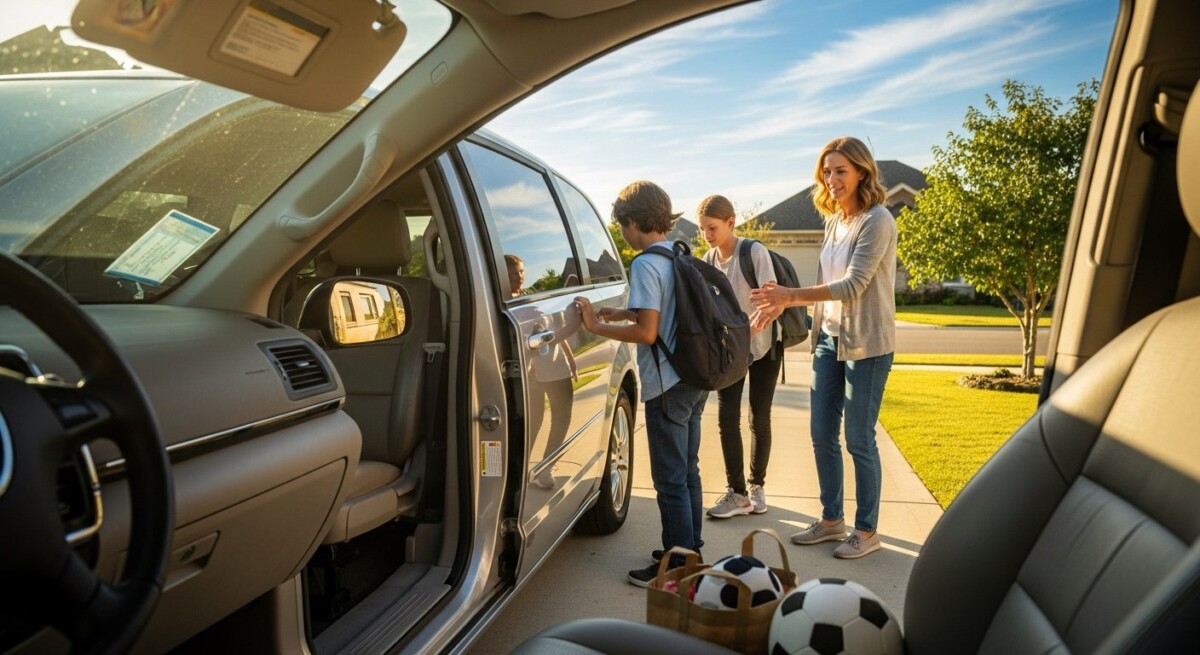
When you are a stay at home parent, your daily routine looks very different from a commuting worker. You might drive kids to school, run errands, or attend midday appointments. Yet many stay at home parents overlook a critical financial safeguard: having the right auto insurance. Without proper coverage, a minor fender bender could derail your household budget. This guide explains why auto insurance for stay at home parents matters and how you can secure the best protection at an affordable price.
Why Stay at Home Parents Need Their Own Policy
Some families assume that only the working spouse needs car insurance. In reality, every driver in a household should be listed on a policy. If you are a stay at home parent and you drive even occasionally, you need coverage. Driving without insurance (or being listed as an excluded driver) can lead to serious legal and financial consequences. For example, if you cause an accident while uninsured, you could be personally liable for medical bills and vehicle repairs. That risk is too high for any family to ignore.
Additionally, being listed on a policy as a named driver ensures that claims are processed smoothly. Insurance companies use your driving history, location, and annual mileage to calculate premiums. If you are not listed, the insurer might deny a claim or charge a higher rate after an accident. In our guide on 5 Factors That Directly Affect Your Auto Insurance Rates, we explain how personal factors like driving frequency and credit history influence your premium. Stay at home parents often have low annual mileage, which can actually lower their rates compared to commuters.
Coverage Options That Matter Most for Stay at Home Parents
Choosing the right coverage levels is essential. While minimum liability coverage satisfies state laws, it may not be enough to protect your family’s assets. Stay at home parents should consider these key coverage types:
- Liability Insurance: Covers injuries and property damage you cause to others. Experts recommend at least $100,000 per person and $300,000 per accident for bodily injury.
- Uninsured/Underinsured Motorist Coverage: Protects you if you are hit by a driver with little or no insurance. This is especially important because many drivers carry only minimum limits.
- Comprehensive and Collision Coverage: Pays for damage to your vehicle from accidents, theft, vandalism, or weather events. If you drive a newer or financed car, this coverage is usually required by the lender.
- Medical Payments (MedPay) or Personal Injury Protection (PIP): Covers medical expenses for you and your passengers after an accident, regardless of fault. This can be a lifesaver if your health insurance has a high deductible.
Each of these coverages serves a specific purpose. For instance, comprehensive coverage might pay for a cracked windshield from a flying rock during a school pickup. Without it, you would pay out of pocket. Evaluating your family’s assets and risks helps you decide which coverage levels are worth the extra premium.
How Low Mileage Can Lower Your Premium
One of the biggest advantages for stay at home parents is low annual mileage. Insurance companies often offer discounts for drivers who log fewer than 7,500 or 10,000 miles per year. If you only drive for local errands and school drop-offs, you likely qualify for a low-mileage discount. Some insurers even offer pay-per-mile policies that charge a base rate plus a small per-mile fee. These options can reduce your premium significantly. However, be sure to estimate your mileage accurately. Underestimating could lead to a denied claim if you exceed the limit.
Discounts and Savings Strategies
Finding affordable auto insurance for stay at home parents involves more than just choosing the right coverage. You should actively seek discounts that apply to your situation. Many insurers offer savings that are easy to overlook:
- Multi-Policy Discount: Bundling your auto insurance with homeowners or renters insurance can save 10% to 25% on both policies.
- Good Driver Discount: Maintaining a clean driving record for three to five years often qualifies you for a reduced rate.
- Safe Vehicle Discount: Cars with advanced safety features (like automatic braking, lane departure warnings, and airbags) may earn a discount.
- Defensive Driving Course: Completing an approved driver safety course can lower your premium, even if you are not a new driver.
- Paperless Billing and Automatic Payments: Signing up for e-statements and auto-pay can shave a few dollars off each payment.
To maximize savings, compare quotes from at least three different insurance companies. Each company uses its own formula to calculate rates, so prices can vary widely. In our article 10 Expert Tips for Getting the Best Deal on Auto Insurance, we outline strategies for negotiating lower premiums and timing your policy purchase for maximum savings. Taking 15 minutes to shop around could save you hundreds of dollars per year.
Special Considerations for Families With Teen Drivers
If you are a stay at home parent and your teenage child is learning to drive, your insurance needs become more complex. Adding a teen driver to your policy can increase your premium by 50% to 100% or more. However, you can mitigate this cost by encouraging your teen to maintain good grades (a good student discount) and complete a driver education program. Some insurers also offer a safe driving app that monitors the teen’s behavior and provides feedback. As the primary driver of the family vehicle, you will likely be the named insured on the policy. Make sure the teen is listed as a driver on your policy rather than excluded, because driving without being listed could void coverage in an accident.
When to Update Your Policy After a Life Change
Becoming a stay at home parent is a major life event that should trigger a policy review. Other events that warrant an update include moving to a new home, adding a vehicle, or your spouse changing jobs. If you previously commuted 30 miles each way and now drive only locally, your risk profile has changed. You may be paying for a commute risk that no longer exists. Contact your insurance agent or use an online comparison tool to see if you qualify for a lower rate. Additionally, if your spouse adds a new car for family use, ensure the policy covers all vehicles adequately. Our resource on 1st Auto Insurance: Lower Your Monthly Payments Now provides practical steps for reducing premiums after life changes.
Frequently Asked Questions
Do stay at home parents need their own auto insurance policy?
You do not necessarily need a separate policy, but you must be listed as a named driver on your household’s policy. If you are not listed, the insurer may deny claims or charge higher rates after an accident. Most families keep one policy that covers both spouses and any other household drivers.
Can I get a discount for being a stay at home parent?
Insurance companies do not offer a specific “stay at home parent” discount. However, you may qualify for low-mileage discounts, multi-policy discounts, and good driver discounts. Some insurers also offer usage-based insurance that rewards safe, low-mileage driving.
What happens if I drive my spouse’s car and I am not on the insurance?
In most cases, insurance follows the vehicle. If you drive your spouse’s car with permission, the policy typically covers you for liability. However, if you are a regular driver of the vehicle and are not listed, the insurer might deny a claim or charge an additional premium after an accident. It is safest to be listed as a driver.
Does my credit score affect my auto insurance rates as a stay at home parent?
In most states, insurers use credit-based insurance scores to calculate premiums. A higher credit score can lead to lower rates. As a stay at home parent, you can improve your score by paying bills on time, reducing debt, and checking your credit report for errors. This is one area where your personal financial habits directly impact your insurance costs.
Should I drop collision coverage on an older car?
If your car is worth less than 10 times the annual collision premium, dropping collision coverage may make sense. For example, if your car is worth $3,000 and collision costs $400 per year, you might choose to self-insure. However, consider your ability to replace the vehicle out of pocket if it is totaled. If you rely on the car for school drop-offs and errands, keeping collision coverage could provide peace of mind.
Understanding the nuances of auto insurance for stay at home parents can help you avoid costly mistakes. Many families overpay for coverage they do not need or carry too little protection. By reviewing your policy annually and comparing quotes, you can ensure that your family is both protected and budget-friendly. For a deeper look at how policy components work together, see our explanation of 5 Parts of an Auto Insurance Policy Explained.
Staying informed is the best way to save money and protect your family. Whether you are a new stay at home parent or have been one for years, take the time to review your auto insurance today. The right policy gives you confidence every time you buckle up your children and head out the door. Compare quotes, ask about discounts, and never assume that your spouse’s policy automatically covers you. A few minutes of research can lead to significant savings and stronger protection for your household.