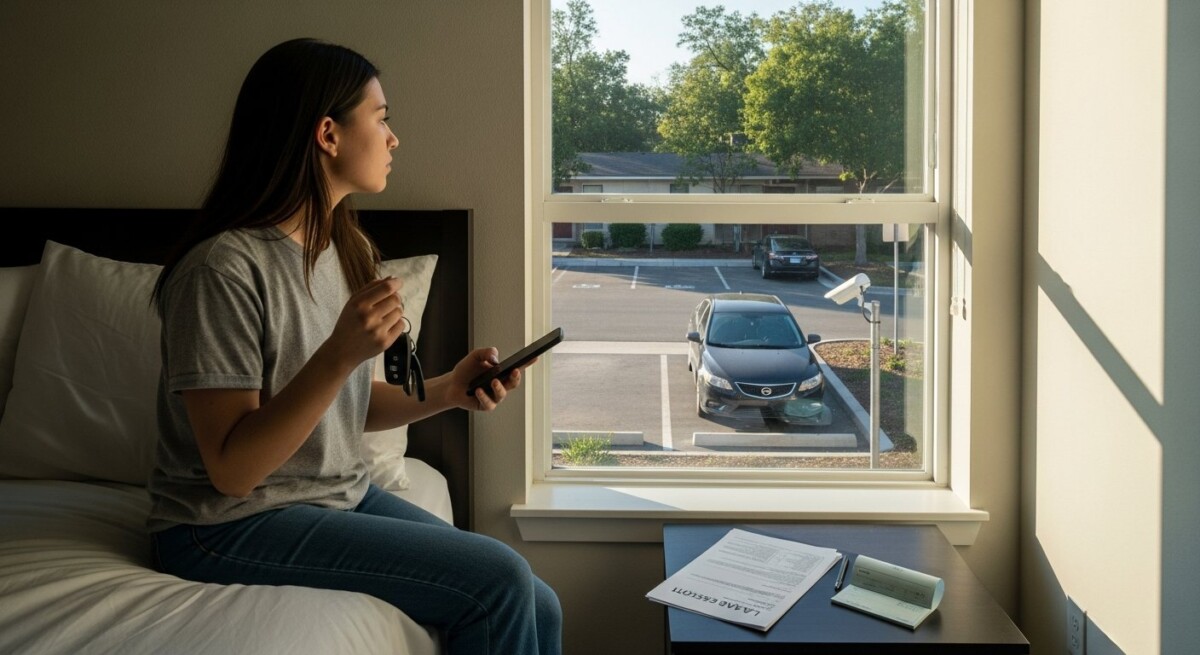
When you rent a home or own one, your auto insurance might be the last thing on your mind. But the connection between your car coverage and your housing situation is stronger than you think. Many drivers overpay for auto insurance because they ignore how their renter or homeowner status affects their rates and coverage needs. Understanding this link can save you hundreds of dollars a year and close dangerous coverage gaps. This article breaks down how auto insurance for renters and homeowners works, where the pitfalls hide, and how to build a policy that fits your life without breaking your budget.
Why Your Housing Status Changes Your Auto Insurance
Insurance companies do not price auto policies solely on your driving record. They also look at your credit history, your claims history, and your ZIP code. Your housing status, renter or owner, influences two of those factors. Homeowners often have higher credit scores and more stable financial histories, which insurers use to predict risk. Renters, especially younger ones, may have thinner credit files or more frequent moves, which can raise premiums.
Additionally, your parking situation matters. A renter in an apartment complex with a shared lot faces different risks than a homeowner with a private garage. Insurers consider where you park your car overnight, how secure that location is, and how likely theft or vandalism is in that area. Renters in urban settings often pay more for comprehensive coverage because of these risks. Homeowners in suburban or rural areas may see lower rates simply because of their address.
The good news is that both renters and homeowners can take steps to lower their auto insurance costs. The first step is understanding what you already have and what you might be missing.
Bundling Auto and Renters or Homeowners Policies
One of the most effective ways to save on auto insurance is to bundle it with your renters or homeowners policy. Insurance companies reward loyalty and convenience. When you purchase two or more policies from the same carrier, they typically offer a multi-policy discount. This discount often ranges from 5% to 25%, depending on the insurer and your state.
For renters, the savings are especially valuable. Renters insurance is already inexpensive, often costing $15 to $30 per month. Adding it to your auto policy can trigger the same discount as a homeowners bundle, but at a fraction of the cost. For homeowners, bundling can reduce both your home and auto premiums, sometimes by hundreds of dollars annually. The key is to compare the bundled rate against buying separate policies from different insurers. Sometimes the discount is not enough to beat a lower standalone rate elsewhere.
In our guide on auto insurance bundling for renters and homeowners, we explain how to calculate whether bundling makes sense for your specific situation. You should always request quotes for both scenarios, bundled and unbundled, before making a decision.
What Counts as a Bundle?
A true bundle means you hold both your auto policy and your renters or homeowners policy with the same insurance company. It is not enough to have two separate policies with the same agent if they are underwritten by different carriers. Ask your insurer directly whether you qualify for a multi-policy discount. If you do not, consider switching to a company that offers this benefit.
Some insurers also offer a “household” discount. This applies when you and a partner or family member have separate policies with the same company, even if they are not bundled. This is less common, but worth asking about.
Coverage Gaps That Renters and Homeowners Overlook
Your auto insurance covers your car, but it does not cover your personal belongings inside the car. That is where renters or homeowners insurance steps in. If your laptop, sports equipment, or tools are stolen from your vehicle, your home or renters policy may cover the loss, subject to your deductible. Without that policy, you are left paying out of pocket.
Another gap is liability coverage for damage you cause to a rental property. If you accidentally start a fire in your apartment kitchen, your renters insurance liability portion can cover the damage. Your auto insurance will not help here. Similarly, if a guest is injured in your home, your homeowners or renters liability coverage protects you. Your auto policy has nothing to do with injuries that happen on your property.
Many drivers also overlook uninsured and underinsured motorist coverage. This protects you if you are hit by a driver with no insurance or too little insurance to cover your medical bills. Renters and homeowners who have assets, like savings or a home, should consider higher limits on this coverage. Without it, an accident with an uninsured driver could wipe out your savings.
How to Align Your Policies
To avoid gaps, review your auto, renters, and homeowners policies side by side. Look at the liability limits on each. Your auto liability typically starts at $25,000 per person and $50,000 per accident, but many experts recommend at least $100,000 per person and $300,000 per accident. If you own a home, consider an umbrella policy that extends liability coverage across all your policies. Umbrella policies are affordable, often $150 to $300 per year for $1 million in coverage.
For renters, the most important add-on is loss of use coverage. This pays for temporary housing if your rental becomes uninhabitable due to a covered loss. Your auto insurance will not cover this, but your renters policy can.
How Credit and History Affect Your Rates
Both renters and homeowners face credit-based insurance scoring. Insurers use your credit history to predict the likelihood of filing a claim. Statistically, drivers with lower credit scores file more claims, so they pay higher premiums. Homeowners tend to have higher credit scores on average, which lowers their auto rates. Renters, especially those who are young or just starting out, may see higher premiums until they build a solid credit history.
If you are a renter with thin credit, you can improve your auto insurance score by paying bills on time, keeping credit card balances low, and avoiding new credit inquiries before buying a policy. If you are a homeowner, check your credit report for errors that could be dragging down your score. A single mistake can cost you hundreds of dollars in extra premiums over a year.
Your claims history is equally important. Homeowners who file a claim on their home policy, even a small one, may see their auto rates rise when they renew with the same insurer. That is because the company now views you as a higher risk. Renters who file a renters insurance claim can face the same issue. Consider paying for small losses out of pocket to keep your claims history clean.
Discounts That Matter Most for Renters and Homeowners
Insurance discounts can dramatically lower your premium, but you have to ask for them. Here are the discounts that matter most for people who rent or own a home:
- Multi-policy discount: Bundle auto with renters or homeowners insurance.
- Homeowner discount: Even if you do not insure your home with the same company, some insurers offer a discount for being a homeowner because it signals financial stability.
- Safety device discount: Smoke detectors, burglar alarms, and deadbolts on your rental or owned home can reduce both home and auto premiums if you bundle.
- Pay-in-full discount: Paying your annual premium in one lump sum instead of monthly payments saves money.
- Loyalty discount: Staying with the same insurer for multiple years often earns a discount, but you should still shop around every year.
These discounts are not automatic. You must tell your insurer about your security systems, your payment preferences, and your bundling interest. If you are a renter, ask if your landlord has installed fire suppression systems or gated parking, as these may also qualify for a discount.
After applying all available discounts, compare your current premium to quotes from at least three other insurers. Rates change frequently, and a company that was expensive two years ago might now be the cheapest option for you.
When to Revisit Your Policy
Life changes should trigger a policy review. Moving from a rental to a home you own is a major event. Your auto insurer may need to update your garaging address, which can change your premium. If you move from a high-crime urban area to a safer suburb, your rate may drop. If you move in the opposite direction, your rate may rise.
Getting married is another trigger. Married couples often pay less for auto insurance than singles. Adding a spouse to your policy, or combining two separate policies, can unlock discounts. The same applies to moving in with a partner. If you both drive, consider whether one policy covers both of you more affordably than two separate ones.
Retiring or reducing your annual mileage can also lower your premium. Many insurers offer low-mileage discounts. If you work from home now, your commute is zero, and your rate should reflect that. For homeowners, adding a security system or a smart home device can earn a discount, but only if you tell your insurer.
How to Compare Quotes Effectively
Comparing auto insurance quotes is not as simple as looking at the premium. You need to compare coverage levels, deductibles, and exclusions. A cheap policy with bare minimum liability limits might cost you thousands if you cause a serious accident. A slightly more expensive policy with higher limits and lower deductibles could save you from financial ruin.
When you request quotes, provide the same information to every insurer. Use the same coverage limits, deductibles, and vehicle details. This ensures you are comparing apples to apples. If you are a renter, include the cost of renters insurance in your comparison. Sometimes a bundle with one insurer is cheaper than the cheapest standalone auto policy from another.
For a deeper dive into this topic, see our auto insurance for renters and homeowners: a bundling guide. That resource walks you through the exact steps to compare bundled quotes and avoid common mistakes.
Frequently Asked Questions
Can I get auto insurance without renters or homeowners insurance?
Yes, auto insurance is legally required in almost every state, while renters and homeowners insurance are optional. However, skipping renters or homeowners coverage can leave your personal belongings and liability exposure unprotected. Bundling them can also lower your auto premium, so it is often worth the cost.
Does being a homeowner lower your auto insurance?
Not automatically. Some insurers offer a homeowner discount because homeowners statistically file fewer claims. But this discount is not universal. You need to ask your insurer if you qualify. Even if you do not insure your home with them, you may still get a small discount for being a homeowner.
What is the best way to bundle auto and renters insurance?
The best way is to get quotes from at least three insurers for both policies together. Compare the bundled price against separate policies from different companies. Also, check the coverage limits and deductibles in each quote. A bundle is only a good deal if it provides adequate coverage at a lower total cost.
Can my auto insurance cover theft from my car?
Comprehensive auto insurance covers theft of the vehicle itself, but not personal items stolen from inside. Those items are covered by your renters or homeowners insurance, usually up to your policy’s personal property limit. If you keep expensive equipment in your car, consider adding a rider to your home or renters policy.
How often should I shop for auto insurance?
At least once a year. Your rates can change when your policy renews, and new discounts or competitors may offer better deals. Also, shop after major life events like moving, getting married, or buying a home. For a complete overview, check our auto insurance for renters and homeowners: bundling guide for renewal strategies.
Make Your Coverage Work for You
Auto insurance for renters and homeowners is not a one-size-fits-all product. Your housing type, your financial situation, and your risk tolerance should shape your coverage choices. Bundling auto with renters or homeowners insurance is often the smartest move, but only after you compare rates and coverage. Review your policies at least once a year, ask about every discount, and adjust your coverage after major life events. By taking these steps, you can protect your car, your home, and your finances without overpaying. If you want personalized advice, call us at 833-214-7506. Our team can help you compare options and find the best auto insurance for renters and homeowners in your area.