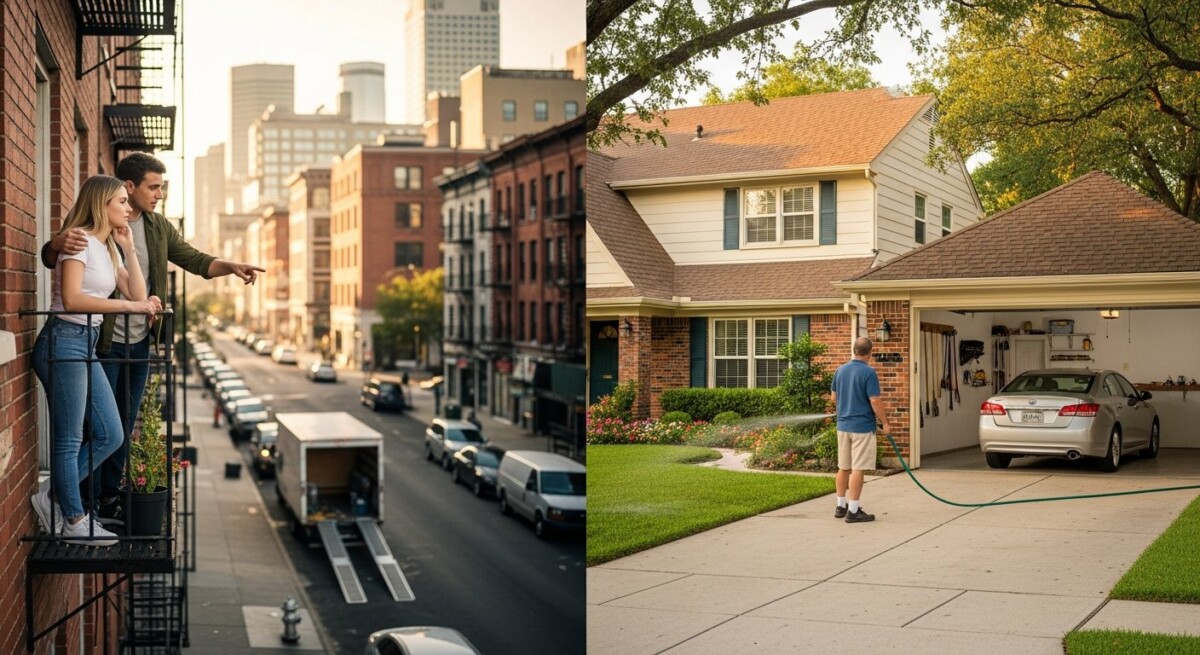
When you rent an apartment or own a house, your auto insurance needs often shift in ways that surprise many drivers. Your living situation directly influences the coverage you carry, the discounts you qualify for, and the way your policies interact. Understanding these connections can save you hundreds of dollars a year and prevent costly gaps in protection. This article explains how auto insurance for renters and homeowners differs, what each group should prioritize, and how to bundle coverage for maximum savings.
How Your Housing Status Changes Your Auto Insurance Profile
Insurance companies evaluate risk based on where you live, how you store your vehicle, and the stability of your residence. Homeowners generally present a lower risk profile to insurers because they tend to stay in one place longer, have more assets to protect, and often park in a garage or driveway. Renters, by contrast, may move frequently, park on the street or in shared lots, and have fewer assets tied to property. These differences affect premiums, coverage recommendations, and the types of discounts available.
For example, a homeowner with a detached garage in a low-crime suburb will typically pay less for comprehensive and collision coverage than a renter who parks on a busy city street. However, renters may have lower liability limits because they have fewer assets to protect. This is a mistake: renters still need adequate liability coverage to shield future income and savings. In our guide on auto insurance for renters and homeowners: key differences, we break down how each group can tailor their policy.
Coverage Priorities for Homeowners vs. Renters
Both homeowners and renters need the same basic auto insurance components: liability, collision, comprehensive, uninsured/underinsured motorist, and medical payments or personal injury protection. However, the amount of coverage and the optional add-ons differ based on your housing situation.
Homeowners should consider higher liability limits, typically $300,000 or more per accident. If you own a home, your equity and property are at risk in a lawsuit. A minimum liability policy may not protect your house or savings if you cause a serious accident. Homeowners also benefit from gap insurance if they have an auto loan, and from adding an umbrella policy that extends liability coverage across auto and home.
Renters, on the other hand, may prioritize comprehensive and collision coverage if they have a newer or financed vehicle. Renters should also consider rental reimbursement coverage, as they depend on their car more heavily when moving or commuting. Many renters overlook the value of personal injury protection, but if you don’t own a home and have limited health insurance, PIP can be a lifesaver. For a deeper look at what a standard policy includes, read our article on auto insurance policy: what does it cover.
Bundling Auto and Property Insurance: The Smartest Money Move
One of the easiest ways to save on both auto and property insurance is to bundle them with the same carrier. Most major insurers offer a multi-policy discount of 10 to 25 percent when you combine auto insurance with a renters or homeowners policy. This discount alone can offset the cost of increasing your liability limits or adding comprehensive coverage.
Beyond the discount, bundling simplifies your life. You have one company to call for questions, one bill to pay, and one renewal date to remember. If you file a claim, you deal with a single adjuster who understands your full situation. This can speed up the claims process and reduce confusion.
However, bundling is not always the best option. Some renters find that a standalone auto policy from a low-cost insurer plus a separate renters policy from a specialty company costs less than a bundled package. Always compare the total cost of separate policies against the bundled price. Get quotes from at least three insurers for both auto and property coverage before deciding.
Discounts That Depend on Your Housing Situation
Insurance companies offer specific discounts that are only available based on your living arrangement. Here are the most common ones you should ask about:
- Homeowner discount: Simply owning a home can qualify you for a lower auto rate, even if you don’t bundle policies. Insurers view homeowners as more stable and financially responsible.
- Garaging discount: If you park your car in a garage, you may receive a discount on comprehensive and collision coverage. This applies to both homeowners and renters with access to a garage.
- Security device discount: Homes with alarm systems, deadbolts, or monitored security can reduce theft risk and lower your auto premium if your car is parked at home.
- New home or new renter discount: Some insurers offer a temporary discount for recently purchased homes or newly signed leases, recognizing that responsible life changes often correlate with safer driving.
Each discount varies by insurer and state. Ask your agent or use an online comparison tool to see which discounts apply to your situation. Even a 5 percent discount can add up over a year, especially if you combine multiple discounts.
How Moving Affects Your Auto Insurance Rates
Moving from a rental to a home you own, or from one city to another, can change your auto insurance rate significantly. Insurers use your garaging address to determine risk factors like crime rates, traffic density, weather patterns, and average claim costs. A move from a high-risk urban zip code to a suburban or rural area can reduce your premium by 20 percent or more.
Conversely, moving from a home to a rental in a dense city often increases your rate. Street parking, higher theft rates, and more frequent accidents all drive premiums up. If you are moving, update your policy immediately. Driving without proper coverage based on your new address can lead to claim denials or rate adjustments later. Insurers may also require you to add comprehensive coverage if your new parking situation is riskier.
When you move, ask your insurer about any discounts tied to your new home. For example, if your new rental has a secured parking garage, you may qualify for a garaging discount. If your new home is in a gated community, you might see lower theft-related premiums. Always provide the exact address and parking arrangement when updating your policy.
Special Considerations for Renters with Roommates or Multi-Car Households
Renters who live with roommates face unique insurance challenges. If you share a car with a roommate or if a roommate drives your car occasionally, you need to clarify who is covered. Generally, auto insurance follows the car, not the driver. If your roommate borrows your car with permission, your policy will cover them in most states. However, if your roommate has their own car and their own policy, each of you should maintain separate coverage.
If you live with a partner or spouse, combining policies as a multi-car household usually saves money. Most insurers offer a multi-car discount of 10 to 15 percent. Renters who are not married but live together can still combine policies if they share a residence. Some insurers require that all drivers in the household be listed on the policy, so be transparent about who lives with you.
Homeowners with multiple vehicles also benefit from multi-car policies, but they should check whether bundling their homeowners insurance with the auto policy creates additional savings. In many cases, the combination of home and auto with the same insurer yields the best overall price. If you own a classic or antique vehicle, your homeowners policy may provide limited coverage for it in the garage, but you will still need a specialized auto policy for road use. For more on that, see our article on auto insurance companies that replace new cars.
When You Need More Than Basic Coverage
Both renters and homeowners should periodically review their auto insurance limits to ensure they match their current assets and lifestyle. If you have recently bought a home, started a business, or acquired valuable possessions, your liability risk increases. An umbrella policy that sits on top of your auto and homeowners or renters insurance can provide an extra $1 million or more in liability protection for a surprisingly low cost, often $150 to $300 per year.
Renters with high incomes or significant savings should consider umbrella coverage even though they do not own a home. A lawsuit from a car accident could wipe out years of savings if your auto liability limits are too low. Homeowners almost always benefit from umbrella coverage because their home equity is a visible target for plaintiffs.
Another add-on worth considering is new car replacement coverage. If you lease or finance a new vehicle, this coverage ensures that if your car is totaled, the insurer pays for a brand-new model of the same make and model, not the depreciated value. This is especially valuable for homeowners and renters who drive newer cars and want to avoid a financial loss.
Frequently Asked Questions
Do I need renters insurance to get auto insurance?
No, you do not need renters insurance to buy an auto policy. However, many insurers offer a discount if you bundle both policies. Even without bundling, having renters insurance is a smart way to protect your personal belongings and liability as a tenant.
Does homeowners insurance affect my auto insurance rate?
Yes, indirectly. Homeowners often qualify for lower auto rates because they are seen as lower risk. If you bundle your home and auto policies, you will almost always receive a discount. Even without bundling, some insurers offer a homeowner discount on the auto policy.
Can I use the same insurer for auto and renters insurance?
Yes, most major insurers offer both auto and renters policies. Bundling them typically saves money and simplifies billing. Compare bundled quotes against separate policies to ensure you are getting the best deal.
What happens to my auto insurance if I move from a home to a rental?
Your rate may change based on your new address. Notify your insurer immediately after moving. You may need to adjust your coverage if your parking situation changes, such as switching from a garage to street parking. Your premium could increase or decrease depending on the new location.
Does my auto insurance cover my belongings if they are stolen from my car?
No, auto insurance covers the vehicle itself, not personal items inside it. Your renters or homeowners policy covers stolen belongings, even if they are taken from your car. Check your property policy limits for off-premises theft coverage.
Making the Right Choice for Your Situation
Whether you rent or own your home, your auto insurance should reflect your current lifestyle, assets, and parking environment. Review your policy at least once a year and after any major life change, such as a move, marriage, or purchase of a new vehicle. Compare quotes from multiple insurers to ensure you are not overpaying. For a complete overview of how auto insurance works and what it covers, read our comprehensive guide on auto insurance: let’s know what is it. By staying informed and proactive, you can protect your car, your home, and your financial future.