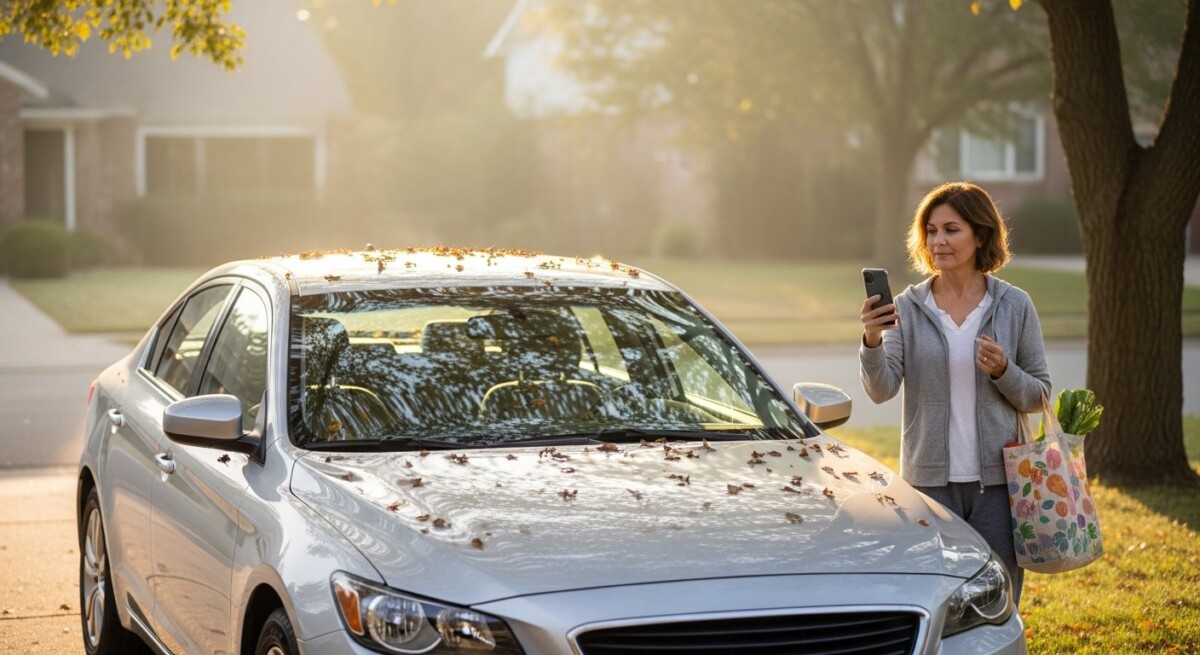
If you only drive a few days a week or use your car infrequently, you might feel like you are paying too much for insurance. Many standard policies assume you drive daily, which can lead to higher premiums for people who spend more time parked than on the road. The good news is that auto insurance for part-time drivers exists and can help you pay only for the coverage you actually need. This article explains how part-time driver policies work, what factors affect your rates, and how to find savings without sacrificing protection.
Who Qualifies as a Part-Time Driver?
Insurance companies define part-time drivers differently, but the general idea is someone who drives significantly fewer miles than the average motorist. The average American drives around 13,500 miles per year. If you drive less than 7,500 miles annually, you may qualify for a low-mileage or part-time driver discount. Common scenarios include remote workers who only drive for errands, retirees who no longer commute, college students who leave their car at home, and people who use public transit most days but keep a car for weekends.
Your driving frequency matters more than your intent. Even if you consider yourself a part-time driver, your insurer looks at estimated annual mileage and usage patterns. Some companies ask for an odometer reading at policy start or renewal. Others use telematics devices or smartphone apps to track actual mileage. Being honest about your driving habits is critical because misrepresenting your mileage could lead to a denied claim or policy cancellation.
How Low-Mileage Policies Differ From Standard Coverage
Low-mileage or pay-per-mile policies are the most common options for part-time drivers. These plans typically include a base rate that covers liability, comprehensive, and collision, plus a per-mile charge for each mile you drive. The base rate is lower than a standard policy because the insurer assumes less risk. For example, if you drive only 5,000 miles per year, a pay-per-mile policy could save you 20 to 40 percent compared to a traditional plan.
Another option is usage-based insurance (UBI), which uses a device or app to monitor driving behavior. UBI rewards safe, low-mileage driving with discounts. Many major insurers offer UBI programs, and they are especially beneficial for part-time drivers because they directly tie premiums to actual usage. However, some drivers dislike the privacy implications of tracking. If that concerns you, ask about low-mileage discounts that do not require monitoring.
For drivers who want a simpler approach, some insurers offer a flat low-mileage discount simply by certifying your annual mileage stays under a threshold. This discount does not require a special policy or device. In our guide on getting the best deal on auto insurance, we explain how bundling low-mileage discounts with other savings can maximize your reduction.
Factors That Affect Your Premium as a Part-Time Driver
Your mileage is the most obvious factor, but insurers also consider where you park the car. If you keep your vehicle in a garage or a secure lot, you may qualify for lower comprehensive rates because theft and vandalism risks drop. Your location matters too: urban drivers often pay more for liability and collision regardless of how little they drive, due to higher accident density in cities.
Another factor is your driving record. Even if you drive infrequently, a single ticket or at-fault accident can raise your rates significantly. Part-time drivers with clean records see the biggest savings from low-mileage policies. Credit history also plays a role in most states. Maintaining good credit can help you secure the best available rate.
The type of car you drive affects premiums too. A sedan with a high safety rating will cost less to insure than a sports car or a luxury SUV. If you are a part-time driver shopping for a vehicle, consider choosing a model with low theft rates and strong safety scores to keep your insurance costs down.
When Part-Time Insurance Might Not Be Enough
Low-mileage policies are not ideal for everyone. If you occasionally take long road trips or drive in high-traffic areas, a standard policy might offer better protection. Some pay-per-mile plans cap the number of miles you can drive per day or month. Exceeding those caps can result in higher per-mile charges or penalty fees. Review the fine print before committing.
Additionally, if you lend your car to a family member or friend who drives more frequently than you do, the policy may not cover their usage correctly. Most personal auto insurance follows the vehicle, not the driver. If a high-mileage driver borrows your car and gets into an accident, the insurer might deny coverage based on misrepresentation of usage. To avoid this, list all regular drivers on your policy and inform the insurer about their driving habits.
For drivers with very low income or those struggling to afford any coverage, state minimum liability is the cheapest option. However, state minimum plans offer limited protection and can leave you financially exposed if you cause a serious accident. In our article on 1st auto insurance options, we compare minimum coverage with more robust plans to help you balance cost and risk.
How to Shop for Auto Insurance for Part-Time Drivers
Start by gathering your current mileage from your odometer. If you have not tracked it, estimate conservatively based on your weekly routine. Then request quotes from at least three insurers that offer low-mileage or pay-per-mile programs. Major companies like Allstate, Nationwide, Progressive, and State Farm have specific products for low-mileage drivers.
When comparing quotes, look beyond the monthly premium. Check the per-mile rate, the base rate, and any fees for exceeding mileage limits. Also consider the deductible structure. Some low-mileage policies have higher deductibles than standard plans, which could be a problem if you have limited savings. Use online comparison tools or call an independent agent who can explain the nuances of each policy.
Ask about discounts that layer on top of low-mileage savings. Common discounts include:
- Multi-policy discount for bundling auto with home or renters insurance.
- Good driver discount for a clean record over three years.
- Vehicle safety discount for cars with anti-lock brakes, airbags, or anti-theft devices.
- Paid-in-full discount if you pay the entire annual premium upfront.
Combining these discounts with a low-mileage plan can reduce your premium by 30 to 50 percent in some cases. Always ask the agent to run the numbers with all applicable discounts applied. For more detailed strategies, see our guide on understanding what parts of a car are not covered by auto insurance so you know exactly what protection your policy provides.
Common Mistakes Part-Time Drivers Make
One frequent error is assuming that driving less automatically means you can drop comprehensive or collision coverage. If you have a car loan or lease, your lender likely requires both. Even if you own the car outright, dropping collision could be risky if you cannot afford to repair or replace your vehicle after an accident. Calculate the value of your car versus the cost of coverage before making changes.
Another mistake is failing to update your insurer when your driving habits change. If you switch from commuting five days a week to working from home, call your agent and ask for a mileage adjustment. Many insurers will reduce your premium mid-policy if you provide a new odometer reading. Similarly, if you move to a safer neighborhood or start parking in a garage, report that change to lower your comprehensive rate.
Some drivers also overlook the importance of roadside assistance and rental car coverage. Part-time drivers may not need these add-ons if they have alternative transportation. But if you rely on your car for essential trips, consider adding them anyway. The cost is usually small, and they can save you money and hassle if your car breaks down.
Special Considerations for Classic and Seasonal Vehicles
If you own a classic car, a vintage motorcycle, or a seasonal vehicle like an RV, you may benefit from specialized part-time insurance. Classic car policies often include agreed-value coverage, which pays a fixed amount if the vehicle is totaled, rather than depreciated value. These policies typically have mileage caps of 2,500 to 5,000 miles per year and require that the car be stored in a garage.
Seasonal vehicles like RVs and motorcycles can be insured only for the months you use them. This is called lay-up coverage. During the off-season, you keep comprehensive coverage for theft and weather damage but drop liability and collision. This approach can cut your annual premium by half or more. If you are unsure about the best approach for your situation, read our article on best auto insurance for bad credit drivers for tips that apply regardless of driving frequency.
Frequently Asked Questions
Can I get auto insurance if I drive less than 5,000 miles a year?
Yes. Many insurers offer low-mileage policies specifically for drivers who log under 7,500 miles annually. You may qualify for a pay-per-mile plan or a flat discount. Compare quotes from multiple companies to find the best rate for your low-mileage profile.
Will my rates go up if I start driving more miles?
It depends on the policy. Pay-per-mile plans adjust your bill based on actual mileage each month. If you drive more, you pay more. Standard policies with a low-mileage discount may increase your premium at renewal if your estimated mileage rises. Notify your insurer promptly if your driving habits change significantly.
Do part-time drivers need full coverage insurance?
Not always. If your car is paid off and has low market value, you might drop collision and comprehensive. But if you cannot afford to replace your car after an accident, keeping full coverage is wise. Evaluate your financial situation and the value of your vehicle before deciding.
Can I insure a car I rarely drive on a standard policy?
Yes, but you will likely overpay. Standard policies assume average mileage. If you drive infrequently, ask your insurer about a low-mileage discount or switch to a usage-based plan. The savings can be substantial without reducing your coverage limits.
Final Thoughts on Auto Insurance for Part-Time Drivers
Finding affordable coverage when you drive infrequently is possible with the right approach. Low-mileage policies, pay-per-mile plans, and usage-based insurance all offer ways to align your premium with your actual driving. The key is to accurately report your mileage, compare multiple quotes, and layer on discounts that reward safe, low-mileage habits. By taking these steps, you can protect yourself and your vehicle without paying for miles you never drive.