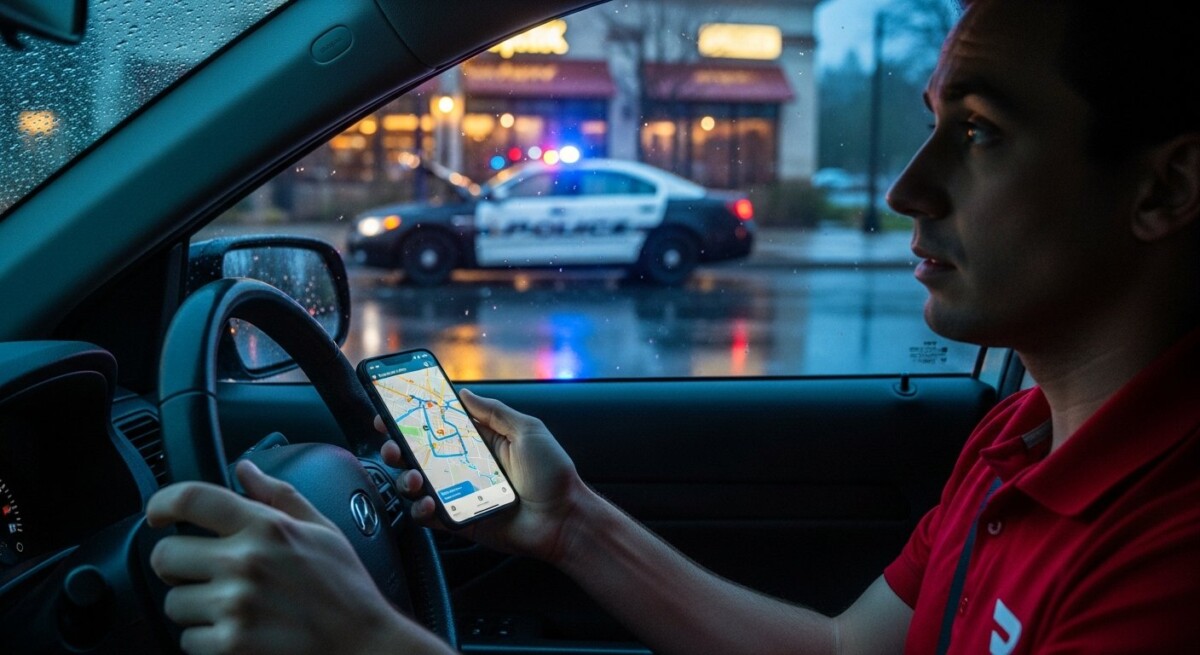
Driving for a food delivery service like DoorDash, Uber Eats, or Grubhub can be a flexible way to earn income. But many drivers do not realize that their personal auto insurance policy may not cover accidents that happen while they are making deliveries. This gap in coverage can lead to denied claims, out-of-pocket expenses, or even policy cancellation. Understanding the specific insurance requirements and options for food delivery drivers is essential to protect yourself and your vehicle.
Standard personal auto insurance policies typically exclude business use, including food delivery. When you log into an app and accept a delivery order, you shift from personal driving to commercial activity in the eyes of insurers. If you cause an accident during that time and your insurer discovers the delivery, they may deny your claim entirely. This is why finding the right auto insurance for food delivery drivers is a critical step before you start delivering.
Why Personal Auto Insurance Falls Short for Delivery Drivers
Most personal auto insurance policies are designed for commuting, errands, and recreational driving. They do not account for the increased mileage, higher risk of accidents, and commercial exposure that comes with delivering food. Insurers classify food delivery as a business use because you are operating your vehicle to earn income. If you have an accident while picking up or dropping off an order, your insurer may investigate and discover the delivery activity.
When that happens, the insurer can deny coverage for the accident, cancel your policy, and even refuse to renew your insurance in the future. This leaves you responsible for vehicle repairs, medical bills, and liability costs for other parties. In our guide on auto insurance for gig workers key coverage tips, we explain how to avoid these pitfalls by choosing the right policy for your work.
Additionally, many delivery apps provide only limited liability coverage while you are actively on a delivery. This coverage often has high deductibles and does not cover damage to your own vehicle. Relying solely on that app-provided insurance is risky and incomplete.
What Auto Insurance for Food Delivery Drivers Typically Covers
Policies designed for food delivery drivers bridge the gap between personal and commercial coverage. They usually include liability protection for bodily injury and property damage you cause to others, collision coverage for damage to your vehicle, and comprehensive coverage for non-collision events like theft or vandalism. Some insurers also offer medical payments coverage and uninsured motorist protection.
Key features to look for in a delivery-friendly policy:
- Explicit permission to use your vehicle for food delivery and ride-hailing services.
- Coverage that applies during all phases of delivery (waiting for orders, driving to the restaurant, and delivering to the customer).
- No exclusion for commercial activity or business use.
- A deductible that you can afford in the event of a claim.
Some insurers offer add-on endorsements or hybrid policies that combine personal and commercial coverage. These options are often more affordable than a full commercial auto policy while still providing the protection you need. For more details on coverage types, see our article on full coverage auto insurance what you must know.
Comparing Commercial Policies vs. Personal Policies with Rideshare Endorsements
There are two main paths to get proper coverage: a commercial auto insurance policy or a personal policy with a rideshare or delivery endorsement. A commercial policy is a standalone plan designed for businesses that use vehicles primarily for work. It offers higher liability limits and broader coverage, but it is also more expensive. For full-time delivery drivers who rely on their vehicle as their primary income source, a commercial policy is often the safest choice.
A personal policy with a delivery endorsement is a more affordable alternative. Many major insurers now offer add-ons specifically for rideshare and food delivery drivers. These endorsements modify your personal policy to include coverage during delivery activities. However, they may have restrictions, such as limiting coverage to certain hours or requiring you to notify the insurer each time you start delivering.
Before choosing, compare the cost of each option against the level of risk you face. If you deliver only a few hours per week, a personal policy with an endorsement may be sufficient. If you deliver full-time, a commercial policy provides stronger protection. In our guide on no-fault auto insurance what you must know, we discuss how state laws can affect your coverage requirements.
How to Find and Compare Auto Insurance for Food Delivery Drivers
Finding the right policy requires research and comparison. Start by contacting your current insurer and asking if they offer a delivery endorsement. If they do not, ask for a referral to a company that specializes in gig economy coverage. You can also use online comparison tools to get quotes from multiple insurers side by side.
When comparing quotes, look beyond the monthly premium. Check the coverage limits, deductibles, and exclusions. Make sure the policy explicitly states that it covers food delivery. Some insurers offer a separate policy for business use that can be bundled with your personal auto insurance for a discount.
Steps to follow when shopping:
- List the delivery apps you use and estimate your weekly driving hours for deliveries.
- Gather your current policy details, including coverage limits and deductibles.
- Request quotes from at least three insurers that offer delivery coverage.
- Compare the coverage terms, not just the price.
- Ask about discounts for safe driving, bundling, or low mileage.
Once you select a policy, keep a copy of your insurance card and the endorsement in your vehicle. If you are involved in an accident, notify your insurer immediately and provide details about the delivery activity. Failure to disclose that you were delivering could result in a denied claim. For guidance on what to do if your policy is canceled, read our article on what to do after auto insurance cancellation.
Common Mistakes Delivery Drivers Make with Insurance
Many drivers assume that because they have personal auto insurance, they are covered for any activity. This is one of the most dangerous misconceptions. Another common error is believing that the insurance provided by the delivery app is sufficient. While apps like DoorDash and Uber Eats offer some liability coverage, it is often limited to when you are actively transporting food and excludes coverage for your own vehicle damage.
Drivers also sometimes fail to update their insurer after they start delivering. Even if you only deliver occasionally, your insurer needs to know. If you do not disclose the delivery activity, your policy could be voided retroactively. Additionally, some drivers try to save money by choosing minimum liability limits, which may not be enough to cover the costs of a serious accident.
Frequently Asked Questions
Do I really need special auto insurance for food delivery?
Yes, if you deliver food for pay, you likely need coverage beyond a standard personal policy. Most personal policies exclude business use, and delivering food is considered a business activity. Without proper coverage, you risk claim denial and personal financial loss.
Can I use a rideshare endorsement for food delivery?
Some insurers offer endorsements that cover both rideshare and food delivery. However, not all endorsements are the same. Read the terms carefully to ensure that food delivery is explicitly included. If the endorsement only mentions rideshare, it may not cover delivery.
How much does delivery insurance cost?
The cost varies based on your driving record, location, vehicle, and the amount of delivery work you do. A delivery endorsement typically adds 10% to 30% to your personal premium. A commercial policy can cost two to three times more than a personal policy. Getting multiple quotes is the best way to find an affordable option.
What happens if I get into an accident while delivering without proper insurance?
If you cause an accident while delivering and your insurer denies coverage, you may be personally responsible for all damages and medical costs. Your personal assets could be at risk, and you might face legal action from the other party. In some states, you could also lose your driver’s license.
Does the delivery app provide enough insurance?
App-provided insurance is limited. It typically covers liability only when you are actively on a delivery and often has a high deductible. It does not cover damage to your own vehicle or injuries you sustain. It is not a substitute for your own policy.
Getting the right auto insurance for food delivery drivers is not just a legal requirement in most states. It is a financial safety net that protects your income, your vehicle, and your future. Taking the time to compare policies and choose the right coverage ensures that you can focus on delivering food without worrying about what happens if the unexpected occurs.