
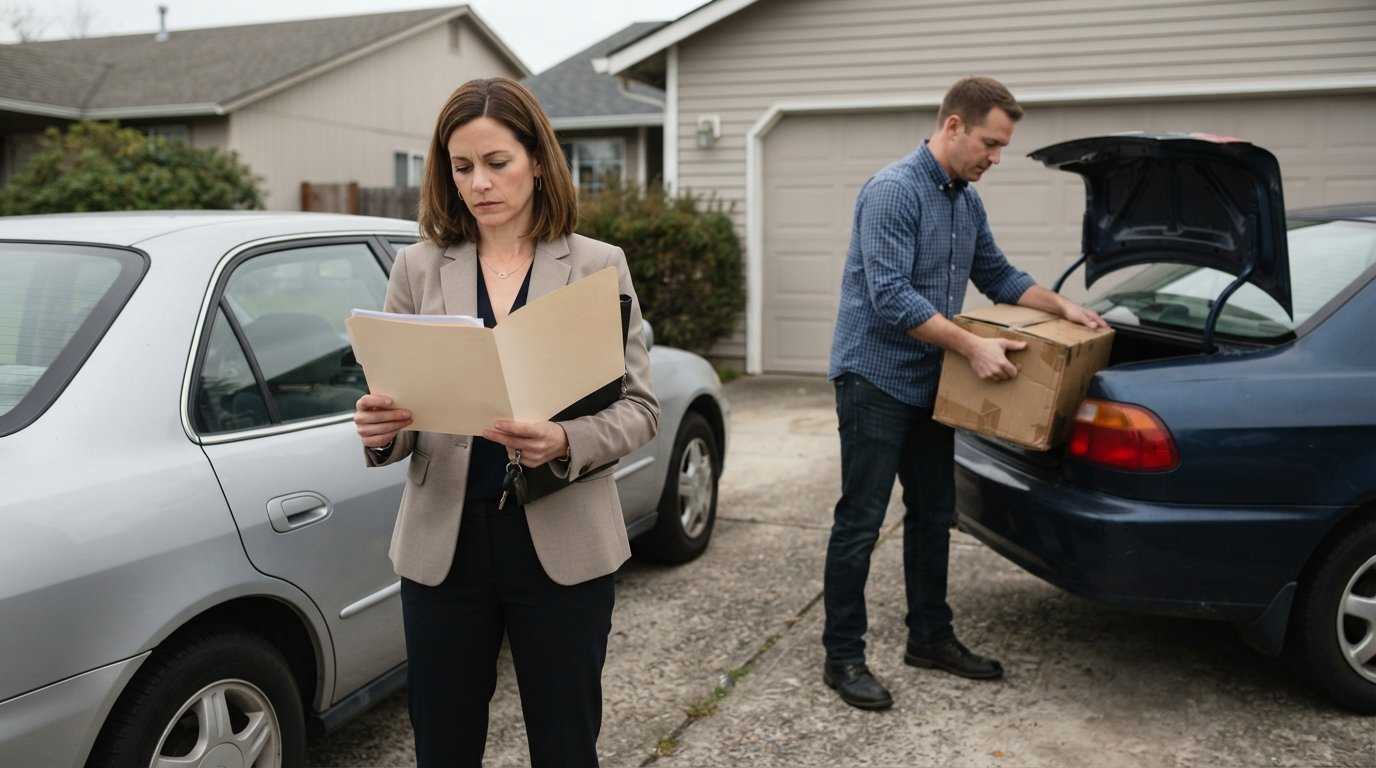
Auto Insurance for Divorced or Separated Couples
Auto insurance for divorced or separated couples requires quick policy updates to avoid gaps and surprise bills. Call 8332147506 for guidance.

By Sebastian Rowe Sebastian Rowe
The end of a marriage or a long-term partnership reshapes nearly every part of daily life, and your car insurance policy is no exception. Many drivers assume their coverage will simply continue as before, only to discover that a separation or divorce can trigger rate changes, coverage gaps, or even claim denials if the policy is not updated correctly. Whether you are newly separated, in the middle of divorce proceedings, or finalizing a settlement, understanding how auto insurance for divorced or separated couples works can protect you from surprise bills and keep you legally covered on the road.
Why Your Marital Status Affects Your Car Insurance
Insurance companies price policies based on risk, and marital status is one of the many rating factors they consider. Statistically, married couples tend to file fewer claims and are viewed as lower risk, which is why many carriers offer lower rates to married drivers. When you divorce or separate, that marital discount often disappears, and both parties may see their premiums increase once they are rated as single drivers. This is not a punishment; it is simply how insurers recalculate risk.
Beyond pricing, the bigger issue is policy structure. A married couple typically shares one policy with both spouses listed as named insureds. Each spouse is covered to drive the household vehicles, and any claims are handled under the same contract. After a separation, that shared structure becomes a liability. If one spouse causes an accident, the claim could still be tied to the joint policy, potentially affecting the other spouse's record and future rates. That is why separating your policies quickly is one of the most important financial moves you can make during this transition.
There is also the question of who owns the vehicles. If both cars are titled in one spouse's name, the other spouse may not have an insurable interest in that vehicle after the divorce is finalized. Insurers generally require that the named insured have a financial stake in the vehicle being covered. Once a divorce decree transfers ownership, the titles and the insurance policies should be updated to match, or a claim could be denied.
When to Split a Joint Auto Policy
Timing matters. Some couples separate informally for months before filing, while others move straight into legal proceedings. As a general rule, you should split your auto policy as soon as you are no longer living at the same address or as soon as one spouse purchases a separate vehicle. Continuing to share a policy when you live in different households can create coverage complications, especially if one spouse moves to a state with different insurance requirements.
There are a few situations where keeping a joint policy temporarily might make sense. If you are still living together during a trial separation and both names remain on the vehicle titles, maintaining the shared policy until the divorce is final can be simpler and may preserve a multi-car discount. However, this arrangement requires trust and clear communication. If one spouse stops paying their share of the premium, the policy could lapse, leaving both drivers uninsured.
If you are unsure whether to split now or wait, consider these factors:
- Are you living at different addresses? If yes, separate policies are usually the safer choice.
- Whose name is on each vehicle title? Insurance should follow ownership.
- Is the divorce decree or separation agreement already assigning vehicles? If so, update coverage to match.
- Do you share a lender or lease? Lienholders and leasing companies often require specific coverage, so coordinate changes carefully.
- Are there teenage drivers on the policy? A split can significantly change rates for both households.
Once you decide to separate coverage, notify your insurer in writing and set a clear effective date. Avoid canceling the old policy before the new one is active, even for a single day. A gap in coverage can lead to higher rates later and, in some states, penalties for driving uninsured.
How Divorce Changes Rates and Discounts
Many couples are surprised by how much their premiums change after a divorce. The loss of the married discount is only one factor. Other changes include losing the multi-car discount when vehicles are split between two policies, losing multi-policy discounts if you previously bundled auto and home or renters coverage, and changes to your credit-based insurance score if finances become strained during the divorce.
On the other hand, some drivers actually save money after a divorce. If your ex-spouse had a poor driving record, DUIs, or multiple at-fault accidents, removing them from your policy can lower your rate substantially. Likewise, if you downsize from two vehicles to one, your premium may drop. The net effect depends on your specific situation, which is why comparing quotes after the split is essential.
If you previously bundled your auto and home or renters insurance, you will need to rebuild those discounts on your own. Our guide on auto insurance for renters and homeowners bundle and save explains how to combine policies under your new household to recover some of that savings.
Steps to Update Your Auto Insurance After Separation
Updating your policy is not complicated, but it does require attention to detail. Missing a step can leave you underinsured or paying for coverage you no longer need. The following sequence works for most drivers going through a divorce or separation.
- Review the divorce decree or separation agreement. This document usually states who is responsible for which vehicle and which debts. Your insurance should align with those terms.
- Determine vehicle ownership. Check the titles. If a vehicle is being transferred, complete the title change before or at the same time as the insurance change.
- Contact your current insurer. Let them know you are separating and ask what documentation they need. Some insurers require a copy of the separation agreement or divorce decree.
- Get quotes for individual policies. Each spouse should shop for their own coverage. Rates vary widely between carriers, so comparing at least three quotes is smart.
- Set effective dates carefully. Start the new policy before canceling the old one. Even a one-day gap can cause problems.
- Update beneficiaries and documents. If you have life insurance or other policies tied to the auto policy, update those as well.
If you are changing your name as part of the divorce, update your driver's license and vehicle registration first, then notify your insurer. Mismatched names can delay claims processing. Also, remember to update your address with the DMV and your insurer if you move.
Who Pays for What During and After Divorce
During a divorce, the court may issue temporary orders about who pays which bills. Auto insurance premiums are often included in these orders. Even if the court assigns responsibility to one spouse, the insurer is not bound by that order. The named insured on the policy is ultimately responsible for paying the premium. If your ex-spouse is supposed to pay but does not, the policy could lapse, and you could be left without coverage.
After the divorce is final, each person is responsible for their own policy. If you share a vehicle, such as a car that one spouse uses but the other owns, you need a written agreement about insurance. Some couples add the non-owning spouse as a listed driver on the owner's policy, but this can be risky if the relationship is strained. A cleaner solution is to transfer ownership so that the driver owns the car and insures it themselves.
For parents sharing custody of teenage drivers, the situation is more complex. The teen may need to be listed on both parents' policies if they drive both households' vehicles. Some insurers allow this, but others require the teen to be rated on the policy where they primarily reside. Speak with your agent about the best arrangement to avoid gaps in coverage.
Common Mistakes to Avoid
The most common mistake is simply doing nothing. Many divorced couples continue sharing a policy for months or years because it seems easier, but this can lead to disputes over claims and premium payments. Another mistake is canceling a joint policy before new coverage is in place. Always have the new policy active first.
Failing to update the title and insurance together is another pitfall. If you sell or transfer a vehicle but leave it on your policy, you may be paying for coverage you cannot use. Conversely, if you drive a vehicle that is titled in your ex-spouse's name and you are not listed on their policy, you may have no coverage at all.
Finally, do not assume your rates will automatically adjust. You must proactively notify your insurer of your new marital status and household composition. Some companies will retroactively adjust rates once they learn of a divorce, but you should not rely on that. Call your insurer or agent and confirm that your policy reflects your current situation.
If you want to explore multiple options quickly, you can use a free quote comparison service to see rates from several carriers at once. For example, FreeAutoInsuranceQuotesOnline helps drivers compare no-obligation quotes and understand coverage choices after a major life change.
Special Considerations for Separated Couples
Separation without a legal divorce creates its own challenges. In many states, a separated couple is still legally married, which means insurers may still consider you married for rating purposes. However, if you are living apart, the insurer may treat you as separate households. Rules vary by state and by carrier, so you need to ask specific questions.
If you are separated but not divorced, you may still be able to share a policy if you both remain on the vehicle titles and the insurer agrees. But if one spouse moves out and takes a vehicle, that vehicle should generally be insured on a separate policy in the new household. Otherwise, you risk having a claim denied because the vehicle is garaged at a different address than the policy states.
Also consider liability exposure. If your separated spouse causes an accident while driving a vehicle titled in your name, you could be named in a lawsuit. Having separate policies and clear ownership helps shield you from that risk. An independent agent or a consumer education resource like NewAutoInsurance.com can help you understand your options, though the site is not an insurance carrier or broker and does not provide legal advice.
Rebuilding Your Insurance Profile
Once the divorce is final and your policies are separated, take time to rebuild your insurance profile. Update your beneficiaries, review your coverage limits, and consider whether you need additional coverage such as uninsured motorist protection. If you moved, your new state may have different minimum requirements.
If your credit score suffered during the divorce, work on improving it. In most states, insurers use credit-based insurance scores to set rates, and a better score can lead to lower premiums over time. Paying bills on time, reducing debt, and avoiding new credit inquiries can all help.
Finally, shop your policy every year or two. Insurers change their rates frequently, and a carrier that was affordable last year may no longer be competitive. Comparing quotes takes only a few minutes and can save you hundreds of dollars annually.
Divorce and separation are difficult enough without insurance complications. By acting early, updating your policy accurately, and comparing quotes from multiple carriers, you can protect your finances and drive with confidence into your next chapter.