
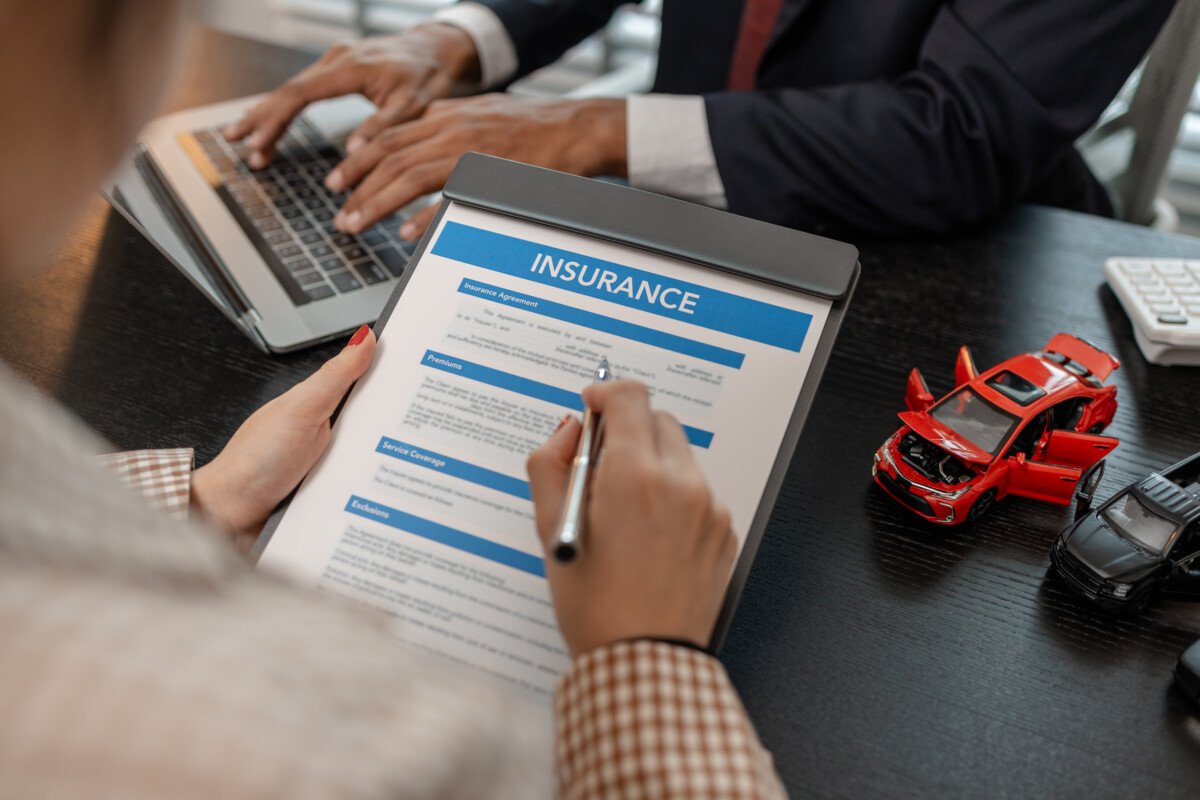
Auto Insurance Companies Near Me: Get Quotes and Expert Advice
Discover how to choose the best local auto insurance agent for personalized service and community-specific coverage. Learn key strategies for comparing policies and getting the right protection.

By Robert Anderson
Searching for “auto insurance companies near me” is about more than just proximity; it’s about finding a partner you can trust when you need them most. While online quotes are convenient, there’s undeniable value in having a local agent who understands your community’s specific risks, from seasonal weather patterns to local traffic trends. The right neighborhood insurer can offer personalized service, faster claims handling, and a tangible sense of security that a distant call center might not provide. This guide will help you navigate the local insurance landscape, teaching you how to evaluate companies, compare coverage, and ultimately choose the right provider for your unique needs and budget.
Why Local Auto Insurance Agents Matter
In an era dominated by digital transactions, the role of a local insurance agent remains surprisingly vital. A local agent acts as your advocate and interpreter within the complex world of auto insurance policies. They can explain the nuances of your state’s minimum coverage requirements, which vary significantly, and advise on additional protections that make sense for your driving habits. When an accident happens, your local agent is often the first point of contact, guiding you through the claims process with a personal touch and potentially speeding up resolution by working directly with local repair shops and adjusters.
Furthermore, local agents possess hyper-local knowledge. They understand which neighborhoods might have higher rates of theft or vandalism, how regional weather like hail or flooding impacts premiums, and the reputation of area body shops. This insight allows them to tailor your policy more precisely than a generic online algorithm. Building a relationship with a local agent means you have a professional who remembers your history and can proactively suggest changes, like discounts for new safety features or adjustments after a life event like a teen driver getting their license.
Strategies for Researching Local Insurers
Beginning your search requires a blend of online tools and good old-fashioned legwork. Start by using online aggregators and direct insurer websites to get a baseline understanding of available companies and preliminary quotes. Pay close attention to the insurers that consistently appear in your area, as a strong local presence often indicates a robust network of agents and service centers.
However, digital research should only be your first step. The most valuable intelligence often comes from your own community. Make a point to ask for recommendations from friends, family, and colleagues whose judgment you trust. Online reviews on platforms like Google, Yelp, and the Better Business Bureau are helpful, but look for patterns in feedback rather than isolated complaints. Consistently praised customer service or efficient claims handling are strong positive indicators.
To systematically evaluate your options, consider these key factors:
- Financial Strength Ratings: Check ratings from A.M. Best, Standard & Poor’s, or Moody’s to ensure the company can pay out future claims.
- Customer Satisfaction Scores: Consult studies from J.D. Power or Consumer Reports to gauge policyholder experiences with claims and service.
- Local Office Accessibility: Visit or call nearby offices. Assess their responsiveness, professionalism, and willingness to answer questions.
- Policy Offerings: Ensure they provide the specific types of coverage you need, whether it’s roadside assistance, rental reimbursement, or specialized coverage for classic cars.
Comparing Quotes and Coverage Details
Once you have a shortlist of promising local auto insurance companies, the critical phase of comparison begins. It is essential to compare quotes for identical coverage levels, deductibles, and limits. A lower premium is meaningless if it comes with inadequate protection or exclusions that leave you vulnerable. When requesting quotes, provide consistent and accurate information about your vehicle, driving history, and household drivers to ensure you’re comparing apples to apples.
Look beyond the monthly premium. Scrutinize the policy details for what is covered and, just as importantly, what is not. Understand the claims process: Is there a 24/7 local claims number? Can you file a claim through your agent directly? How does the company handle repairs do they have a network of preferred shops, or do you have the freedom to choose your own? These operational details can make a significant difference in your experience following an accident.
Don’t hesitate to ask agents to explain any confusing terms or clauses. A good agent will take the time to ensure you fully understand your collision, comprehensive, liability, and uninsured motorist coverage. They should also proactively discuss potential discounts you may qualify for, such as those for bundling with home insurance, maintaining a clean driving record, having safety features like anti-lock brakes, or even for being a good student.
Questions to Ask Before You Sign
Before finalizing your choice with a local auto insurance provider, an informed conversation is your best tool. This dialogue helps confirm your research and establishes the foundation of your relationship with the agent. Prepare a list of questions that address both policy specifics and the practicalities of working with that particular office.
Key questions should include inquiries about how often and under what circumstances your premium might be reviewed and increase. Ask about the procedure for filing a claim is it done through the agent, a central 800 number, or an app? Clarify the agent’s availability; will you be working directly with them or a team? Understanding their communication style and office hours can prevent frustration later. Finally, explicitly ask, “What sets your local agency apart from the direct-to-consumer insurers or other local offices?” Their answer can reveal their values and service philosophy.
Frequently Asked Questions
Is local auto insurance always more expensive than buying online?
Not necessarily. While local agents may have overhead costs, they also have the expertise to find you all eligible discounts and properly tailor your coverage, which can prevent overpaying for unnecessary add-ons or being underinsured. The premium difference is often minimal, and the value in service and advocacy can far outweigh any small cost variance.
How many local companies should I get quotes from?
It’s wise to get quotes from at least three different auto insurance companies near you. This provides a sufficient sample to identify competitive pricing and coverage options without making the process overwhelming. Include at least one major national carrier with a local agent and one strong regional insurer.
Can I switch to a local agent if I already have a policy with a direct company?
Yes, you can switch at any time. You are not locked into a policy for a full term. However, consider the timing; you may face a cancellation fee from your old insurer, and it’s usually best to have the new policy start the day the old one ends to avoid a lapse in coverage. A local agent can often help facilitate this transition smoothly.
What if the cheapest quote comes from a company without a local office?
You’ll need to weigh the cost savings against the potential trade-offs in personalized service and local claims support. If you are a highly independent, tech-savvy driver who rarely needs assistance, a direct insurer might suffice. If you prefer having a dedicated person to call, a local office may be worth a slightly higher premium.
Finding the right auto insurance is a decision that impacts your financial security and peace of mind every time you get behind the wheel. By investing time in researching local auto insurance companies, comparing not just prices but service models, and asking the right questions, you secure more than just a policy. You gain a knowledgeable partner dedicated to protecting you on the road, rooted in the very community where you drive. The goal is to find coverage that feels both comprehensive and connected, ensuring you’re supported locally when you need it most.
Better coverage doesn’t have to cost more—compare now at NewAutoInsurance.com or call 📞 (833) 214-7506.