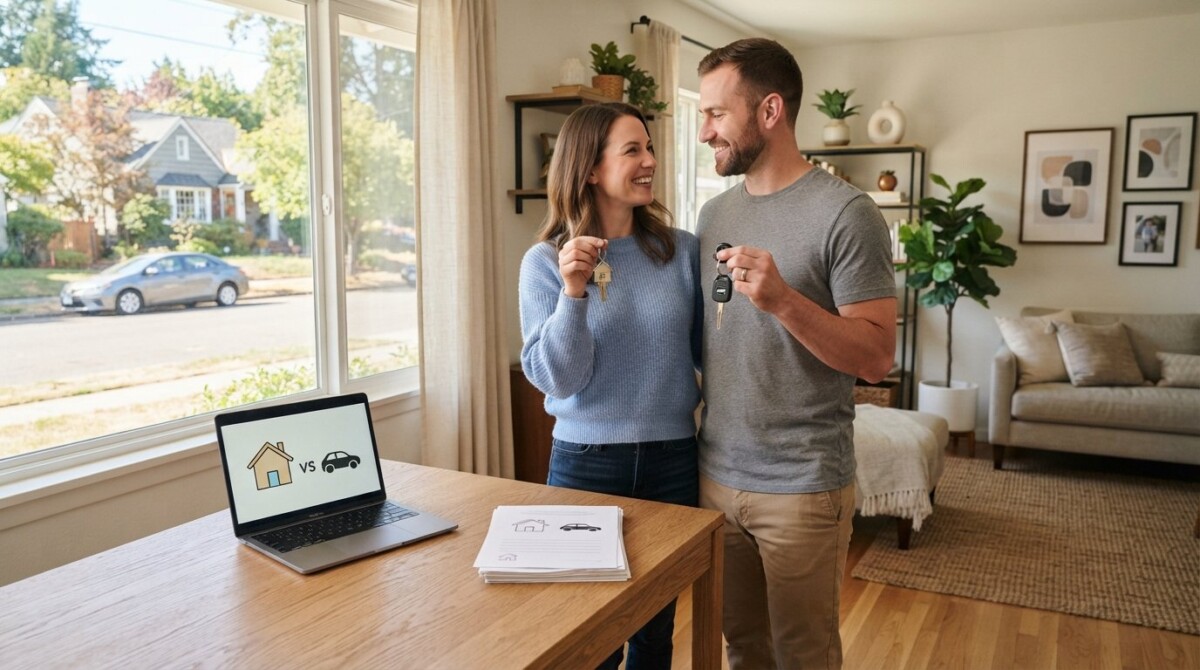
When you rent an apartment or own a house, you probably think about protecting your belongings and your property with a renters or homeowners policy. But did you know that your auto insurance is closely tied to that same coverage? Many drivers overlook the connection between their car insurance and their housing situation, which can cost them hundreds of dollars each year. In fact, combining these policies is one of the smartest financial moves you can make, yet most people never ask their insurer about it. This article explains how auto insurance for renters and homeowners works, why bundling matters, and how you can use this strategy to lower your premiums without sacrificing protection.
The Connection Between Your Car Insurance and Your Housing Situation
Your auto insurance policy is designed to protect you on the road, but the risk profile that insurers use to price your policy includes more than just your driving record. Where you live, whether you own or rent, and how you protect your property all factor into the rates you pay. For example, a homeowner who has a security system and a fire alarm may be seen as a lower risk, which can extend to their auto coverage. Similarly, a renter who carries renters insurance shows financial responsibility, which insurers often reward with lower auto premiums.
The most common way to unlock these savings is through a multi-policy discount, often called a bundling discount. When you purchase two or more policies from the same insurance company, the insurer offers a reduced rate on both. This discount typically ranges from 5% to 25%, depending on the carrier and the state. For a driver paying $1,200 per year for auto insurance, a 15% discount saves $180 annually. That is money you can put toward rent, groceries, or a vacation.
Bundling Auto and Renters or Homeowners Insurance
Bundling is the practice of buying your auto and renters or homeowners policies from the same company. It simplifies your insurance life because you deal with one agent, one bill, and one renewal date. But the real benefit is the discount. Insurers want customer loyalty, and they reward it with lower rates. According to industry data, the average bundling discount is around 16% on auto and 20% on home or renters coverage. Over a five-year period, that can add up to more than $1,000 in savings.
However, bundling is not always the cheapest option in every situation. Sometimes, a standalone auto policy from one company and a renters policy from another might be cheaper, especially if one insurer offers a very low intro rate. That is why you should compare quotes before committing. In our guide on bundling auto and renters or homeowners coverage, we explain how to compare total costs, not just the discount percentage, to find the best deal for your specific needs.
What Counts as Renters or Homeowners Insurance for Bundling?
To qualify for a bundling discount, you need an active renters or homeowners policy. A renters policy covers your personal belongings, liability, and additional living expenses if your rental becomes uninhabitable. A homeowners policy covers the structure of your home, your belongings, liability, and other structures on your property. Both policies are eligible for bundling with auto insurance. Condo insurance and mobile home insurance also count in most cases. If you own a second home or a vacation property, you might be able to bundle that too, but check with your insurer because rules vary.
Some insurers also offer bundling discounts for other types of policies, like umbrella insurance or life insurance. However, the most common and valuable bundle is auto plus renters or auto plus homeowners. That is why it is important to understand how your housing status affects your auto rate.
How to Maximize Your Savings with a Bundle
Once you decide to bundle, you want to squeeze every possible dollar out of the discount. Here are practical steps to get the most from your combined policies:
- Ask for a quote on both policies together, not separately. Insurers often hide the bundled rate until you request a combined quote.
- Increase your deductibles on both policies. A higher deductible lowers your premium, but make sure you can afford the out-of-pocket cost if you file a claim.
- Maintain a clean driving record and a good credit score, as both directly affect your auto rate, even when bundled.
- Inquire about additional discounts, such as paperless billing, paid-in-full, or multi-vehicle discounts, which stack with the bundling discount.
- Review your coverage limits annually. If you have paid off your car or increased your home equity, you might not need as much coverage, which can lower costs.
Following these steps can reduce your combined premium by 20% or more. For example, a family paying $1,500 for auto and $800 for homeowners could save $460 per year with a 20% bundling discount. That is a significant amount of money for a few minutes of work.
What Happens When You Move or Change Your Housing Situation?
Life changes, and so does your insurance needs. If you move from renting to owning a home, or vice versa, your auto insurance rates can change. A move to a new ZIP code can affect your auto premium because of different accident rates, theft rates, and population density. At the same time, your renters policy will be replaced by a homeowners policy, which is typically more expensive because it covers the structure of the home. But the bundling discount still applies, which helps offset the higher cost.
If you get married, add a driver, or buy a new car, your bundle may need adjustment. Always notify your insurer of any change that affects your risk profile. In some cases, you might be eligible for a new discount, like a multi-car discount, that you did not have before. Conversely, if you drop your renters policy because you moved in with family, you will lose the bundling discount, and your auto rate will likely increase. That is why it is crucial to understand the mechanics of bundling before you make a change.
Comparing Standalone Policies vs. Bundling
Bundling is not always the cheapest path. Sometimes, a standalone auto policy from a company that specializes in low-risk drivers, combined with a renters policy from a discount insurer, can be cheaper than a bundle from a single carrier. To make an informed decision, you need to compare the total cost of both scenarios. Start by getting quotes for auto and renters or homeowners separately from at least three insurers. Then, ask each insurer for a combined quote. Calculate the difference and compare the coverage levels, not just the price.
You should also consider the convenience factor. Bundling means one customer service number, one bill, and one renewal date. If you have a claim, you only deal with one company, which can simplify the process. For many people, that convenience is worth a slightly higher premium. But if the savings are significant, having two separate policies might be worth the extra hassle. In our detailed bundling guide for renters and homeowners, we break down the pros and cons of each approach with real-world examples.
When Bundling Might Not Save You Money
There are situations where bundling does not produce the lowest price. For example, if you have a very high-risk auto profile, like multiple accidents or DUIs, an insurer might still offer a bundling discount, but the base auto rate could be so high that a separate policy from a high-risk insurer is cheaper. Similarly, if you live in a state with strict insurance regulations, some insurers might not offer the same discount levels. That is why it is always wise to shop around before renewing your policy.
Another factor is your credit score. Insurers use credit-based insurance scores to set rates. If your credit has improved since you first bought your policy, you might qualify for a lower rate with a different company. Bundling does not guarantee the best rate if your credit is poor. Therefore, you should review your credit report annually and correct any errors before shopping for insurance.
The Role of Coverage Limits in a Bundle
When you bundle, you might be tempted to increase your coverage limits because you are saving money overall. That is actually a smart move if you have assets to protect. For homeowners, increasing your liability coverage from $100,000 to $300,000 can protect your savings and future income if someone sues you after an accident on your property. For renters, a higher liability limit can cover legal fees if a guest is injured in your apartment. Since bundling lowers your premium, you can afford better protection without blowing your budget.
On the auto side, you should consider adding uninsured motorist coverage and comprehensive and collision coverage if you have a newer car. These coverages are not required in all states, but they protect you financially if you hit a deer or get hit by a driver without insurance. Bundling often makes these add-ons more affordable, so you can drive with peace of mind.
How to Get a Bundle Quote Today
Getting a bundled quote is straightforward. You can call your current auto insurer and ask for a renters or homeowners quote. You can also use an independent online resource like NewAutoInsurance.com to compare quotes from multiple carriers. The process takes about 10 minutes, and you will need your current auto policy details, the estimated value of your belongings (for renters) or your home’s replacement cost (for homeowners), and your address. Once you have the quotes, compare them side by side, not just on price but on coverage limits, deductibles, and customer reviews.
If you find a better deal with a new insurer, you can switch. Just be aware of any cancellation fees on your current policies. Most insurers charge a small fee if you cancel before the policy term ends, but the savings from a new bundle often outweigh that cost. In our step-by-step bundling guide, we walk you through the entire process, from gathering documents to finalizing the switch.
Frequently Asked Questions
Do I need renters or homeowners insurance to bundle with auto?
Yes, to get a bundling discount, you must have an active renters or homeowners policy with the same insurer. If you do not have one, you can purchase a new policy along with your auto policy to qualify.
How much can I save by bundling auto and renters or homeowners?
Most insurers offer a discount of 5% to 25% on each policy. The average savings is around 16% on auto and 20% on home or renters. Over a year, that can translate to $150 to $400 or more, depending on your premiums.
Can I bundle auto insurance with a renter’s policy if I have a roommate?
Yes, but the renters policy is usually in one person’s name. If you and your roommate both have cars, you can bundle your auto policy with the renters policy that covers your shared apartment, even if only one of you is named on the lease.
What happens to my bundling discount if I move to a new state?
Your discount may change because insurance regulations and rates vary by state. You will need to update your auto and renters or homeowners policies with your new address. Some insurers will keep the discount, while others may adjust it. Always notify your insurer of a move to ensure continuous coverage.
Bundling your auto insurance with a renters or homeowners policy is one of the easiest ways to reduce your overall insurance costs. It also simplifies your life and can provide better coverage for the same price. Before you renew your current policy, take the time to compare bundled quotes from at least three insurers. The savings can be substantial, and the peace of mind from having all your policies with one company is invaluable. If you are ready to explore your options, call us at 833-214-7506 to speak with a licensed agent who can help you find the best bundle for your situation. Our team at NewAutoInsurance.com is here to guide you through the comparison process, so you can make an informed decision with confidence.