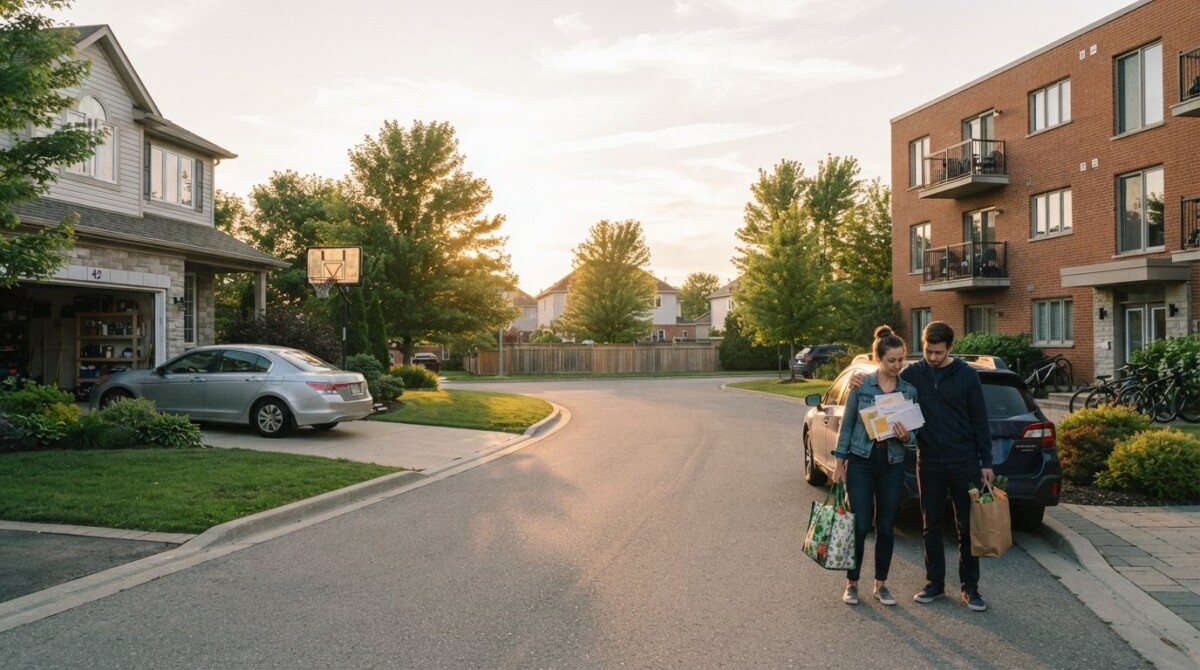
When you rent an apartment or own a house, your auto insurance might be the last thing on your mind. But the connection between your housing situation and your car coverage is stronger than you think. In fact, auto insurance for renters and homeowners often comes with hidden discounts, coverage gaps, and liability risks that many drivers overlook. Understanding how your living situation affects your policy can save you hundreds of dollars a year and protect you from financial disaster after an accident.
Most drivers simply renew their car insurance without thinking about how their home or rental status impacts their premiums. Yet insurers look at your ZIP code, parking arrangements, and even your credit history, all of which are tied to where you live. By taking a strategic approach to your auto insurance for renters and homeowners, you can lower your rates, avoid coverage gaps, and build a more robust protection plan that works for your lifestyle.
Why Your Housing Status Matters for Auto Insurance
Your living situation influences your car insurance in several ways. Insurers evaluate risk based on where you park your vehicle overnight, how often you drive, and the likelihood of theft or damage in your area. Renters who park on the street face higher risks than homeowners with a garage, so their premiums often reflect that difference. On the other hand, homeowners who live in suburban areas with low crime rates may enjoy lower rates than renters in dense urban centers.
Additionally, your housing status affects your ability to bundle policies. Many insurers offer a multi-policy discount when you combine auto insurance with renters or homeowners insurance. This discount typically ranges from 5% to 15% on both policies, which can translate into significant annual savings. For renters, purchasing a separate renters policy is often inexpensive, sometimes as low as $15 per month, yet the bundling discount on your auto insurance can be worth much more than the cost of the renters policy itself.
Another factor is liability coverage. If you own a home, your auto insurance liability limits may not be enough to protect your assets in a lawsuit. Homeowners often need higher liability limits on their auto policy to cover potential judgments that could exceed their home equity. Renters, while having fewer assets, still face the risk of wage garnishment, so adequate liability coverage is essential for both groups.
Coverage Gaps That Renters and Homeowners Face
One of the biggest mistakes drivers make is assuming their auto policy covers everything related to their vehicle. However, auto insurance for renters and homeowners often has gaps that can leave you financially exposed. For example, if you use your personal car for rideshare driving, your standard policy may not cover you while you are logged into the app. Similarly, if you store personal items in your car and they are stolen, your auto policy typically does not cover them; instead, your renters or homeowners policy would apply.
Another common gap is medical payments coverage. If a passenger is injured in your car, your auto insurance may cover their medical bills, but if the injuries are severe, those limits could be exhausted quickly. Your renters or homeowners policy might provide additional medical payments coverage for guests, but it does not extend to auto accidents. To close this gap, you may need to increase your medical payments coverage or purchase a personal umbrella policy.
Finally, consider the risk of uninsured or underinsured motorists. If you live in a state with a high rate of uninsured drivers, your auto policy should include this coverage. However, many renters and homeowners skip it to save money, leaving them vulnerable if they are hit by someone without insurance. A comprehensive auto insurance for renters and homeowners strategy should always include uninsured motorist coverage, especially if you commute in urban areas.
How to Save on Auto Insurance as a Renter or Homeowner
Both renters and homeowners can take specific steps to reduce their auto insurance premiums. Start by reviewing your current policy and asking your insurer about every available discount. Many companies offer discounts for safe driving, low mileage, anti-theft devices, and even good grades for student drivers. But the most impactful discount is often the multi-policy discount, which applies when you bundle your auto insurance with renters or homeowners insurance.
Another effective strategy is to increase your deductibles. A higher deductible lowers your premium, but only do this if you have enough savings to cover the deductible in case of a claim. For homeowners, installing a security system or a garage can also reduce your auto insurance costs because these features lower the risk of theft or vandalism. Renters can benefit from choosing an apartment with secure parking, as some insurers ask about your parking arrangement and offer lower rates for garage parking.
Here are some additional ways to save on auto insurance for renters and homeowners:
- Maintain a clean driving record and take a defensive driving course to earn a discount.
- Ask about a pay-in-full discount if you can afford to pay your premium annually instead of monthly.
- Compare quotes from multiple insurers at renewal time to ensure you are getting the best rate.
- Opt for paperless billing and automatic payments to receive a small discount.
- Review your coverage limits annually to remove unnecessary add-ons like rental car reimbursement if you rarely rent vehicles.
Beyond these tips, consider how your housing status changes over time. If you move from renting to owning a home, your auto insurance needs may shift because you have more assets to protect. Conversely, if you downsize from a house to an apartment, your parking situation might change, which could affect your rates. Always notify your insurer of any address change to ensure your policy reflects your current risk profile.
Bundling Auto and Home or Renters Insurance: What to Know
Bundling is one of the most effective ways to save on auto insurance for renters and homeowners. When you purchase both your auto and renters or homeowners policies from the same insurer, you typically receive a discount on both. This discount can range from 5% to 15%, depending on the company and your state. For example, if your auto insurance costs $1,200 per year and your renters insurance costs $200 per year, a 10% bundling discount would save you $140 annually.
However, bundling is not always the best option. Sometimes, the cheapest auto insurer does not offer the best renters or homeowners rates, and bundling with one carrier might cost more than purchasing separate policies from different companies. To determine if bundling is right for you, compare the total cost of bundled policies against the combined cost of separate policies. Also, consider the convenience of managing both policies with one insurer and the possibility of a single deductible if you ever file a claim that involves both your home and your car.
Another consideration is the claims process. With a bundled policy, you deal with one insurance company for both your auto and home or renters claims, which can simplify the process. However, if you have separate policies, you may need to coordinate between two insurers, which could be more cumbersome. In our detailed guide on auto insurance for renters and homeowners savings tips, we explain how to evaluate bundling options and avoid common pitfalls.
Liability Protection: A Critical Component for Homeowners and Renters
Liability coverage is the foundation of any auto insurance policy, but its importance increases when you own a home or have significant savings. If you cause an accident that results in serious injuries or property damage, you could be sued for medical bills, lost wages, and pain and suffering. Your auto insurance liability limits cover these costs up to the policy maximum, but if the judgment exceeds that limit, you may be personally responsible for the difference.
Homeowners, in particular, have more assets to protect, such as home equity, retirement accounts, and investments. A standard auto policy with state-minimum liability limits is often insufficient for homeowners. For example, if you have $100,000 in liability coverage but cause an accident that results in $250,000 in damages, you could lose your home to satisfy the judgment. To prevent this, consider increasing your liability limits to at least $250,000 per person and $500,000 per accident, or purchase a personal umbrella policy that provides an extra layer of protection.
Renters may think they have fewer assets, but they still face the risk of wage garnishment if a lawsuit exceeds their policy limits. A renter with $50,000 in liability coverage could be sued for $100,000 after a serious accident, and the court could order a portion of their paycheck to be withheld. Therefore, renters should also consider higher liability limits, especially if they have a high income or savings. Our article on auto insurance for renters and homeowners savings tips offers more insight into liability coverage decisions.
Special Considerations for Drivers Who Work From Home
Since the pandemic, many drivers now work from home, which can affect their auto insurance needs. If you work from home, you likely drive fewer miles, which qualifies you for a low-mileage discount. However, if you use your car for business purposes, such as delivering goods or driving to client meetings, your auto policy may need to be updated to commercial coverage. Personal auto insurance typically excludes business use, so it is crucial to inform your insurer about how you use your vehicle.
For renters and homeowners who work from home, your auto insurance for renters and homeowners may also interact with your home-based business coverage. If you have clients visit your home, your renters or homeowners policy may provide some liability coverage, but it may not cover business-related accidents. Similarly, if you use your car for business errands, your personal auto policy might not cover you. Review your policies to ensure you have adequate protection for both your personal and business activities.
Another consideration is parking. If you work from home, your car is likely parked at your residence during the day, which reduces the risk of theft or damage compared to parking in a public lot. This might make you eligible for a lower rate, but only if your insurer knows about your parking situation. Always update your insurer when your work or driving habits change, as this can lead to savings or prevent a claim denial.
How to Compare Quotes for Auto Insurance as a Renter or Homeowner
Comparing quotes is essential to finding affordable auto insurance for renters and homeowners. Start by gathering your current policy details, including coverage limits, deductibles, and premiums. Then, request quotes from at least three different insurers, making sure to provide the same information to each so you can compare apples to apples. Use online comparison tools or work with an independent agent who can shop on your behalf.
When comparing quotes, look beyond the premium amount. Consider the insurer’s financial stability, customer service reputation, and claims process. A cheap policy from a company with poor claims handling could cost you more in the long run. Also, check for discounts that each insurer offers, such as bundling, safe driver, or anti-theft discounts, and ask if they apply to your situation.
One effective strategy is to use a resource like NewAutoInsurance.com, which provides unbiased comparisons and educational content. You can find detailed guides on auto insurance for renters and homeowners savings tips to help you navigate the process. After comparing quotes, choose the policy that offers the best value, not just the lowest price, and reassess your coverage every year to ensure it still aligns with your needs.
Frequently Asked Questions
Can I bundle auto insurance with renters insurance if I do not own a car?
Yes, you can bundle renters insurance with a non-owner auto insurance policy if you do not own a car but occasionally drive. Non-owner insurance provides liability coverage when you drive a borrowed or rented vehicle. Bundling it with renters insurance can earn you a discount, but only if the insurer offers non-owner policies.
Does my auto insurance cover my car if it is parked in a garage at my rental property?
Yes, your auto insurance covers your car regardless of where it is parked, as long as the loss is covered, such as theft, vandalism, or fire. However, if you park in a garage, the garage owner’s property insurance might cover damage to the building, but not your car. Your auto policy’s comprehensive coverage would handle damage to your vehicle.
What is the difference between renters insurance and homeowners insurance for auto bundling?
Renters insurance covers your personal property and liability inside a rental unit, while homeowners insurance covers the structure of your home, your personal property, and liability. Both can be bundled with auto insurance for a discount, but homeowners policies are more expensive because they cover the building itself. The discount percentage is often similar for both.
Do I need higher liability limits if I own a home?
Yes, homeowners should typically carry higher liability limits than renters because they have more assets to protect. A good rule of thumb is to have liability limits at least equal to your net worth. Consider an umbrella policy for additional protection beyond your auto and homeowners limits.
Final Thoughts on Auto Insurance for Renters and Homeowners
Your housing status is a significant factor in your auto insurance costs and coverage needs. By understanding how renters and homeowners differ, you can make informed decisions that save money and provide better protection. Bundling your auto with renters or homeowners insurance is one of the most effective savings strategies, but it requires careful comparison. Increasing your liability limits, adjusting your deductibles, and taking advantage of discounts can further reduce your premiums.
Remember to review your policy at least once a year and whenever you move or experience a major life change. If you are unsure about the right coverage, consult with a licensed insurance agent or use resources like NewAutoInsurance.com for guidance. For more detailed advice, check out our other article on auto insurance for renters and homeowners savings tips to explore additional strategies. With the right approach, you can secure affordable auto insurance for renters and homeowners that fits your budget and protects your future.