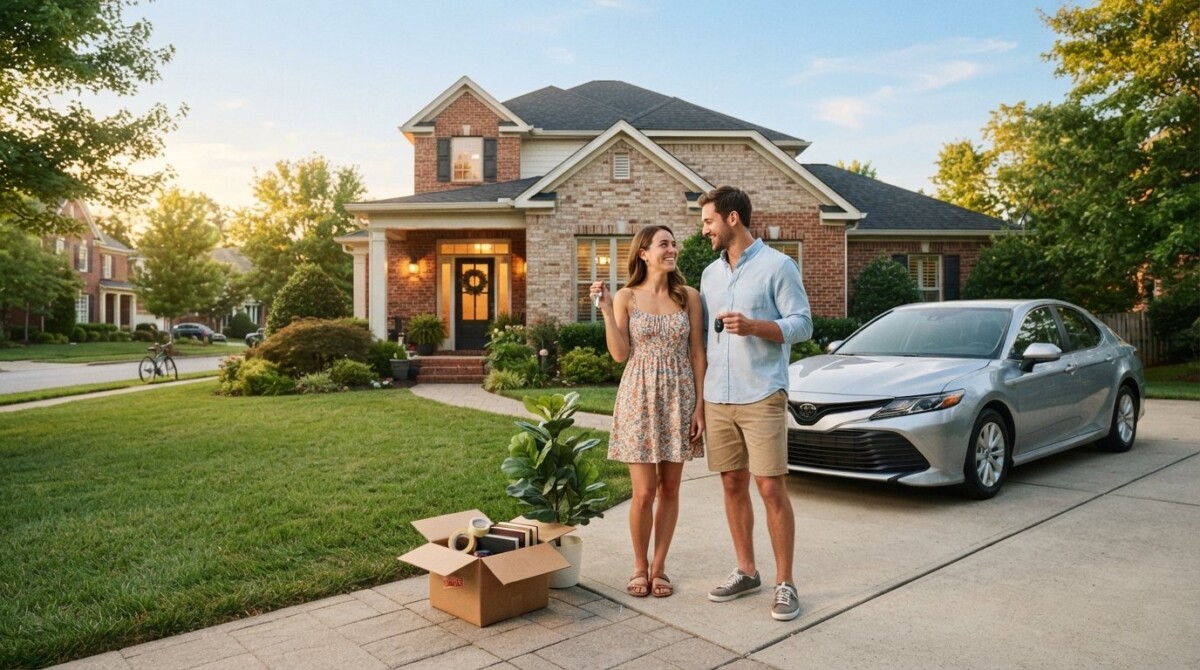
When you rent an apartment or own a house, your auto insurance might be the last thing on your mind. But the type of dwelling you live in can directly influence your car insurance rates and coverage needs. Many drivers overlook this connection, leaving money on the table or facing gaps in protection. Understanding how auto insurance for renters and homeowners works can help you secure better rates, avoid costly mistakes, and ensure you have the right coverage when it matters most.
Your living situation affects your insurance in several ways, from the discounts you can access to the liability risks you face. For example, homeowners often qualify for bundled policies that combine home and auto coverage, while renters may miss out on such savings unless they explore separate options. At the same time, your parking situation, commute length, and even your credit history can tie back to whether you rent or own. This article breaks down the key differences, practical strategies, and hidden opportunities that apply to both groups.
Why Your Housing Status Matters for Car Insurance
Insurance companies assess risk based on numerous factors, and your housing type is one of them. Homeowners tend to be viewed as more stable and financially responsible, which can lead to lower auto premiums. Renters, on the other hand, may face slightly higher rates because they are perceived as more transient, though this is not always the case. Insurers also consider whether you have a garage, a driveway, or street parking, as these affect the likelihood of theft or vandalism.
Beyond risk perception, your housing status opens doors to specific discounts. Many insurers offer a multi-policy discount when you bundle auto insurance with renters or homeowners insurance. This can save you anywhere from 5% to 25% on both policies. For homeowners, this is straightforward: you likely already have a home policy, so adding or switching your auto coverage to the same carrier can unlock immediate savings. For renters, you might not have a renters policy yet, but purchasing one and bundling it with auto insurance can lower your overall costs while protecting your personal belongings.
Another angle is liability coverage. If you own a home, your auto liability limits may need to be higher to protect your assets in case of an accident. If you rent, your personal assets are typically fewer, but you still face potential lawsuits. Understanding these nuances helps you tailor your coverage limits appropriately, ensuring you are neither underinsured nor overpaying for unnecessary protection.
Key Differences in Coverage Needs Between Renters and Homeowners
While the core components of auto insurance are the same for both groups, the recommended coverage levels and optional add-ons can differ. Homeowners often have more to lose, so they might opt for higher liability limits and comprehensive coverage. Renters, especially those in urban areas with street parking, may benefit from comprehensive coverage to guard against theft or weather damage, but they might not need as high liability limits if their assets are limited.
One overlooked area is gap insurance. If you finance or lease a vehicle, gap coverage pays the difference between your car’s actual cash value and what you owe on the loan. This is relevant for both renters and homeowners, but homeowners who have built equity might be in a better position to absorb a loss. Renters with tight budgets may find gap insurance a lifesaver in the event of a total loss.
Another difference involves usage-based insurance programs. Renters who drive less because they live near work or use public transit may qualify for pay-per-mile or telematics discounts. Homeowners with long commutes might not, but they could benefit from accident forgiveness programs that reward safe driving over time. Understanding your driving patterns and matching them to the right policy features is key to maximizing value.
For a deeper dive into how your driving habits and housing type interact, check out our guide on auto insurance for renters and homeowners for practical examples and comparison tips.
Smart Ways to Save on Auto Insurance as a Renter or Homeowner
Both renters and homeowners can employ several strategies to reduce their auto insurance premiums without sacrificing coverage. The most effective approach is to shop around and compare quotes from multiple insurers, as rates can vary significantly. But beyond that, here are targeted tactics:
- Bundle your policies: Combine auto with renters or homeowners insurance to earn a multi-policy discount, often 10% to 20%.
- Increase your deductible: Raising your collision and comprehensive deductibles from $500 to $1,000 can lower your premium by up to 15%.
- Ask about housing-specific discounts: Some insurers offer discounts for garaging your car in a secure location, such as a garage or gated community.
- Maintain good credit: In most states, insurers use credit-based insurance scores, so paying bills on time helps.
- Review your coverage annually: Life changes, such as moving from a rental to a home or vice versa, can alter your needs and qualify you for new discounts.
These strategies are not one-size-fits-all. For instance, a renter might find that raising the deductible is risky if they lack emergency savings, while a homeowner with a robust emergency fund can comfortably take that step. Similarly, a homeowner with a paid-off car might consider dropping collision coverage entirely, but a renter with a financed vehicle must keep it. Tailor these tips to your financial situation and driving needs.
It is also worth noting that some insurers provide discounts for completing defensive driving courses, which benefit both groups. And if you work from home, you may qualify for a low-mileage discount. Always ask your agent about every available discount; you might be surprised by what you qualify for.
How Moving or Changing Your Housing Status Affects Your Policy
Moving from a rental to a home, or the reverse, is a major life event that should trigger a review of your auto insurance. When you move, your insurer may recalculate your premium based on your new ZIP code, which can change your rates due to different accident statistics, theft rates, and weather risks. Additionally, if you move to a home with a garage, you might receive a discount for secure parking, whereas a street-parked rental might increase your risk of vandalism claims.
If you purchase a home, you might also need to increase your liability limits on your auto policy to protect your new asset. For example, if you are sued after an at-fault accident, the plaintiff could go after your home equity if your auto liability limits are insufficient. Renters, by contrast, might have fewer assets to protect, but they still face the risk of wage garnishment, so adequate coverage is still essential.
On the flip side, if you downsize from a home to a rental, you might be able to lower your liability limits and free up cash for other expenses. However, do not drop coverage prematurely. A better approach is to adjust your coverage in line with your actual risk profile. For a detailed breakdown of how moving affects your coverage, see our article on moving truck rental coverage, which also touches on temporary vehicle use during a move.
The Role of Bundling in Maximizing Your Savings
Bundling auto insurance with renters or homeowners insurance is one of the most effective ways to save money. According to industry data, multi-policy discounts can reduce your combined premiums by an average of 15% to 25%. For a homeowner paying $1,200 annually for auto and $800 for home insurance, bundling could save $300 or more per year. For a renter, adding a renters policy that costs $150 per year might save $100 on auto insurance, effectively making the renters coverage almost free.
However, bundling is not always the best option if the insurer’s individual rates are high. You might find that buying separate policies from different carriers results in lower total costs, even without a bundle discount. Therefore, always compare the bundled price against standalone quotes. Also, consider the convenience of having a single agent and a single billing cycle, which can reduce administrative hassle and ensure consistent coverage.
When evaluating a bundle, pay attention to coverage details. Some insurers may offer a discount but reduce coverage limits on one policy to offset the savings. Read the fine print and ensure both policies meet your minimum requirements. If you already have a home or renters policy, ask your current insurer for a quote on auto insurance. If you only have auto insurance, ask about adding a renters policy even if you have minimal belongings; the discount might outweigh the cost.
For more insights on how bundling fits into your overall insurance strategy, explore our resource on auto insurance coverage for mechanical repairs, which clarifies what is and is not covered under standard policies.
Common Misconceptions About Auto Insurance for Renters and Homeowners
Many drivers hold incorrect beliefs about how their housing status interacts with auto insurance. One common myth is that renters do not need renters insurance if they have auto insurance, but auto insurance does not cover personal property inside your home. Another misconception is that homeowners automatically receive the best rates, but that is not always true, especially if they have a long commute or poor credit. Let us debunk a few more:
- Myth: Your auto insurance covers your belongings in your car. Actually, personal items stolen from your car are typically covered by your renters or homeowners insurance, not your auto policy.
- Myth: Moving to a safer neighborhood guarantees lower rates. While ZIP code matters, your driving record, vehicle type, and coverage choices have a larger impact.
- Myth: You cannot switch insurers mid-policy. You can cancel at any time, though you might face a small cancellation fee. However, switching can save money if you find a better rate.
- Myth: Bundling always saves money. It often does, but not always. Always compare standalone and bundled quotes.
Understanding these myths helps you avoid costly mistakes. For example, if you assume your auto insurance covers a rental car or a moving truck, you might face unexpected bills. Check your policy or ask your agent before assuming coverage. For a comprehensive look at what your auto policy includes, review our guide on hydro lock coverage, which illustrates the importance of knowing your policy’s exclusions.
Frequently Asked Questions
Does auto insurance for renters and homeowners differ in cost?
Yes, on average, homeowners may pay slightly lower auto premiums due to perceived stability and potential bundling discounts, but renters can also access competitive rates by shopping around and maintaining a clean driving record. The actual difference depends on your specific profile, location, and coverage choices.
Is it worth buying renters insurance if I already have auto insurance?
Absolutely. Renters insurance is inexpensive, typically $15 to $30 per month, and it protects your personal property and provides liability coverage. Plus, bundling it with your auto insurance can reduce your auto premium, often offsetting the cost of the renters policy.
How does moving affect my auto insurance premium?
Moving to a new ZIP code can change your rates due to different risk factors such as traffic density, crime rates, and weather patterns. Notify your insurer before or immediately after moving to ensure your policy reflects your new address and to explore any new discounts you might qualify for.
Can I bundle auto insurance with a homeowners policy I already have?
Yes, if you have a homeowners policy, you can typically add auto insurance from the same carrier to earn a multi-policy discount. Contact your current home insurer for a quote, and compare it with standalone auto quotes from other carriers to confirm you are getting the best deal.
Final Thoughts on Optimizing Your Coverage
Whether you rent or own, your auto insurance should align with your living situation to maximize savings and protection. Review your policy annually, especially after major life changes like moving, buying a home, or getting married. Use the strategies outlined here to adjust deductibles, bundle policies, and explore discounts. If you are unsure about your coverage needs, consult with a licensed insurance agent who can provide personalized advice.
Remember that auto insurance is not a static product; it evolves with your life. By staying informed and proactive, you can ensure that you are neither overpaying nor underinsured. For more tailored guidance, reach out to our team at 833-214-7506 to discuss your options and get a free quote.