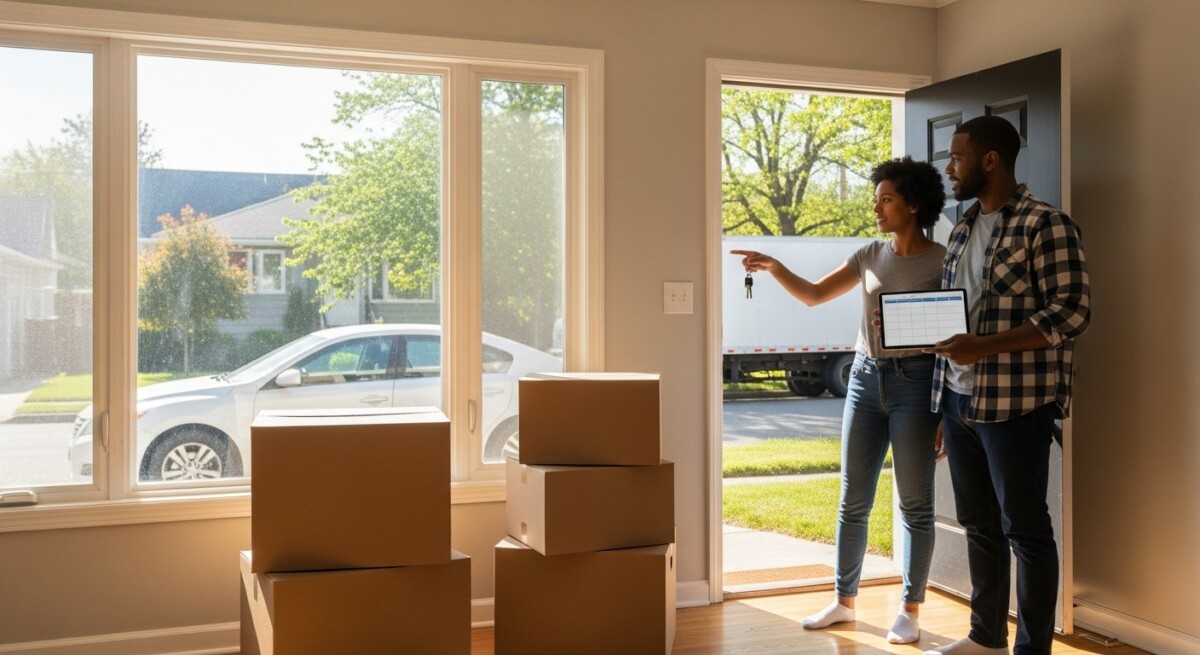
When you move from renting an apartment to buying a home, or even when you switch between rental properties, your auto insurance needs can shift in ways that are easy to overlook. Many drivers assume their car policy stays exactly the same regardless of where they live, but your housing situation actually influences your risk profile, your available discounts, and even the coverage limits you should carry. Understanding how auto insurance for renters and homeowners differs can help you avoid paying too much, or worse, discovering a coverage gap after an accident. This guide breaks down the key factors that change, the savings opportunities you might be missing, and the practical steps to adjust your policy correctly.
First, it helps to understand that insurers price policies based on risk, and your living situation is part of that calculation. Homeowners often qualify for lower auto rates because they tend to stay in one place longer, which correlates with fewer claims. Renters, on the other hand, may move more often, and frequent moves can lead to lapses in coverage or changes in driving patterns. But renters can also access unique discounts, such as bundling renters insurance with auto insurance, which we will explore shortly. The key is to know what levers to pull, whether you own a house or lease an apartment.
How Your Housing Status Affects Auto Insurance Premiums
Insurance companies use a variety of rating factors to set your premium, and your homeownership status is one of them. Statistically, homeowners file fewer auto claims than renters. This is partly because homeowners tend to be older, more financially stable, and less transient. Insurers reward this perceived stability with lower rates. A 2023 study by the Insurance Information Institute found that homeowners pay, on average, 8% to 12% less for auto insurance than renters with similar driving records. That may not sound like much, but over a year, it can translate to $100 or more in savings.
However, that does not mean renters are penalized unfairly. Renters can offset this difference by leveraging other discounts, such as good driver, low mileage, or defensive driving course credits. Also, if you live in a dense urban area as a renter, your rates might already be higher due to traffic and theft risk, so the difference between owning and renting becomes just one factor among many. The important takeaway is that your housing status is not a fixed destiny for your premium; it is one input among dozens. Instead of assuming you are stuck with a certain rate, you should compare quotes from multiple carriers and ask specifically about homeowner or renter discounts.
One often overlooked aspect is the change in your daily commute. When you move from a rental near your office to a home in the suburbs, your annual mileage may increase, which can raise your premium. Conversely, moving to a home closer to work or with better public transit access could lower your mileage and reduce costs. When you update your address with your insurer, be sure to provide an accurate estimate of your new annual mileage. Many people forget to do this, and their rates stay artificially high. On the flip side, if you move to a home with a garage, you might qualify for a lower comprehensive rate because your car is less exposed to theft and weather damage.
Bundling Auto Insurance with Renters or Homeowners Policies
One of the most powerful ways to save on auto insurance, whether you rent or own, is to bundle it with your property insurance. For renters, this means purchasing a renters insurance policy (which covers personal property and liability) from the same carrier as your auto insurance. For homeowners, it means combining your home and auto policies. Bundling typically earns you a multi-policy discount of 5% to 25%, depending on the insurer and state. That discount alone can close the gap between what renters and homeowners pay for auto coverage.
But bundling is not just about the discount. It also simplifies your life: one bill, one agent, one app to manage both policies. If you ever file a claim, you deal with a single company, which can reduce confusion and speed up the process. For example, if a tree falls on your car and your home in the same storm, having both policies with the same insurer means one adjuster can handle both claims, potentially saving you time and paperwork. In our article on bundling perks, we detail how to maximize these savings without overpaying.
However, bundling is not always the best choice for everyone. Sometimes, the combined premium from one carrier is still higher than buying separate policies from different companies, especially if one carrier has weak renters coverage or high rates for your home. Always compare the bundled price against standalone quotes. Also, check whether the discount is worth the potential loss of a better individual policy. For renters, renters insurance is relatively inexpensive (often $15 to $30 per month), so even a small multi-policy discount can make it nearly free. For homeowners, the discount is more substantial, but you must ensure your home coverage is adequate, not just cheap.
When you bundle, you also gain access to other perks, such as accident forgiveness or vanishing deductibles. Some insurers reward loyalty with additional discounts after a certain number of years. If you are a renter, consider starting with a renters policy even if you have minimal possessions, because the liability coverage is crucial and the discount on your auto policy often pays for the entire renters premium. That is a win-win scenario that many people overlook. To see how this works in practice, you can read our guide on key differences between renters and homeowners auto insurance.
Coverage Requirements and Liability Considerations
Your housing status can also influence the level of liability coverage you need. Renters often assume they do not need as much liability coverage because they do not own property. However, that is a misconception. In an at-fault accident, the other party can sue you for damages beyond your auto policy limits, and if you have few assets, your wages could be garnished. Renters, especially those with future earning potential, should consider higher liability limits, such as 100/300/100 (bodily injury per person, per accident, and property damage). Homeowners, on the other hand, may already have liability coverage through their home policy, but that does not extend to auto accidents. A separate umbrella policy is often recommended for both renters and homeowners who have significant assets to protect.
For homeowners, the equity in your home is a target for lawsuits. If you cause a serious accident and your auto liability limits are too low, the plaintiff could go after your house. That is why financial advisors often recommend that homeowners carry at least $250,000 in bodily injury liability per person and $500,000 per accident, or even an umbrella policy that kicks in after your auto limits are exhausted. Renters may not have a house, but they may have savings, investments, or a future inheritance. The same logic applies: you want enough liability coverage to protect your net worth, whatever it is now or will become.
Another coverage difference involves comprehensive and collision. If you rent and do not own a car that is financed, you may be tempted to drop collision and comprehensive to save money. However, if you cannot afford to replace your car out of pocket, keeping these coverages is wise. Homeowners who have paid off their cars might also consider dropping collision on older vehicles, but they must weigh the risk. A good rule of thumb: if your car is worth less than $3,000, paying $500 a year for collision may not be worth it. But this is a decision based on your car’s value, not your housing status.
Finally, consider uninsured/underinsured motorist coverage. This is especially important for renters who may live in areas with higher rates of uninsured drivers. Homeowners in suburban or rural areas might see lower uninsured driver rates, but they still face the risk. Adding this coverage is usually inexpensive and can save you from paying out of pocket if you are hit by a driver with no insurance. In our piece on how auto insurance for renters and homeowners works, we explain how these coverages interact with your living situation.
Key Savings Strategies for Renters and Homeowners
Regardless of whether you rent or own, there are several actionable strategies to lower your auto insurance costs. The most effective ones are:
- Bundle your auto policy with renters or homeowners insurance from the same carrier to earn a multi-policy discount.
- Increase your deductible from $500 to $1,000, which can reduce your collision and comprehensive premiums by 10% to 20%.
- Ask about discounts for safety features, such as anti-lock brakes, airbags, and anti-theft devices.
- Take a defensive driving course to qualify for a discount, which is available in most states.
- Maintain a good credit score, as insurers use credit-based insurance scores in most states.
These strategies work for both groups, but there are nuances. Homeowners may qualify for a loyalty discount if they stay with the same insurer for multiple years, while renters might get a discount for having a clean claims history. Also, if you are a homeowner, you might be eligible for a discount if your home has a security system or if you are retired and drive less. Renters can sometimes get a discount if they live in a building with a secure parking garage, which reduces theft risk.
One often missed opportunity is the low-mileage discount. If you work from home or use public transit, you might qualify for a usage-based insurance program that tracks your driving and rewards low mileage. For renters who live in urban areas, this can be a significant saving. Homeowners who drive less due to remote work should also update their annual mileage with their insurer. In fact, simply correcting your annual mileage from 15,000 to 8,000 can save up to 5% to 10%.
Another strategy is to review your coverage annually. Life changes, such as paying off a car loan, moving, or getting married, can alter your insurance needs. For example, if you pay off your car, you can drop collision and comprehensive if the car is old and not worth much. Homeowners who have a paid-off car might also reduce coverage to liability-only, but they should consider the replacement cost. In our article on key savings for renters and homeowners, we outline additional discounts that are often overlooked.
Frequently Asked Questions
Does auto insurance cost more for renters than homeowners?
Yes, on average, renters pay slightly more for auto insurance than homeowners. This is due to statistical risk factors, such as higher mobility and potentially less stable finances. However, the difference is not huge, and renters can offset it by bundling renters insurance, maintaining good credit, and taking advantage of other discounts.
Can I bundle renters insurance with my auto insurance?
Absolutely. Most major insurers offer renters insurance as a standalone policy, and you can bundle it with your auto insurance to get a multi-policy discount. This discount often makes the renters insurance cost very low, sometimes nearly free, after the auto savings are considered.
Do I need higher liability limits if I own a home?
It is strongly recommended. Homeowners have more assets to protect, and if you are found liable for a serious accident, your auto insurance limits may be insufficient, putting your home at risk. Consider increasing your bodily injury liability to at least 100/300/100, and consider an umbrella policy for extra protection.
What happens if I move from a rental to a home and do not update my auto insurance?
If you do not update your address, your insurer may not accurately assess your risk, and you could miss out on discounts or face a coverage gap. You should notify your insurer immediately after moving, even if you are just changing apartments. Your premium may go up or down depending on the new location’s risk factors.
Final Thoughts on Adjusting Your Auto Coverage
Whether you are a renter or a homeowner, your auto insurance policy should reflect your current living situation. Homeowners can leverage their stability to negotiate better rates, while renters can use bundling and low-mileage discounts to stay competitive. The key is to review your policy every six months, especially after a move, and to compare quotes from at least three different insurers. Using an independent resource like NewAutoInsurance.com can simplify this process, as we provide unbiased comparisons and educational content to help you make informed decisions. If you have questions about your specific situation, our team can connect you with licensed agents who can offer personalized quotes. Call us at 833-214-7506 for assistance. Remember, the right coverage is not just about price; it is about ensuring that you are adequately protected, whether you own a house or rent an apartment. Taking a few minutes to review your policy today can save you money and give you peace of mind tomorrow.