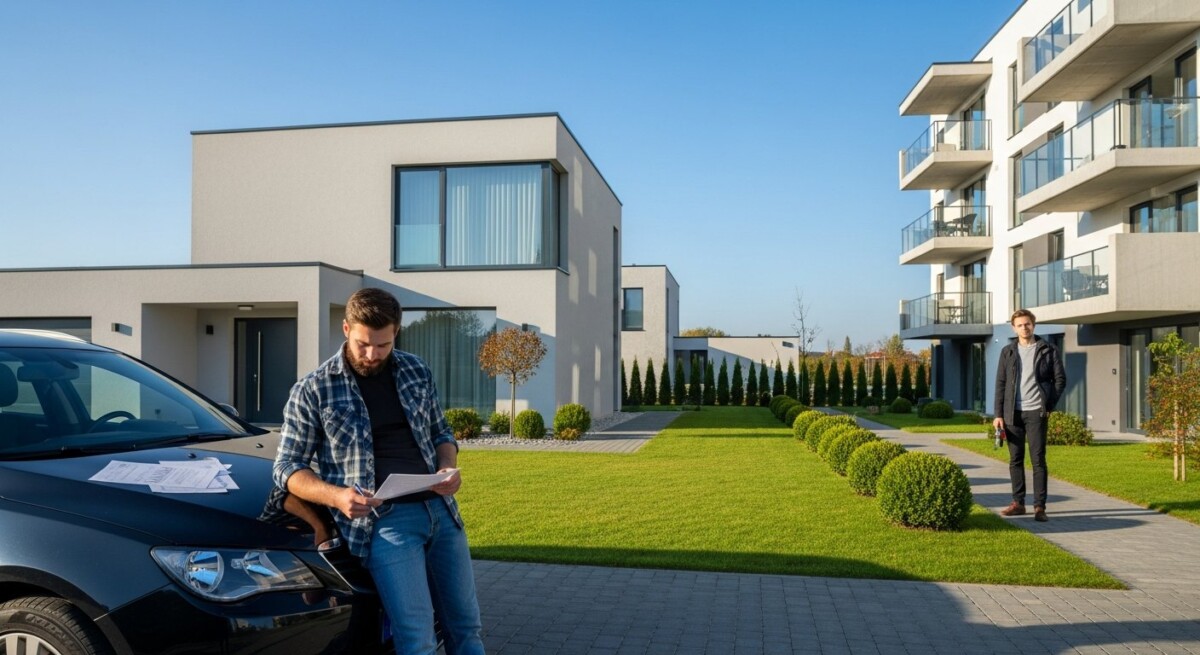
When you rent an apartment or own a house, your auto insurance might be the last thing on your mind. Yet the type of dwelling you live in can directly influence the cost of your car insurance, the coverage you need, and the discounts you can unlock. Many drivers discover too late that their policy does not account for their living situation, leaving them overpaying or underinsured. This guide explains how auto insurance for renters and homeowners differs, what factors matter most, and how to structure your coverage for maximum protection and savings.
How Your Housing Status Affects Auto Insurance Rates
Insurance companies use a wide range of data to price auto policies, and your housing status is one of the less obvious factors. Homeowners often receive lower auto insurance premiums than renters, not because they are better drivers, but because they tend to own more assets and carry higher liability limits. Insurers view homeowners as more financially stable, which statistically correlates with fewer claims and lower risk. Renters, on the other hand, may carry lower liability limits, which can lead to higher rates if the insurer perceives a higher risk of uninsured losses.
Your credit history, which is closely tied to housing stability, also plays a role. Homeowners typically have longer credit histories and higher scores, which insurers use as a rating factor in most states. Renters with thin credit files may see higher premiums. However, you can offset this by shopping around and asking about credit-based scoring alternatives, such as using telematics or pay-per-mile programs.
Additionally, the location of your home matters. If you rent in a dense urban area with high theft or accident rates, your auto insurance will cost more than a homeowner in a quiet suburb. Parking arrangements also differ: renters often park on the street or in shared lots, increasing the risk of vandalism or collision. Homeowners with a garage or driveway can often secure a lower rate because the car is safer overnight.
Bundling Auto and Home or Renters Insurance
One of the most effective ways to save on auto insurance is to bundle it with your home or renters policy. Insurers reward loyalty and reduced administrative costs with a multi-policy discount, commonly between 5 and 25 percent. For a homeowner, combining your auto and home insurance under one carrier simplifies billing and ensures consistent coverage. For renters, bundling your auto policy with renters insurance is equally valuable, especially since renters insurance is inexpensive, often costing less than $20 per month.
Bundling also provides a safety net. If you have a claim on your auto policy, your insurer may review your renters or home policy for potential coverage gaps. Conversely, a home claim that reveals liability shortfalls can be addressed before an accident occurs. In our guide on auto insurance bundling for renters and homeowners, we explain how to compare bundle quotes and avoid common pitfalls, such as assuming the discount always beats separate policies.
However, bundling is not always the cheapest option. Some insurers offer such low standalone rates that even with a bundle discount, a separate policy might be cheaper. Always request quotes for both options and compare the total cost, including any fees or deductibles. Also, check whether the bundle discount applies to both policies or just one, as some carriers cap the savings.
Coverage Differences: What Renters and Homeowners Need
Your dwelling type does not change the basic types of auto coverage, but it affects the limits you should carry. Homeowners often have more assets at risk, so they need higher liability limits, typically $100,000 per person and $300,000 per accident, or even an umbrella policy. Renters may have fewer assets, but they still face personal injury lawsuits and should not skimp on liability. A good rule is to carry enough liability to cover your net worth plus future earnings.
Comprehensive and collision coverage are optional for both renters and homeowners, but they are critical if you finance or lease your vehicle. Renters who own an older car outright might drop these coverages to save money, but homeowners with a newer car in the garage should keep them. Additionally, renters who live in flood-prone areas should consider comprehensive coverage, as standard policies exclude flood damage.
Uninsured and underinsured motorist coverage is another area where renters and homeowners differ. Homeowners often have more to lose if an uninsured driver hits them, so they should carry high limits. Renters, even with fewer assets, still need this coverage to pay for medical bills and lost wages after an accident. In many states, this coverage is mandatory, but you can often increase it for a small premium.
Discounts for Renters and Homeowners
Both renters and homeowners can access a variety of discounts, but some are tied to your housing situation. For example, many insurers offer a discount for having a garage or a secure parking spot, which homeowners are more likely to have. Renters can still qualify if they have a designated parking spot in a locked garage or a driveway. Ask your agent about all available discounts, as they can significantly reduce your premium.
Common discounts include multi-policy, multi-car, safe driver, good student, and low mileage. Homeowners may also qualify for a discount if they have a home security system, which signals lower risk. Renters can ask about discounts for having renters insurance, as some carriers offer a small break for holding both policies. Additionally, many insurers offer a discount for paying your premium in full or setting up autopay.
To maximize your savings, follow these steps:
- Compare quotes from at least three insurers, focusing on the total cost of bundled policies.
- Ask about every discount you might qualify for, including occupational, alumni, and defensive driving discounts.
- Review your coverage limits annually, especially if you have paid off your car or moved to a safer neighborhood.
- Consider raising your deductibles, but only if you can afford the out-of-pocket cost in the event of a claim.
After applying these strategies, you might find that your current insurer is not the best deal. In our detailed analysis of auto insurance for renters and homeowners: a bundling guide, we break down how to structure a quote request and which discounts to prioritize.
How to Switch or Update Your Policy After a Move
Moving from a rental to a home, or vice versa, is a major life event that requires an immediate review of your auto insurance. If you move to a new address, your rates will change because zip code is a primary rating factor. Notify your insurer as soon as possible to avoid a lapse in coverage, which can lead to higher rates or even cancellation. You should also update your policy if you start parking in a garage instead of the street, as this might earn a discount.
When you move, you also need to update your policy’s garaging address, which is where the car is parked most of the time. If you move to a state with different minimum coverage requirements, your insurer will adjust your policy accordingly. For example, moving from a no-fault state to a tort state changes how claims are handled, and you may need to add personal injury protection or medical payments coverage.
If you are buying a home, you might also increase your auto liability limits to protect your new asset. Similarly, if you become a renter after owning a home, you might be tempted to lower your liability limits, but this is risky. You still face potential lawsuits, and a gap in coverage could be financially devastating. In our guide on auto insurance for renters and homeowners: bundling guide, we explain how to adjust your coverage without overpaying.
Frequently Asked Questions
Does renting or owning a home affect my car insurance rate?
Yes, it can. Homeowners often receive lower rates because they are seen as more stable and carry higher liability limits. Renters might pay slightly more, but you can offset this by bundling with renters insurance and maintaining a clean driving record.
Can I bundle auto insurance with renters insurance?
Absolutely. Many insurers offer a multi-policy discount when you bundle auto and renters insurance. This can save you up to 25 percent on both policies, and renters insurance is affordable, making it a smart financial move.
Is renters insurance required by law?
No, renters insurance is not legally required, but many landlords require it as a condition of the lease. Even if not required, it protects your personal belongings and provides liability coverage, which is valuable when bundled with auto insurance.
What is the minimum liability coverage I should carry?
At a minimum, carry the state-required limits, but consider higher limits such as 100/300/50 (100,000 per person, 300,000 per accident, 50,000 property damage). This is especially important for homeowners with assets to protect.
How often should I review my auto insurance policy?
Review your policy at least once a year, or after major life events like moving, buying a home, getting married, or adding a driver. This ensures you are not overpaying and that your coverage matches your current needs.
Final Thoughts on Auto Insurance for Renters and Homeowners
Your living situation is more than just an address; it is a key factor in how insurers assess risk and price your auto policy. Whether you rent or own, you can take control of your premiums by bundling policies, raising deductibles wisely, and shopping around. Homeowners should prioritize high liability limits and consider umbrella coverage, while renters should never skip renters insurance, as it often pays for itself through bundle discounts.
Remember to review your policy after every move and major purchase, and always compare quotes from multiple insurers. For a deeper dive into the strategies we discussed, including real-world examples and insurer comparisons, explore our comprehensive auto insurance for renters and homeowners bundling guide. Taking these steps ensures that your auto insurance works for you, regardless of whether you rent or own. If you need personalized assistance, call us at 833-214-7506 to speak with a licensed agent who can help you find the best coverage at the lowest price.