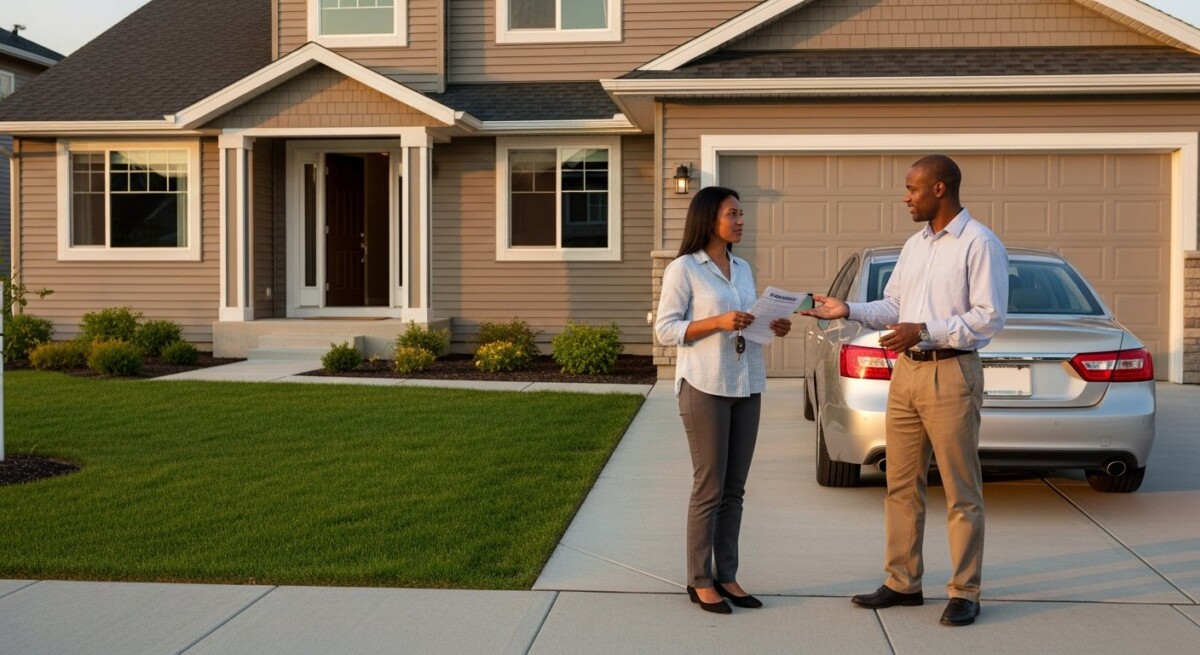
You might think of auto insurance as a separate expense from your renters or homeowners policy, but the two are more connected than you realize. Whether you rent a small apartment or own a suburban house, the way you protect your vehicle can affect your overall financial stability. In fact, combining your car coverage with your property insurance can unlock savings and simplify your life. This guide explains how auto insurance for renters and homeowners works, why bundling matters, and how to choose the right coverage without overpaying.
Why Your Housing Situation Affects Your Car Insurance
Your address is not just a line on your policy. It tells insurers a lot about your risk level. Renters and homeowners often face different insurance premiums because of factors like parking arrangements, neighborhood crime rates, and the likelihood of accidents near your residence. For example, a renter in a dense urban area with street parking may pay more for collision coverage than a homeowner with a private garage in the suburbs.
But the bigger connection is financial. If you cause an accident, your auto insurance pays for the other driver’s damages, but your personal liability may extend beyond the policy limits. That is where your renters or homeowners policy steps in. Most property policies include personal liability coverage, which can help pay for legal fees or medical bills if someone sues you after a car accident. However, standard policies have limits, and you need to understand how they interact with your auto coverage to avoid gaps.
Another reason housing matters: insurance companies reward loyalty. When you hold both your auto policy and your renters or homeowners policy with the same carrier, you often qualify for a multi-policy discount. This can reduce your annual premiums by 5% to 25%, depending on the insurer and your state. That is why many financial experts recommend comparing bundled options before you renew either policy.
Key Differences Between Renters and Homeowners Auto Coverage
While the core of auto insurance is the same for everyone, your housing type can change your coverage needs. Renters typically have fewer assets to protect, so they might choose lower liability limits. Homeowners, on the other hand, have equity in their property and more savings, which makes higher liability limits and umbrella policies more attractive.
Here are three important differences to consider:
- Liability limits: Homeowners usually need higher limits (like 250/500/100) to protect their assets, while renters may be fine with state minimums, though that is often risky.
- Uninsured motorist coverage: If you live in a state with many uninsured drivers, this coverage is critical for both renters and homeowners, but homeowners might add it to their umbrella policy for extra protection.
- Comprehensive claims: If your car is stolen or damaged by hail while parked at your rental complex, your auto comprehensive coverage pays, but your renters policy might cover personal items inside the car. Homeowners have similar rules, but the deductible structure can differ.
Understanding these nuances helps you tailor your auto insurance to your actual risk profile. For instance, a renter who owns an expensive car might still need high liability limits, even though they do not own a home. A homeowner with an older car might drop collision coverage to save money, relying on their emergency fund instead.
How Bundling Auto and Property Insurance Works
Bundling is the practice of buying your auto insurance and your renters or homeowners insurance from the same company. This is one of the easiest ways to lower your total insurance costs, and it also simplifies billing and customer service. Instead of managing two separate policies with different renewal dates and login portals, you get one statement and one agent to call.
In our guide on auto insurance bundling for renters and homeowners, we explain how to maximize these savings. The key is to compare the bundled price against the sum of two separate policies from different insurers. Often, the discount is substantial, but not always. You need to shop around every year or two because rates change.
Bundling also offers convenience when you file a claim. If your car is damaged in a storm that also affects your roof, you can report both claims to the same adjuster, which may speed up the process. However, be aware that some insurers do not extend the multi-policy discount to renters policies, so you must confirm with your agent.
Potential Downsides of Bundling
While bundling is generally beneficial, there are scenarios where it hurts you. Suppose the auto insurer with the best car rates has a poor homeowners division. If you bundle, you might end up with a weak property policy just to save a few dollars on auto. Or, if you have a claim on your renters policy, the insurer might raise your auto premium at renewal, even though the two are unrelated.
To avoid these pitfalls, always request quotes for both bundled and unbundled options. Compare not only the price but also the coverage terms, customer reviews, and financial strength ratings. If you decide to switch after a claim, you can do so at renewal, but you might lose the loyalty discount you had built up.
Strategies to Lower Your Premiums as a Renter or Homeowner
Beyond bundling, there are several proven ways to reduce your auto insurance costs. Here are five strategies that work for both renters and homeowners:
- Raise your deductibles: Increasing your collision and comprehensive deductibles from $500 to $1,000 can lower your premium by 10% to 20%. Just be sure you have that amount in savings.
- Ask about discounts: Many insurers offer discounts for safe driving, low mileage, anti-theft devices, and even being a non-smoker. Mention every discount you qualify for.
- Pay annually instead of monthly: If you can afford a lump sum, you avoid installment fees and sometimes get a small discount.
- Improve your credit score: In most states, insurers use credit-based insurance scores. Paying down debt and correcting errors on your credit report can lower your rates.
- Review your coverage every year: Your car’s value drops over time, so you might not need collision coverage on an older vehicle. Drop it if the premium exceeds 10% of the car’s value.
Implementing even two of these strategies can save you hundreds of dollars annually. For example, raising your deductibles and bundling could reduce your combined auto and property premium by 30% or more. That is real money that can go toward your retirement savings or a vacation.
How to Choose the Right Coverage Limits
Selecting the right coverage limits is a balance between legal requirements, asset protection, and affordability. State minimums are rarely enough. If you cause a serious accident, medical bills can easily exceed $100,000, and you will be personally responsible for the difference. That is why experts recommend at least 100/300/50 coverage (100,000 per person, 300,000 per accident for bodily injury, and 50,000 for property damage).
For homeowners, higher limits are even more critical because you have equity in your house and possibly other assets like investments. An umbrella policy can provide an extra $1 million in liability protection for both auto and home, and it is surprisingly affordable, often around $150 to $300 per year for the first million dollars. Renters should also consider an umbrella policy if they have significant savings or future earning potential.
When you compare quotes, pay attention to the deductibles and the exclusions in each policy. A cheap policy might have a low limit for medical payments or no rental car reimbursement. Our auto insurance for renters and homeowners: a bundling guide provides a step-by-step comparison process you can use to evaluate offers.
Special Considerations for Renters
Renters face unique challenges when it comes to auto insurance. If you move frequently, you need to update your address with your insurer to avoid a rate increase or a claim denial. Also, if you share a car with roommates, you must list all regular drivers on the policy, or the insurer might deny a claim.
Another issue is parking. If you park on the street, you have a higher risk of vandalism or theft, so comprehensive coverage is more valuable. If your apartment complex has a garage, you might get a small discount on comprehensive, but you still need to protect against fire or flood damage.
Renters insurance itself is cheap, often less than $15 per month. When you bundle it with your auto policy, you can save on both. But do not let the low cost fool you. Read the policy to see what it covers for your personal belongings, liability, and additional living expenses if your apartment becomes uninhabitable.
Special Considerations for Homeowners
Homeowners have more at stake, so their auto insurance strategy should be more robust. Your home’s value and your savings are targets in a lawsuit, so you need liability limits that exceed your net worth. Consider a personal umbrella policy that extends above your auto and home liability limits, as we mentioned earlier.
Homeowners also have to think about multi-vehicle households. If you have two or more cars, you might qualify for a multi-car discount, which can be combined with your home bundle. Additionally, if you have a home office or operate a business from your residence, your auto policy might not cover business use. You might need a commercial auto policy or at least a ride-share endorsement if you drive for Uber or Lyft.
Finally, your home’s location affects your auto risk. If you live in a rural area with long commutes, your mileage and accident risk are higher. If you live near a school, you might face higher premiums due to increased traffic. Always mention your exact address when getting quotes, because insurers use geographic data to price policies.
Frequently Asked Questions
Can I bundle auto and renters insurance if I do not own a car?
Yes, you can bundle a renters policy with a non-owner auto insurance policy if you occasionally drive borrowed cars. Non-owner policies provide liability coverage when you drive a friend’s car, and bundling can save you money on both.
Does bundling auto and homeowners insurance always save money?
Not always, but in most cases, the multi-policy discount makes the bundle cheaper than buying separately. You must compare quotes from multiple insurers to confirm. Sometimes, a standalone auto policy from a low-cost insurer is cheaper than a bundled rate from a full-service carrier.
What happens if I move from a rental to a new home?
You must notify your insurer immediately. Your auto premium may change based on your new address, and you will need to replace your renters policy with a homeowners policy. This is a great time to re-shop for a bundle, as your coverage needs have changed.
Can I get a discount for having a security system in my home?
Yes, many insurers offer a discount on your homeowners policy for having a monitored alarm, deadbolts, or smart home devices. This discount does not usually apply to auto insurance, but it reduces your property premium, which helps when you bundle.
Making the Final Decision
Choosing the right auto insurance for renters and homeowners is not a one-time task. Your life changes, your car ages, and insurance rates fluctuate. The best approach is to review your policies at least once a year, especially around renewal time. Get quotes from at least three different insurers, and compare the total cost of a bundle versus separate policies.
Remember that the cheapest option is not always the best. A policy with rock-bottom premiums might have low liability limits or poor customer service. Look for a balance of price, coverage, and financial stability. Our auto insurance for renters and homeowners: bundling guide can help you compare side by side.
If you already have a bundle, check if you are getting all the discounts you deserve. Sometimes, a simple phone call to your agent can lower your premium by adding a defensive driving course or a telematics device. Also, consider increasing your liability limits if your income or assets have grown. That small extra cost is worth the peace of mind.
Finally, do not ignore the value of a trusted agent. An independent agent can quote you from multiple carriers and explain the nuances of each policy. They can also help you file a claim and advocate for you. If you prefer to buy online, use a comparison site like NewAutoInsurance.com to get quotes from vetted carriers.
Now that you understand how auto insurance for renters and homeowners works, you can make an informed decision. Start by gathering your current declarations pages and your housing details, then request quotes. Compare the bundled and unbundled prices, and read the fine print about exclusions and deductibles. With a little effort, you can secure the coverage you need without overpaying.