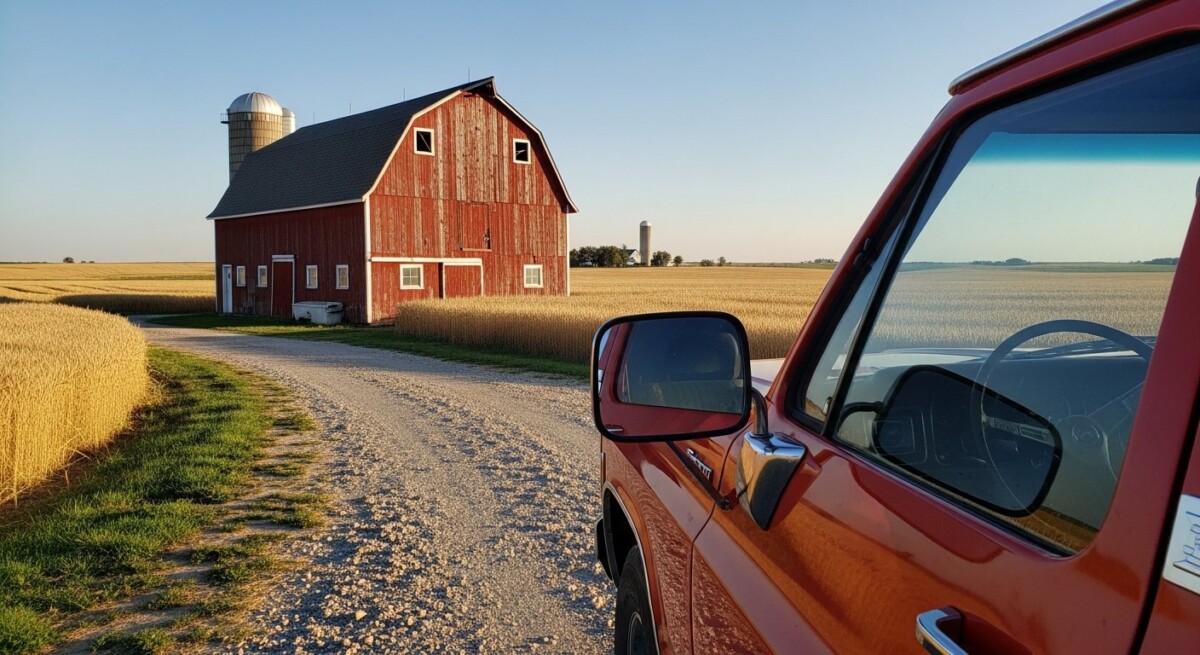
Living in a rural area often means wide open roads, fewer traffic jams, and a slower pace of life. But when it comes to auto insurance, many rural drivers assume they will pay higher rates because of longer commutes or limited access to repair shops. The truth is that rural drivers often have a significant advantage. Insurance companies calculate risk based on many factors, and rural zip codes frequently come with lower premiums for collision and comprehensive coverage. Yet not all rural drivers take full advantage of the savings available. This article explains how to find low-cost insurance for cars in rural areas, what discounts to look for, and how to avoid common pitfalls that increase your rate.
Why Rural Drivers Often Pay Less for Car Insurance
Insurance premiums are determined by statistical risk. Rural areas generally have lower population density, which translates to fewer vehicles on the road and a lower probability of accidents. The National Association of Insurance Commissioners reports that average premiums in non-metropolitan counties can be 10 to 20 percent lower than in urban centers. Fewer cars mean fewer collisions, less traffic congestion, and reduced chances of theft or vandalism. These factors directly lower your base premium for liability and physical damage coverage.
Additionally, rural roads often have lower speed limits in residential sections, and many rural drivers park their vehicles in garages or driveways rather than on busy streets. Insurers also consider the frequency of claims in a given area. Rural regions typically have fewer claims for uninsured motorist incidents and lower medical payment costs. This favorable claims history allows companies to offer competitive rates. However, rural drivers must still shop around because not every insurer weights these factors the same way.
Key Factors That Influence Your Rural Insurance Rate
Even within rural areas, rates vary widely. Your specific zip code matters. A driver in a remote agricultural county may pay less than someone in a rural town near a major highway. Insurance companies use territory rating, which assigns risk levels to geographic areas. If your rural area has a higher incidence of deer collisions or hailstorms, your comprehensive premium might be higher. Understanding these factors helps you target the right discounts.
Driving Habits and Annual Mileage
Rural drivers often log more miles than urban drivers because essential services like grocery stores, schools, and medical facilities are farther away. Higher annual mileage increases exposure to risk, which can raise premiums. To keep costs down, consider a usage-based insurance program. Many insurers offer telematics devices or smartphone apps that track your driving. If you drive fewer miles than average or drive during safer daytime hours, you may qualify for a low-mileage discount. Some companies reduce rates by up to 15 percent for low-mileage drivers.
Vehicle Type and Safety Features
The kind of car you drive also affects your rate. Pickup trucks and SUVs are common in rural areas. While these vehicles may cost more to repair, they often have higher safety ratings and lower injury claims. Insurers may offer discounts for vehicles with anti-lock brakes, electronic stability control, and advanced driver assistance systems. When shopping for a new vehicle, check the insurance cost beforehand. A car with a high theft rate or expensive replacement parts will cost more to insure, even in a rural area.
Credit Score and Insurance Score
In most states, insurers use credit-based insurance scores to set premiums. Rural drivers with good credit often see lower rates. Paying bills on time, keeping credit card balances low, and avoiding excessive credit inquiries can improve your score. A difference of just 50 points in your insurance score can change your premium by hundreds of dollars per year. If your credit is less than perfect, ask your agent about companies that place less weight on credit history.
Discounts That Deliver Real Savings for Rural Drivers
Insurance companies offer many discounts, but rural drivers may overlook some that are especially relevant. Here are discounts worth asking about:
- Multi-Policy Discount: Bundling your auto insurance with homeowners, renters, or farm insurance can save 10 to 25 percent. If you own a farm or rural property, this discount is often significant.
- Low-Mileage Discount: As mentioned, driving fewer than 7,500 miles per year can qualify you for a discount. Some insurers also offer a discount for driving a vehicle that is not used for commuting.
- Safe Driver Discount: Maintaining a clean driving record for three to five years can reduce your premium by 20 percent or more. Rural roads with less traffic make it easier to avoid accidents.
- Vehicle Safety Discount: Features like daytime running lights, anti-theft devices, and passive restraint systems can lower your comprehensive and collision premiums.
- Pay-in-Full Discount: Paying your annual premium in one lump sum instead of monthly installments often saves 5 to 10 percent. This is a simple way to reduce costs without changing coverage.
Ask your agent to review your policy for these discounts. Many drivers leave money on the table simply because they never asked. A quick phone call can reveal savings that lower your annual premium by hundreds of dollars.
Coverage Minimums and Optional Protections
Every state requires a minimum amount of liability insurance, but rural drivers may face unique risks that make additional coverage worthwhile. For example, hitting a deer or livestock is more common on rural roads. Comprehensive coverage pays for animal collisions, which can cause thousands of dollars in damage. Without it, you pay out of pocket. Similarly, uninsured motorist coverage is important because rural areas may have higher rates of uninsured drivers, especially in agricultural communities.
If you have an older vehicle with a low market value, you might consider dropping collision and comprehensive coverage to save money. However, calculate the cost of replacing your car versus the premium savings. A rule of thumb is to drop physical damage coverage when the annual premium exceeds 10 percent of the vehicle’s value. For a car worth $5,000, paying $600 a year for collision and comprehensive may not be economical. For a newer car, keeping the coverage is usually wise.
For more guidance on choosing the right liability limits, read our guide on Liability Insurance for Cars: Choosing the Right Coverage. This resource explains how to balance state minimums with adequate protection for your assets.
How to Compare Quotes for the Best Rate
Finding low-cost insurance for cars in rural areas requires comparison shopping. Rates can vary by 40 percent or more between companies for the exact same coverage. Use independent agents who can quote multiple carriers. Online comparison tools also help, but be sure to enter the same coverage limits and deductibles for an apples-to-apples comparison. A difference in deductible of just $250 can change your premium significantly.
When comparing quotes, pay attention to the company’s financial strength and customer service reputation. A low premium is not helpful if the insurer delays claims or denies coverage unfairly. Check ratings from A.M. Best, J.D. Power, and the National Association of Insurance Commissioners. Rural drivers may also benefit from working with a local agent who understands regional risks like hail, flooding, or wildfire. That agent can tailor a policy that covers your specific exposures without unnecessary extras.
Common Mistakes That Raise Rural Insurance Costs
Even savvy drivers make errors that increase their premiums. One common mistake is assuming that the lowest price is always the best. A bare-bones policy with minimum liability limits may leave you financially vulnerable. If you cause a serious accident, the other party could sue you for damages exceeding your policy limits. Better to choose adequate liability coverage and raise your deductible to save money.
Another mistake is failing to update your insurer about changes in your driving habits. If you start working from home or retire, your annual mileage drops. Notifying your insurer can trigger a low-mileage discount. Similarly, if you move to a different rural area, report the address change immediately. Some rural zip codes have lower rates than others.
Finally, avoid letting your policy lapse. A gap in coverage, even for a few days, can cause your premium to spike when you reinstate. Insurers view lapses as a sign of higher risk. Set up automatic payments or calendar reminders to ensure continuous coverage.
When to Consider Usage-Based Insurance
Usage-based insurance (UBI) programs, often called pay-per-mile or telematics, can be a smart choice for rural drivers who do not drive often. These programs base your premium on actual miles driven and your driving behavior. If you drive fewer than 10,000 miles per year, UBI can save you 10 to 30 percent. Some programs also reward smooth braking, steady speeds, and safe cornering. Rural roads with less traffic make it easier to maintain good driving habits, which could lower your rate further.
Before enrolling, check the program’s privacy policy. Some insurers share driving data with third parties. If privacy is a concern, ask how the data is used and stored. Alternatively, look for programs that only track mileage, not specific driving behaviors. Many major insurers now offer a simple odometer photo submission option.
How to Reduce Premiums Without Cutting Coverage
If you want to lower your premium without reducing protection, consider raising your deductible. Increasing your collision deductible from $500 to $1,000 can reduce your premium by 15 to 30 percent. Just make sure you have enough savings to cover the higher deductible in case of an accident. Also, review your policy for duplicate coverage. For example, if you have roadside assistance through a membership club like AAA, you may not need it on your auto policy. Removing redundant add-ons can save $30 to $50 per year.
Another strategy is to ask about group discounts. Some insurers offer reduced rates for members of certain organizations, alumni associations, or professional groups. Even rural electric cooperatives sometimes have negotiated rates for members. Check with your employer, farm bureau, or credit union to see if they have a partnership with an insurer. These group discounts are often overlooked but can yield substantial savings.
For a deeper dive into how deductibles affect your bottom line, see our article on Auto Insurance Deductibles: How to Choose the Right Amount. That guide explains the trade-offs between higher deductibles and premium savings.
Frequently Asked Questions
Is car insurance cheaper in rural areas?
Generally, yes. Rural areas have fewer accidents, less traffic, and lower rates of theft and vandalism. However, individual rates depend on your driving record, credit score, vehicle type, and the specific insurer. Comparing quotes from multiple companies is the best way to confirm savings.
What is the cheapest car insurance for rural drivers?
The cheapest insurer varies by state and individual profile. Companies like State Farm, GEICO, Progressive, and USAA (for military families) often have competitive rates for rural drivers. Local mutual insurance companies may also offer lower premiums because they specialize in rural risks. Always compare at least three quotes.
Do rural drivers need full coverage?
Not necessarily. If your car is older and has a low market value, you may save money by dropping collision and comprehensive coverage. However, if you cannot afford to replace your vehicle out of pocket, full coverage provides financial protection. Consider your car’s value and your emergency fund before deciding.
How can I lower my car insurance in a rural area?
You can lower your premium by bundling policies, raising your deductible, maintaining a clean driving record, and asking about discounts for low mileage, safety features, and paying in full. Also, shop around every year because rates change.
Does living on a farm affect car insurance rates?
Living on a farm may qualify you for a multi-policy discount if you insure farm equipment or structures with the same company. Some insurers also offer a farm vehicle discount for vehicles used primarily for agricultural work. Be sure to disclose the vehicle’s primary use to ensure proper coverage.
For more tips on reducing your premium, read our guide on Auto Insurance Discounts: The Complete List of Ways to Save. It covers over 20 discounts that can apply to rural drivers.
Finding low-cost insurance for cars in rural areas is about understanding your unique risk profile and shopping smart. Rural drivers benefit from lower base rates, but they still need to actively pursue discounts, choose appropriate coverage limits, and review their policy annually. By applying the strategies in this article, you can secure affordable protection that fits your rural lifestyle. If you need personalized assistance, contact our team at 833-214-7506 for a free comparison of quotes from top insurers.