Finding affordable insurance is hard enough. Finding full coverage for a car branded with a salvage title can feel impossible. Many drivers assume that once a vehicle is declared a total loss, it can never again be protected by comprehensive and collision insurance. That assumption is only half right. The truth is more nuanced, and with the right steps, you can secure robust protection for a rebuilt salvage vehicle. This article walks you through the requirements, the insurance company policies, and the practical steps to get the coverage you need.
What a Salvage Title Means for Your Insurance Options
A salvage title is a legal designation. It is issued by a state motor vehicle department when an insurance company declares a vehicle a total loss. This usually happens after an accident, flood, fire, or theft where the cost of repairs exceeds a certain percentage of the vehicle’s pre-damage value. The percentage varies by state but is typically between 60 and 80 percent of the actual cash value.
Once a salvage title is issued, most standard insurance carriers will not offer full coverage for vehicles with a salvage title. They may offer liability-only policies. The reasoning is straightforward: insurers cannot easily determine the safety or roadworthiness of a vehicle that was previously totaled. Without that confidence, they are unwilling to risk paying for future damage. However, if you rebuild the vehicle and pass a state inspection, you can apply for a “rebuilt” or “revived” title. That is the moment when full coverage becomes a real possibility.
Full Coverage Defined in the Context of a Salvage Title
Full coverage is not a legal or technical term. In the insurance world, it generally means a policy that includes liability, collision, and comprehensive coverage. Liability covers damage you cause to others. Collision covers damage to your car from an accident. Comprehensive covers non-collision events like theft, vandalism, hail, or animal strikes.
When you seek full coverage for vehicles with a salvage title, you are asking an insurer to provide collision and comprehensive protection on a car they previously considered a total loss. That is a hard sell for many companies. They see a higher risk of mechanical failure or hidden damage. They also face a challenge in valuing the car. A rebuilt salvage vehicle often has a lower market value than a clean-title equivalent, making it harder to set premiums and payout limits. Some insurers simply refuse to write any policy beyond liability for these cars. Others will offer full coverage but with strict conditions.
Key Requirements Before You Can Get Full Coverage
Before you shop for a policy, you must meet a few non-negotiable requirements. These steps prove to the insurer that your vehicle is safe and insurable.
- Complete the rebuild process. You must repair the vehicle using new or used parts that restore it to pre-damage condition. Keep all receipts and photographs of the work.
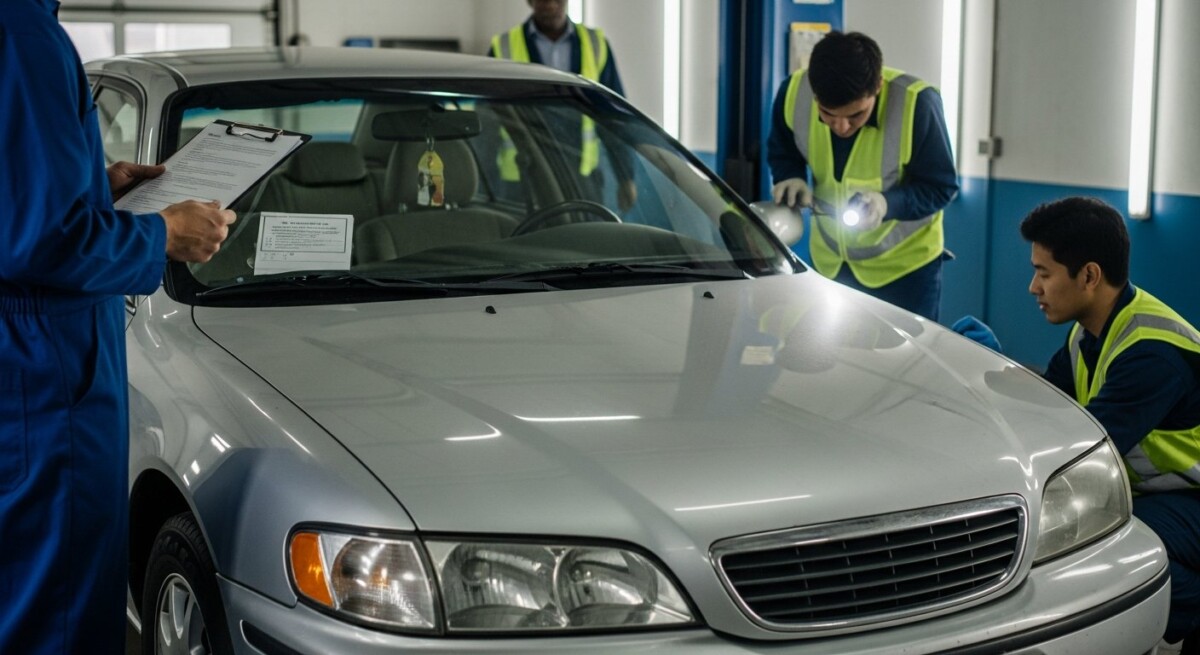
- Pass a state inspection. Most states require a thorough inspection by a licensed facility or law enforcement to verify that the vehicle is safe to drive. This inspection checks brakes, lights, steering, frame integrity, and the presence of all required safety equipment.
- Obtain a rebuilt title. After passing inspection, you apply to your state DMV for a rebuilt or revived title. This is the document you will show insurers as proof that the car is roadworthy.
- Get an independent appraisal. Some insurers require a professional appraisal to establish the vehicle’s actual cash value. This helps them set a premium and determine the maximum payout for a future claim.
Once you have these documents, you can approach insurers with confidence. Without them, most companies will reject your application for full coverage outright. For a detailed walkthrough of the entire process, review our guide on how to insure a salvage title vehicle.
Which Insurers Offer Full Coverage for Rebuilt Titles
Not all insurance companies are created equal when it comes to rebuilt titles. The large national carriers such as State Farm, Geico, and Progressive have varying policies. Some will offer full coverage on a case-by-case basis. Others have strict rules that require the vehicle to be at least a certain age or to have been repaired by a certified shop. Regional insurers and specialty companies are often more flexible. They may specialize in non-standard auto insurance and are accustomed to assessing risk on unique vehicles.
When you call an insurer, be prepared to answer specific questions. They will want to know the reason for the original salvage designation. A vehicle totaled due to a minor collision is viewed more favorably than one flooded or stolen. They will also ask about the repair quality, the source of parts, and the mileage before and after the damage. Having your rebuilt title, inspection certificate, and appraisal ready will speed up the process. If you need a broader overview of carriers that accept these vehicles, read our resource on how to get insurance for salvaged title vehicles.
Cost Implications: Premiums on a Salvage Title Vehicle
Expect to pay more for full coverage on a rebuilt salvage vehicle compared to a clean-title car. The premium increase can range from 10 to 30 percent, depending on the insurer and the vehicle’s history. There are several reasons for this. First, the lack of a complete maintenance history makes insurers nervous. Second, the actual cash value of the car is lower, but the risk of a mechanical breakdown leading to an accident is perceived as higher. Third, some insurers charge a flat “salvage fee” or surcharge on top of the standard rate.
Your driving record, location, and the type of vehicle also affect the price. A rebuilt luxury car or a high-performance vehicle will cost more to insure than a rebuilt economy sedan. You can reduce the premium by raising your deductible, bundling the policy with homeowners or renters insurance, or taking a defensive driving course. It is also worth shopping around. Get quotes from at least three different carriers, including at least one regional or specialty insurer. Compare not just the price but also the coverage limits and exclusions. Some policies for rebuilt titles limit the payout on comprehensive claims or exclude certain types of damage like flood recurrence.
Coverage Limitations You Should Know
Even when you secure full coverage for vehicles with a salvage title, you may face limitations that do not apply to clean-title cars. Many insurers cap the payout at a percentage of the vehicle’s appraised value, such as 70 or 80 percent. This means if your car is totaled again, you will not receive the full replacement cost. You may also find that the insurer excludes coverage for certain mechanical failures that are common in rebuilt vehicles.
Another limitation involves rental car reimbursement and roadside assistance. Some companies refuse to add these coverages to a policy for a rebuilt title. If you rely on your car for daily commuting, this is a significant gap. You can sometimes purchase these add-ons separately from a third-party provider. Check the policy language carefully before signing. If something is unclear, ask the agent to explain exactly what is covered and what is excluded. If you are unsure whether a standard full coverage policy meets your needs, consult our guide on how to choose the best full coverage auto insurance.
Steps to Get Full Coverage After a Salvage Title
Follow this step-by-step process to maximize your chances of approval and get the best rate.
- Complete the rebuild and obtain a rebuilt title. Do not skip any required inspections. A clean rebuilt title is your best tool.
- Get an independent vehicle appraisal. This gives you a realistic value to present to insurers. Use a certified auto appraiser with experience in rebuilt vehicles.
- Gather documentation. Collect the rebuilt title, appraisal, inspection certificate, repair receipts, and photos of the rebuild process.
- Shop for quotes. Contact at least three insurers. Start with national carriers, then move to regional and specialty companies. Explain upfront that the vehicle has a rebuilt title.
- Compare coverage terms. Do not focus only on the premium. Look at the payout limits, exclusions, and available add-ons.
- Buy the policy and keep records. Once you choose a carrier, keep all policy documents and proof of coverage in a safe place. If you ever need to file a claim, you will need them.
This process can take several weeks, especially if you need to find an insurer that offers full coverage. Patience pays off. The alternative is to drive with only liability insurance, which leaves you financially exposed if your rebuilt vehicle is damaged again. For a broader perspective on why comprehensive protection matters, see our article on the benefits of full coverage auto insurance.
Frequently Asked Questions
Can I get full coverage while the vehicle still has a salvage title?
No. Most insurers will not offer collision or comprehensive coverage on a vehicle with an active salvage title. You must first rebuild the car and obtain a rebuilt or revived title.
Does a rebuilt title void my insurance policy?
Not automatically. However, if you fail to disclose the vehicle’s title status when applying, the insurer may deny a claim or cancel your policy. Always be honest about the title type.
Will my premium go down after a few years with a rebuilt title?
Possibly. As the vehicle ages and you build a claim-free history with the same insurer, the surcharge may decrease. You can also request a re-evaluation of the vehicle’s value after a few years.
Are there any states where full coverage is required for rebuilt titles?
No state requires collision or comprehensive coverage by law. However, if you have a loan on the rebuilt vehicle, your lender will likely mandate full coverage. Most rebuilt vehicles are purchased with cash, so this is less common.
What if my insurer refuses to offer full coverage after a rebuild?
You have options. You can appeal the decision, switch to a different insurer, or work with a specialty broker who focuses on high-risk auto policies. Do not accept liability-only coverage if you want full protection.
Getting full coverage for vehicles with a salvage title is not impossible. It requires preparation, documentation, and persistence. Once you have a rebuilt title and a solid appraisal, you can find an insurer willing to protect your investment. The key is to approach the process methodically and to compare multiple options before making a decision.